
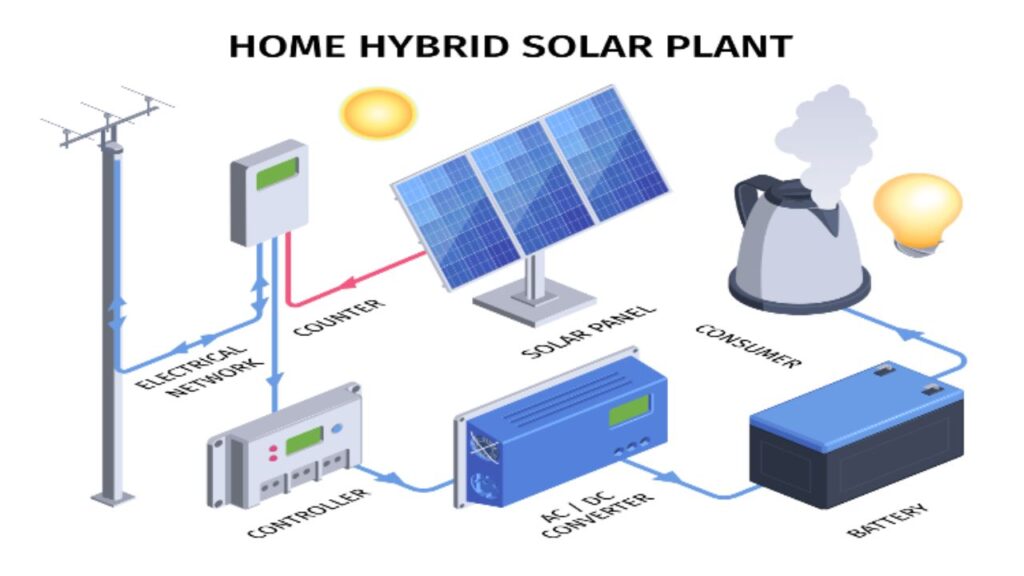
As the world grapples with energy crises, choosing to install a solar panel system can be a wise decision. Not only can it provide energy for your home, but it also allows you to sell excess energy back to the electricity company. In this article, we’ll explore how to connect your solar panel system to the grid and make the most of your investment.
The Benefits of Connecting Your Solar Panel System to the Grid
By connecting your solar panel system to the grid, you can:
- Sell excess energy back to the electricity company: This is one of the most significant benefits of connecting your solar panel system to the grid. You’ll be able to sell any excess energy you produce during the day and use it at night or during periods of high demand.
- Ensure a stable energy supply for your home: With a connected solar panel system, you can rely on a stable energy source that’s not dependent on the grid. This means you won’t have to worry about power outages or fluctuations in the grid.
- Take advantage of government incentives and tax credits: Many governments offer incentives and tax credits to homeowners who install solar panel systems connected to the grid. These can be significant savings that can help offset the cost of your system.
However, before we dive into the nitty-gritty, let’s explore some essential factors to consider.
Important Considerations Before Connecting Your Solar Panel System
When deciding whether to connect your solar panel system to the grid, keep in mind:
- Tariffs: Compare the tariffs offered by different electricity companies for selling excess energy. Some companies may offer higher rates than others, so it’s essential to shop around and find the best deal.
- Contract duration: Understand the contract duration and potential rate adjustments. Some contracts may have a fixed rate that will last for a certain number of years, while others may be subject to rate changes over time.
- Energy demand: Assess your energy demands to determine if you’ll need to buy back energy from the grid. If you have high energy demands during peak periods, you may find it difficult to sell excess energy back to the grid and will need to purchase additional energy.
The Connection Process
To connect your solar panel system to the grid, follow these steps:
- Install two meters:
- One meter measures the energy in and out of your system.
- Ensure that both meters are installed correctly and meet local regulations.
- Meet with the electricity company: Schedule a meeting with the electricity company to discuss your solar panel system’s capacity and potential revenue streams.
- Choose an installation method:
- You can either install the meters yourself or hire a certified installer.
- Ensure that the meters are installed correctly and meet local regulations.
The Role of Smart Grid Technology
As you connect your solar panel system to the grid, consider investing in smart grid technology. This cutting-edge technology enables:
- Real-time monitoring: Track your energy production and consumption in real-time. Smart grid technology allows you to monitor your energy usage and make adjustments as needed.
- Predictive analytics: Anticipate energy demand and optimize your solar panel system’s performance. With predictive analytics, you can anticipate energy demand and adjust your system’s output accordingly.
- Energy storage integration: Integrate energy storage systems with your solar panel system to store excess energy for later use.
Best Practices for Installation
When installing your solar panel system, keep these best practices in mind:
- Use high-quality equipment: Invest in reliable and efficient equipment to ensure optimal performance. High-quality equipment will help you generate more energy and reduce maintenance costs.
- Meet local regulations: Familiarize yourself with local regulations and obtain necessary permits. Ensure that your solar panel system is installed in compliance with all local regulations.
- Regular maintenance: Schedule regular maintenance to ensure the longevity of your solar panel system. Regular maintenance can help prevent downtime, reduce energy losses, and extend the lifespan of your system.
Preparing for Connection
Before connecting your solar panel system to the grid, it’s essential to prepare:
- Secure necessary permits: Obtain all necessary permits and approvals from local authorities before installing your solar panel system.
- Inspect equipment: Inspect all equipment carefully before installation to ensure that everything is in good working order.
- Test systems thoroughly: Test your solar panel system thoroughly before connecting it to the grid to ensure optimal performance.
Conclusion
Connecting your solar panel system to the grid is a great way to monetize excess energy and stabilize your energy supply. By considering factors like tariffs, contract duration, and smart grid technology, you can make an informed decision about connecting your solar panel system to the grid. Whether you’re looking to save money on your energy bills or generate revenue from excess energy, connecting your solar panel system to the grid is a great way to achieve your goals.
Additional Tips for Connecting Your Solar Panel System
In addition to the tips outlined above, here are some additional considerations:
- Battery storage integration: Consider integrating battery storage systems with your solar panel system. This can help you store excess energy for later use and reduce your reliance on the grid.
- Net metering regulations: Familiarize yourself with net metering regulations in your area. These regulations will dictate how much energy you can sell back to the grid and what rates you’ll be paid.
- Grid connection fees: Be aware of any grid connection fees that may apply. These fees can add up quickly, so it’s essential to factor them into your overall costs.
By following these guidelines, you can successfully connect your solar panel system to the grid and start generating revenue from excess energy.
Common Questions About Connecting Your Solar Panel System
Here are some common questions about connecting your solar panel system:
- What is net metering?: Net metering is a regulatory framework that allows homeowners to sell excess energy back to the grid. In exchange, they receive credits on their energy bills.
- How do I determine my solar panel system’s capacity?: To determine your solar panel system’s capacity, you’ll need to assess your energy demands and calculate how much energy you can produce with your system.
- Can I sell excess energy back to the grid at night?: While it’s generally possible to sell excess energy back to the grid during the day, there may be restrictions on selling energy back at night. Be sure to check with your electricity company for specific rules and regulations.
By understanding these common questions, you can make an informed decision about connecting your solar panel system to the grid.
Real-Life Examples of Connecting Solar Panel Systems
Here are some real-life examples of connecting solar panel systems:
- Solar Panel System in San Francisco: A homeowner in San Francisco installed a 10 kW solar panel system connected to the grid. They were able to sell excess energy back to their electricity company and offset their energy bills.
- Solar Panel System in Los Angeles: A business owner in Los Angeles installed a 20 kW solar panel system connected to the grid. They used the excess energy generated by their system to power their operations and reduce their reliance on the grid.
By studying these real-life examples, you can gain insight into how connecting your solar panel system to the grid can benefit you.
Conclusion
Connecting your solar panel system to the grid is a great way to monetize excess energy and stabilize your energy supply. By considering factors like tariffs, contract duration, and smart grid technology, you can make an informed decision about connecting your solar panel system to the grid. Whether you’re looking to save money on your energy bills or generate revenue from excess energy, connecting your solar panel system to the grid is a great way to achieve your goals.
Additional Resources
Here are some additional resources that may be helpful as you connect your solar panel system to the grid:
- Solar Panel System Installation Guide: A comprehensive guide to installing solar panel systems connected to the grid.
- Smart Grid Technology Whitepaper: A whitepaper on smart grid technology and its applications in connecting solar panel systems to the grid.
- Net Metering Regulations Guide: A guide to net metering regulations and how they apply to connecting solar panel systems to the grid.
By taking advantage of these additional resources, you can gain a deeper understanding of how to connect your solar panel system to the grid and make the most of your investment.


