
Plant leaves turning yellow can be a common issue for gardeners, but it’s often not just a simple matter of aesthetics. In this article, we’ll explore the reasons behind leaf yellowness and how to address these problems with care.
What Causes Leaf Yellowness?
Leaf yellowness is usually caused by nutrient deficiencies or excessive water. Other factors can also contribute to yellowing leaves, such as exposure to too much sunlight, temperature fluctuations, or pests and diseases. In this article, we’ll focus on the most common causes of leaf yellowness and provide guidance on how to resolve these issues.
Why Do Leaves Turn Yellow During Autumn?
As autumn sets in, plant leaves begin to change color due to a reduction in daylight hours and cooler temperatures. This natural process is triggered by the decrease in chlorophyll production, which allows other pigments like carotenoids and anthocyanins to become visible. These pigments give leaves their characteristic yellow, orange, or red colors.
What Nutrients Cause Leaf Yellowness?
Several nutrients can cause leaf yellowness, including:
- Ferrous Deficiency: Low levels of iron can lead to chlorosis, characterized by yellowing leaves.
- Nitrogen Deficiency: Lack of nitrogen can result in stunted growth and yellowing leaves.
- Manganese Deficiency: Insufficient manganese can cause leaf yellowness, especially on the edges.
Other Causes of Leaf Yellowness
In addition to nutrient deficiencies, other factors can contribute to yellowing leaves:
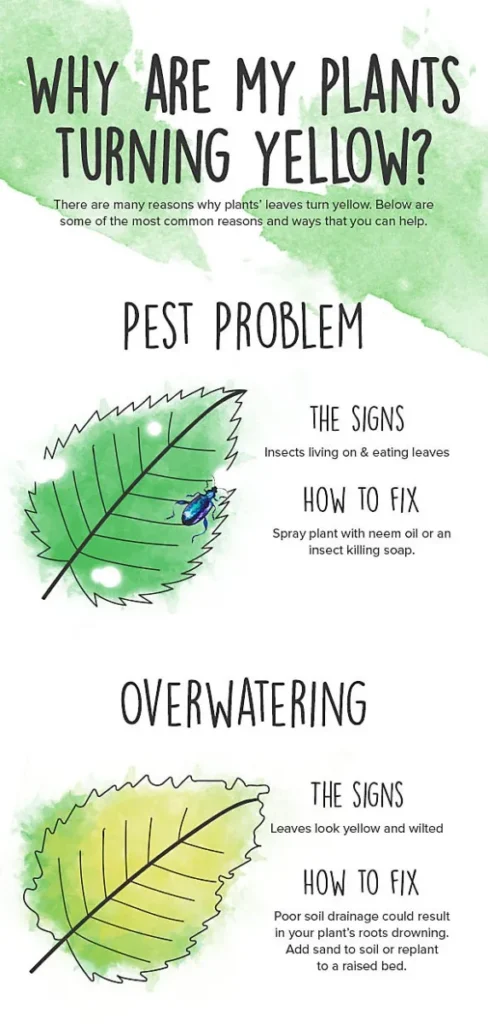
- Overwatering: Too much water can cause roots to rot, leading to yellowing leaves.
- Pests and Diseases: Infestations or infections can damage leaves and cause yellowness.
- Temperature Fluctuations: Sudden changes in temperature can stress plants, resulting in yellowing leaves.
What Can You Do About Leaf Yellowness?
To address leaf yellowness, consider the following steps:
- Inspect Your Plants: Check for signs of pests or diseases and treat accordingly.
- Adjust Your Watering Schedule: Ensure you’re not overwatering your plants.
- Fertilize Wisely: Provide your plants with balanced nutrients to address deficiencies.
- Prune Affected Leaves: Remove yellow leaves to promote healthy growth.
Common Pests that Cause Leaf Yellowness
Some common pests can cause leaf yellowness, including:
- Aphids: These small insects feed on plant sap, causing nutrient deficiencies and yellowing leaves.
- Whiteflies: Whiteflies can transmit diseases and cause damage to leaves, leading to yellowing.
Common Diseases that Cause Leaf Yellowness
Some common diseases can cause leaf yellowness, including:
- Powdery Mildew: This fungal disease causes white powdery patches on leaves, which can lead to yellowing.
- Leaf Spot: Fungal infections like leaf spot can cause small spots on leaves, leading to yellowing.
How to Prevent Leaf Yellowness
Preventing leaf yellowness requires attention to your plants’ needs. Here are some tips:
- Provide Balanced Nutrition: Ensure you’re providing your plants with balanced nutrients to prevent deficiencies.
- Maintain Proper Watering Schedule: Avoid overwatering and ensure the soil is moist but not waterlogged.
- Monitor Temperature Fluctuations: Keep an eye on temperature fluctuations and provide shade if necessary.
Conclusion
Leaf yellowness can be a concerning issue for gardeners, but by understanding the underlying causes and taking corrective action, you can help your plants thrive. Remember to inspect your plants regularly, adjust your watering schedule, fertilize wisely, prune affected leaves, monitor pests and diseases, and provide balanced nutrition to maintain a healthy and vibrant garden.
By following these tips and being aware of common causes of leaf yellowness, you can keep your plants looking their best and prevent damage from yellowing leaves.


