
Introduction
When it comes to dogs, we often think of popular breeds like Labradors or Golden Retrievers. However, there’s another canine companion that’s just as lovable and unique – the Bobtail. Originating from England, not Japan, this breed has a rich history, distinctive features, and a personality that will capture your heart.
The Origins of the Bobtail
To understand where the Bobtail comes from, let’s dive into its ancestry. This breed is believed to have originated in the county of Devon, with some bloodlines coming from the Scottish Highlands. The majority of experts agree that the Bobtail was bred as a working dog, responsible for herding and guarding livestock. Despite its name, there’s no direct connection to the Japanese Bobtail cat.
Physical Characteristics
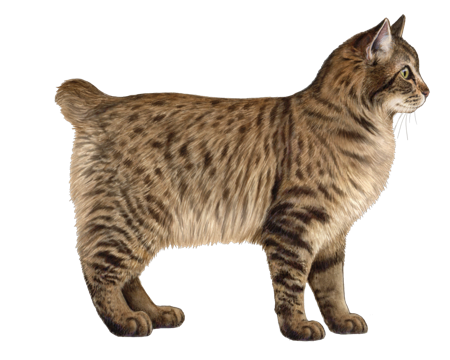
One of the most striking features of the Bobtail is its unique head shape and abundance of fur. Its short tail, hence the name “Bobtail,” adds to its rugged charm. Adults typically weigh between 30-40 kg (66-88 lbs) and stand around 60 cm (24 in) tall at the shoulder. Males are slightly larger than females, but both have a compact, muscular build.
Size and Build
The Bobtail’s body is well-proportioned, with a broad chest and deep torso. Its head is equally impressive, featuring a rounded cranium and a strong jawline. The nose is large and black, often covered in a thick coat of fur. Ears are small and flat, often hidden beneath the fur. Despite its muscular build, the Bobtail’s paws are relatively short, adding to its compact appearance.
Grooming and Coat
The Bobtail’s most distinctive feature is undoubtedly its double coat. The outer layer is long and flowing, while the undercoat is soft and dense. This unique combination of coats requires regular grooming to prevent matting and tangling. Regular brushing will help keep the fur in check, ensuring your Bobtail remains clean and healthy.
Temperament
Bobtails are known for their intelligence, sensitivity, and affectionate nature. They make excellent family pets, especially for those with larger gardens, as they require regular exercise to stay happy and healthy. However, this breed is not suitable for all families, as it can be wary of strangers and may become protective if necessary.
Training and Socialization
Bobtails are highly trainable, responding well to positive reinforcement techniques. Early socialization is crucial to ensure your Bobtail becomes confident around people and other animals. Consistency, patience, and clear communication will help you build a strong bond with your new furry friend.
Health Considerations
Like all breeds, Bobtails can be prone to certain health issues, such as hip dysplasia and eye problems. Regular veterinary check-ups will help identify any potential issues early on, ensuring your dog receives the best care possible.
Buying a Bobtail
If you’re considering bringing a Bobtail into your family, be prepared for an investment. Prices can range from £1,300 to £1,800 (approximately $1,700-$2,400 USD), depending on factors like pedigree, bloodlines, and location. Research reputable breeders and ask plenty of questions to ensure you’re making an informed decision.
Conclusion
The Bobtail is a unique and captivating breed that’s sure to win your heart. With its rich history, distinctive features, and loving personality, it’s no wonder this breed has gained popularity worldwide. By understanding the origins, characteristics, and needs of the Bobtail, you’ll be better equipped to provide the love, care, and attention this wonderful dog deserves.
Frequently Asked Questions
- Q: Where did the Bobtail originate?
A: The Bobtail originated in England, specifically in the county of Devon. - Q: How big do Bobtails get?
A: Adult Bobtails typically weigh between 30-40 kg (66-88 lbs) and stand around 60 cm (24 in) tall at the shoulder. - Q: Are Bobtails good with children?
A: Yes, Bobtails are generally excellent with children, especially if socialized from an early age. - Q: How much exercise does a Bobtail need?
A: Bobtails require regular exercise to stay happy and healthy, but their compact build means they don’t need extensive running or jumping sessions. - Q: Can I train a Bobtail myself?
A: While Bobtails are highly trainable, it’s recommended to seek professional guidance from an experienced trainer to ensure the best results. - Q: What health issues can affect Bobtails?
A: As with all breeds, Bobtails can be prone to hip dysplasia and eye problems; regular veterinary check-ups are essential for monitoring their health. - Q: Can I buy a Bobtail puppy from a breeder?
A: Yes, reputable breeders can provide you with a healthy, well-socialized puppy, but make sure to research the breeder thoroughly to ensure quality standards are met. - Q: How often should I groom my Bobtail?
A: Regular brushing (2-3 times a week) will help prevent matting and tangling of their unique double coat.
Bobtail History Timeline
- 1600s: The Bobtail’s ancestors were first bred in England for herding and guarding livestock.
- 1800s: The breed gained popularity as a working dog, with many farmers relying on them to protect their property and livestock.
- Early 1900s: The Bobtail was recognized by the Kennel Club of England and began gaining international recognition.
- 1920s-1930s: The breed became more popular among British aristocrats, who prized its unique appearance and intelligence.
- Post-WWII: The Bobtail gained popularity worldwide as a family pet, with many countries recognizing its charm and character.
Bobtail in Popular Culture
The Bobtail has made appearances in various forms of media, showcasing its unique features and charming personality. Some notable examples include:
- Literature: The Bobtail has been featured in several children’s books, including “The Tale of the Golden Compass” by Philip Pullman.
- Film and TV: Bobtails have appeared in films like “The Secret Life of Pets” (2016) and “Hotel for Dogs” (2009).
- Music: The song “Bobtail” by British musician Nick Cave has become a cult classic among dog lovers.
Tips for Owning a Bobtail
- Provide regular exercise: Regular walks, runs, or playtime will keep your Bobtail happy and healthy.
- Groom regularly: Brushing your Bobtail’s coat 2-3 times a week will prevent matting and tangling.
- Socialize early: Early socialization is crucial to ensure your Bobtail becomes confident around people and other animals.
- Train positively: Positive reinforcement techniques are essential for training a Bobtail, who can be sensitive and intelligent.
Conclusion
The Bobtail is a unique breed that offers a perfect blend of intelligence, sensitivity, and affectionate nature. By understanding its history, characteristics, and needs, you’ll be better equipped to provide the love, care, and attention this wonderful dog deserves. Whether you’re looking for a loyal companion or an energetic workout partner, the Bobtail is sure to capture your heart with its charming appearance and loving personality.


