
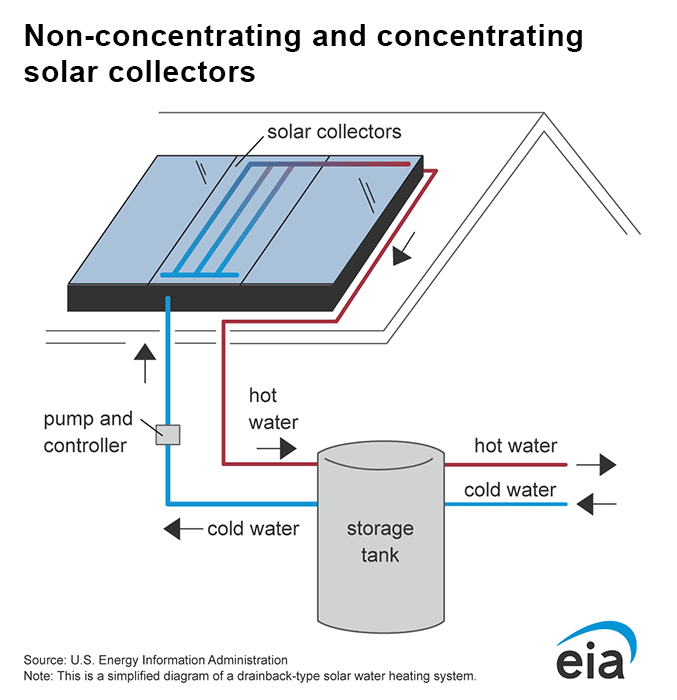
As we strive to reduce our reliance on non-renewable energy sources, it’s essential to understand the various technologies that harness the power of the sun. One such technology is solar collecting, which involves converting sunlight into usable forms of energy. In this article, we’ll delve into the world of solar collectors and explore their role in renewable energy.
The Biology of Solar Collectors
Plants are natural solar collectors, using photosynthesis to convert sunlight into biomass. This process not only produces organic matter but also helps regulate Earth’s climate. Similarly, certain materials can be considered solar collectors, such as glass, which allows sunlight to warm and illuminate indoor spaces while keeping cold air out.
The History of Solar Collectors
The discovery of glass was a significant milestone in the development of solar collecting technology. The ancient Romans used glass to store water and provide insulation, laying the groundwork for modern solar collectors. Today, solar collectors are an integral part of renewable energy systems, working alongside photovoltaic systems to convert sunlight into usable energy.
Types of Solar Collectors
Solar collectors can be classified as either passive or active systems. Passive systems rely on direct radiation absorption, while active systems involve transformation and conversion processes. The three main types of solar collectors are:
- Exposed Tubular Collectors: These collectors use transparent tubes to absorb sunlight, heating a circulating fluid that generates thermal energy.
- Flat Plate Collectors with Vitrified Coatings: This type of collector uses a metal plate coated with a vitrified material to absorb and transfer heat. The glass coating prevents radiation dispersion and allows for efficient energy transfer.
- Vacuum Tube Collectors: These collectors employ evacuated tubes lined with an absorptive material to capture sunlight and convert it into thermal energy.
Classification Based on Connection Methods
Solar collectors can also be classified based on their connection methods to water-based systems. The three main classification types are:
- Natural Convection Systems: In these systems, the circulating fluid is driven by natural convection currents, relying on gravity to facilitate heat transfer.
- Forced Circulation Systems: These systems employ pumps to circulate the fluid, ensuring efficient heat transfer and energy production.
Classification Based on Heat Generation
Solar collectors can also be categorized based on their application. The two main types are:
- Water Heating Systems: These systems use solar collectors to generate hot water for domestic use.
- Dual-Use Systems: These systems provide both hot water and space heating, offering a more comprehensive solution for energy needs.
Benefits of Solar Collectors
Solar collectors offer several benefits, including:
- Renewable Energy Source: Solar collectors harness the power of the sun, providing a renewable source of energy.
- Energy Efficiency: Solar collectors can help reduce energy consumption by generating hot water and space heating directly from sunlight.
- Cost Savings: Solar collectors can save homeowners money on their energy bills, reducing their reliance on non-renewable energy sources.
Challenges and Limitations
While solar collectors offer numerous benefits, there are also several challenges and limitations to consider:
- Initial Cost: The initial cost of solar collectors can be high, although costs have decreased over the years.
- Space Requirements: Solar collectors require space to absorb sunlight and generate thermal energy.
- Maintenance Requirements: Regular maintenance is necessary to ensure optimal performance and extend the lifespan of solar collectors.
Conclusion
Solar collectors are an essential component of renewable energy systems, providing a sustainable source of heat and hot water. By understanding the various aspects of solar collecting technology, we can better appreciate its importance in reducing our reliance on non-renewable energy sources. As we continue to innovate and improve these technologies, we’ll be one step closer to creating a more sustainable future.
Frequently Asked Questions
- Q: What is the difference between passive and active solar collectors?
A: Passive solar collectors rely on direct radiation absorption, while active systems involve transformation and conversion processes. - Q: How do exposed tubular collectors work?
A: Exposed tubular collectors use transparent tubes to absorb sunlight, heating a circulating fluid that generates thermal energy. - Q: What are the benefits of using solar collectors for water heating?
A: Solar collectors can provide hot water at a lower cost than traditional heating systems and reduce energy consumption.
Future Developments
As we continue to innovate and improve solar collecting technology, several future developments are expected:
- Advancements in Materials Science: New materials and coatings will be developed to enhance the efficiency and durability of solar collectors.
- Increased Adoption: Solar collectors will become more mainstream as costs decrease and awareness about renewable energy sources increases.
- Integration with Other Technologies: Solar collectors will be integrated with other renewable energy technologies, such as photovoltaic systems, to create comprehensive energy solutions.
By understanding the various aspects of solar collecting technology, we can better appreciate its importance in reducing our reliance on non-renewable energy sources. As we continue to innovate and improve these technologies, we’ll be one step closer to creating a more sustainable future.


