
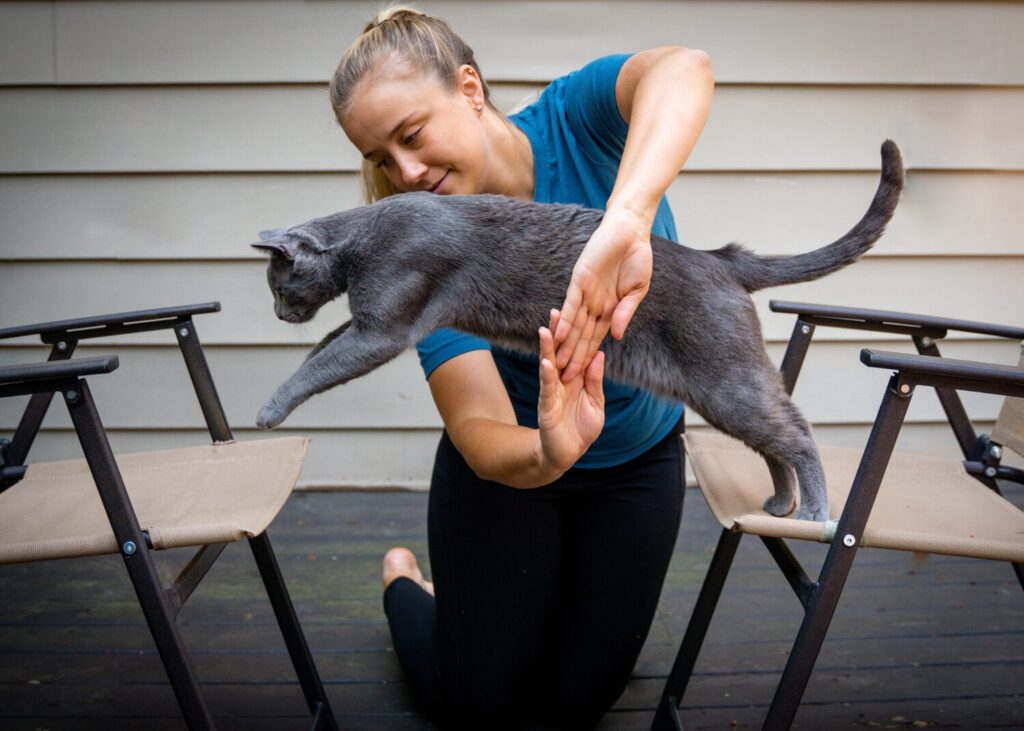
Training a Cat: A Comprehensive Guide
As the saying goes, “you can’t force someone to do something,” and this applies perfectly to training cats. You can guide them, but ultimately, they must want to learn. So, how can you train your feline friend? The answer lies in understanding their nature, using positive reinforcement techniques, and being patient.
Understanding the Nature of Cats
Cats are unique animals with distinct personalities, needs, and preferences. Before attempting to train your cat, it’s essential to understand their individual characteristics. Some cats are more affectionate and playful, while others are more independent and aloof. By recognizing these differences, you can tailor your training approach to meet the specific needs of your cat.
Positive Reinforcement Techniques
Positive reinforcement techniques involve rewarding your cat for desired behaviors rather than punishing them for undesired ones. This approach encourages your cat to associate positive experiences with good behavior. Some effective ways to use positive reinforcement include:
- Verbal cues: Choose specific words or phrases that signal the behavior you want your cat to perform.
- Treats and praise: Reward your cat with treats, affection, or praise when they exhibit desired behaviors.
- Providing mental stimulation: Engage your cat’s mind with puzzle toys, scratching posts, or climbing structures.
Common Training Tasks
There are several common training tasks that you can teach your cat, including:
- Using the litter box: Teach your cat to use a litter box by placing them inside after meals and gradually increasing the amount of time they spend in the litter box.
- Not scratching furniture: Provide alternative scratching surfaces, such as scratching posts or pads, to redirect your cat’s scratching behavior away from furniture.
- Not jumping on counters: Use positive reinforcement techniques to teach your cat not to jump onto counters by placing treats and praise on the counter when they remain off.
Tips for Successful Training
Here are some tips for successful training:
- Be patient: Training a cat takes time, effort, and patience.
- Use clear communication: Choose specific verbal cues and body language to communicate with your cat.
- Offer variety: Provide a variety of activities, toys, and treats to keep your cat engaged and interested in learning.
Benefits of Positive Reinforcement
Positive reinforcement techniques offer several benefits for training cats, including:
- Improved behavior: By rewarding desired behaviors, you can encourage your cat to repeat them.
- Increased trust: When your cat associates positive experiences with good behavior, they are more likely to trust you.
- Enhanced bond: Positive reinforcement techniques help strengthen the bond between you and your cat.
Common Mistakes to Avoid
When training a cat, there are several common mistakes to avoid, including:
- Punishing undesired behaviors: Punishment can lead to fear, anxiety, and aggression in cats. Instead, use positive reinforcement techniques.
- Using physical force: Physical force can be harmful or even injurious to your cat. Use gentle guidance and rewards instead.
- Failing to provide mental stimulation: Cats need mental stimulation to stay engaged and interested. Provide puzzle toys, scratching posts, or climbing structures.
Conclusion
Training a cat is a rewarding experience that requires patience, understanding, and positive reinforcement techniques. By recognizing the unique nature of cats, using effective training methods, and providing mental stimulation and rewards, you can teach your cat new behaviors and strengthen your bond with them.
Additional Resources:
- Books on cat behavior: “Cat Sense: How the New Feline Science Can Make You a Better Friend to Your Pet” by John Bradshaw
- Online training resources: International Cat Care – Training Your Cat
- Veterinary advice: Consult with your veterinarian for personalized advice on training your cat.
By following these guidelines and using positive reinforcement techniques, you can train your cat effectively and build a strong, loving relationship with them. Remember to be patient, understanding, and flexible, as every cat is unique and may require individualized attention.


