
When it comes to digestive issues, such as heartburn, indigestion, and constipation, many people turn to medication or other treatments. However, did you know that using natural herbs can provide relief from these common problems? In this article, we’ll explore some of the most effective digestive herbs, their benefits, and how to incorporate them into your diet.
Understanding Digestive Health
Before we dive into the world of digestive herbs, it’s essential to understand what affects our digestive health. Factors such as stress, sleep, diet, alcohol consumption, smoking, weight, liver function, circulation, mood, exercise, exposure to chemicals, and food quality can all impact our digestive system.
While addressing these factors is crucial for maintaining overall health, using natural herbs can also provide a valuable boost to our digestive well-being. By supporting the health of our digestive system, we can reduce symptoms, improve digestion, and even alleviate conditions like irritable bowel syndrome (IBS).
The Science Behind Digestive Herbs
Digestive herbs have been used for centuries to support digestive health, and recent research has confirmed their effectiveness. These herbs work by influencing various mechanisms in the digestive tract, including:
- Gastrointestinal motility: Herbs can help regulate the movement of food through the digestive system.
- Inflammation reduction: Many digestive herbs have anti-inflammatory properties that can soothe inflammation in the digestive tract.
- Microbiome balance: Digestive herbs can support the growth of beneficial gut bacteria, promoting a healthy gut microbiome.
- Stomach acid regulation: Some herbs can help regulate stomach acid levels, reducing symptoms of heartburn and indigestion.
Top Digestive Herbs for Natural Relief
Here are some of the most commonly used digestive herbs, along with their benefits and uses:
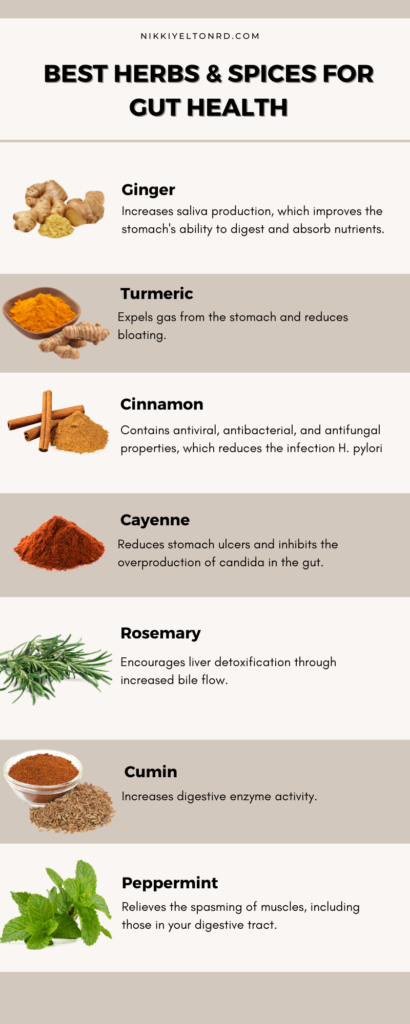
1. Ginger (Zingiber officinale)
Ginger has a warming and calming effect on digestion, making it an effective natural remedy for nausea and stomach discomfort. Its anti-inflammatory properties also help to reduce inflammation in the digestive tract.
Try it: Add fresh ginger to your meals or brew a tea by steeping slices in hot water.
2. Turmeric (Curcuma longa)
Turmeric is known for its potent anti-inflammatory and antimicrobial properties, making it an excellent herb for supporting digestive health. Its active compound, curcumin, has been shown to reduce inflammation in the digestive tract and alleviate symptoms of IBS.
Try it: Add turmeric powder to your meals or make a tea by steeping the root in hot water.
3. Fennel (Foeniculum vulgare)
Fennel is a natural carminative, which means it helps to alleviate bloating and gas. Its seeds also have anti-inflammatory properties that can soothe digestive issues like constipation.
Try it: Chew on fennel seeds after meals or brew a tea by steeping the leaves in hot water.
4. Cumin (Cuminum cyminum)
Cumin is a fundamental herb for digestive health, as it helps to alleviate cramps and nausea. Its anti-inflammatory properties also support liver function and reduce inflammation in the digestive tract.
Try it: Add cumin powder to your meals or make a tea by steeping the seeds in hot water.
5. Cinnamon (Cinnamomum verum)
Cinnamon is an excellent stimulant for appetite and circulation. Its antibacterial properties also help to reduce inflammation in the digestive tract and alleviate symptoms of IBS.
Try it: Add cinnamon powder to your meals or make a tea by steeping the bark in hot water.
6. Garlic (Allium sativum)
Garlic is a natural antimicrobial agent that supports cardio health while also reducing inflammation in the digestive tract. Its active compounds, such as allicin, have been shown to alleviate symptoms of IBS and improve digestion.
Try it: Add garlic cloves to your meals or make a tea by steeping the leaves in hot water.
7. Rosemary (Rosmarinus officinalis)
Rosemary is a natural carminative that helps to alleviate bloating and gas. Its anti-inflammatory properties also support liver function and reduce inflammation in the digestive tract.
Try it: Add rosemary sprigs to your meals or make a tea by steeping the leaves in hot water.
8. Peppermint (Mentha piperita)
Peppermint is an excellent herb for reducing bloating and gas. Its anti-inflammatory properties also support digestion and alleviate symptoms of IBS.
Try it: Make a tea by steeping peppermint leaves in hot water or add a few sprigs to your meals.
9. Anise (Pimpinella anisum)
Anise is a natural relaxant that helps to soothe digestive issues like bloating and gas. Its anti-inflammatory properties also support liver function and reduce inflammation in the digestive tract.
Try it: Make a tea by steeping anise seeds in hot water or add a few drops to your meals.
10. Pennyroyal (Mentha pulegium)
Pennyroyal is an excellent herb for reducing bloating and gas. Its anti-inflammatory properties also support digestion and alleviate symptoms of IBS.
Try it: Make a tea by steeping pennyroyal leaves in hot water or add a few sprigs to your meals.
Combining Digestive Herbs
While each digestive herb has its own unique benefits, combining them can be beneficial for some individuals. Here are some popular herbal combinations:
- Ginger and Turmeric: Combine ginger with turmeric to create a powerful anti-inflammatory blend.
- Fennel and Cumin: Pair fennel with cumin to alleviate bloating and gas.
- Peppermint and Rosemary: Blend peppermint with rosemary to improve digestion and reduce inflammation.
Tips for Using Digestive Herbs
When using digestive herbs, it’s essential to follow some guidelines:
- Start small: Begin with a small dose and gradually increase as needed.
- Consult with a healthcare professional: Before taking any herbal remedies, especially if you’re pregnant or breastfeeding.
- Combine with food: Digestive herbs can be more effective when taken with food.
- Use high-quality products: Choose organic and fresh herbs to ensure maximum efficacy.
Precautions and Side Effects
While digestive herbs are generally safe, there are some precautions and potential side effects to consider:
- Allergic reactions: Some individuals may experience allergic reactions to certain herbs.
- Interactions with medications: Digestive herbs can interact with prescription medications, such as blood thinners and diabetes medications.
- Gastrointestinal issues: Some herbs can exacerbate existing gastrointestinal issues, such as ulcers or acid reflux.
Conclusion
Incorporating digestive herbs into your diet can be a powerful way to support your overall health and well-being. By understanding the benefits and uses of each herb, you can make informed choices about which ones to try and how to use them effectively. Remember to always consult with a healthcare professional before adding any new supplements or herbs to your routine.
Frequently Asked Questions
Q: How do I choose the right digestive herbs for my needs?
A: Consider consulting with a healthcare professional or registered dietitian to determine which herbs are best suited for your specific health needs.
Q: Can I take digestive herbs with medications?
A: Always consult with a healthcare professional before taking any herbal remedies, especially if you’re taking prescription medications.
Q: How do I prepare and consume digestive herbs?
A: Research the recommended preparation methods and dosages for each herb, or consult with a healthcare professional for guidance.
Q: Are digestive herbs safe to use during pregnancy or breastfeeding?
A: Always consult with a healthcare professional before using any herbal remedies during pregnancy or breastfeeding.
Q: Can digestive herbs interact with other health conditions?
A: Consult with a healthcare professional before taking any herbal remedies if you have underlying health conditions, such as diabetes or kidney disease.
Q: How long does it take to see results from using digestive herbs?
A: Results may vary depending on the individual and the specific herb. Some people may notice benefits within days or weeks, while others may take several months to experience noticeable effects.
By incorporating digestive herbs into your lifestyle, you can take a proactive approach to supporting your digestive health and overall well-being.


