
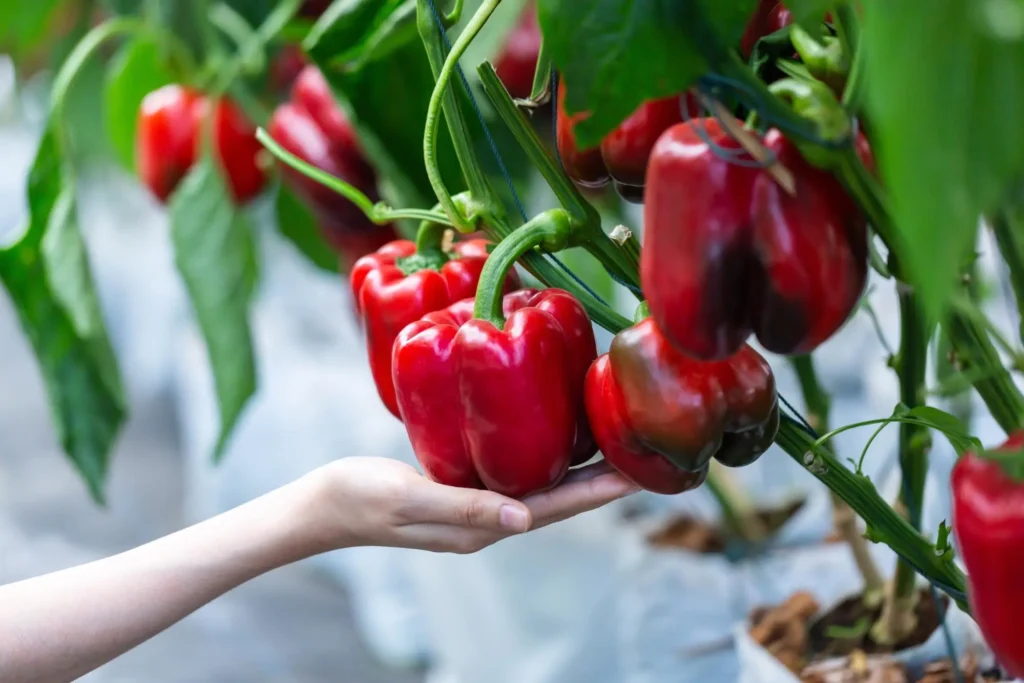
As a versatile ingredient in many dishes, from salads to sauces, peppers have gained popularity among gardeners and cooks alike. But did you know that peppers can be grown both indoors and outdoors? In this article, we’ll explore the best times to plant peppers, how to care for them, and provide tips on growing them in containers or in the ground.
Choosing the Right Variety
With numerous varieties of peppers available, it’s essential to select one that suits your needs. From sweet bell peppers to spicy jalapenos, there’s a pepper variety out there for everyone. When choosing a pepper plant, consider factors such as climate, growing conditions, and desired use in cooking.
- Sweet Bell Peppers: These sweet and crunchy peppers are perfect for snacking, salads, and cooking.
- Jalapeno Peppers: Jalapenos add heat to any dish and can be used in salsas, sauces, and as a topping for tacos and pizzas.
- Giant Marconi Peppers: These large, bell-shaped peppers make great additions to salads and sandwiches.
- Cubanelle Peppers: These sweet and mild peppers are ideal for stuffing and cooking.
When to Plant Peppers
The ideal time to plant peppers depends on the region and climate. In general, spring is the best time to plant peppers in most areas. However, if you live in a warmer climate, you can plant peppers year-round.
- In Temperate Climates: Wait until the soil has warmed up to at least 60°F (15°C) before planting.
- In Warmer Climates: Plant peppers as soon as possible after the last frost date.
Preparing the Soil
Before planting peppers, prepare the soil by loosening it to a depth of about 12 inches (30 cm). Mix in compost or well-rotted manure to improve soil fertility and drainage. If your soil is heavy clay or sandy, amend it with organic matter to achieve a balanced pH.
- Soil pH: Peppers prefer a slightly acidic to neutral soil pH (around 6.0-7.0).
- Organic Matter: Add compost or well-rotted manure to improve soil fertility and drainage.
- Fertilizer: Use a balanced fertilizer (e.g., 10-10-10 NPK) once a month.
Planting Peppers
There are two main ways to plant peppers: in-ground or in containers. Here’s how:
In-Ground Planting
- Plant pepper seedlings 12-18 inches (30-45 cm) apart in rows that are 3 feet (90 cm) apart.
- Water thoroughly and maintain consistent moisture levels during the first few weeks after planting.
- Use a trellis or cage to support indeterminate pepper varieties.
Container Planting
- Choose a container with good drainage, at least 12 inches (30 cm) deep, and 18-24 inches (45-60 cm) wide.
- Fill the container with a well-draining potting mix, leaving about an inch (2.5 cm) of space at the top.
- Plant pepper seedlings 6-8 inches (15-20 cm) apart in rows that are 12-18 inches (30-45 cm) apart.
Caring for Peppers
To keep your peppers healthy and productive, follow these care tips:
- Provide Full Sun: Make sure your peppers receive at least 6 hours of direct sunlight per day.
- Water Consistently: Water your peppers when the top inch of soil feels dry to the touch. Avoid overwatering.
- Fertilize Regularly: Use a balanced fertilizer once a month to promote healthy growth and fruit production.
- Prune Plants: Prune your pepper plants to maintain shape, encourage fruiting, and prevent disease.
Common Issues
Keep an eye out for common issues that can affect pepper plants:
- Pests: Aphids, whiteflies, and spider mites can be controlled using neem oil or insecticidal soap.
- Diseases: Fungal infections like powdery mildew and bacterial leaf spot can be treated with copper-based fungicides.
Harvesting Peppers
Peppers are ready to harvest when they reach their full color and firmness. Here’s how to harvest them:
- Cut the Pepper: Cut the pepper from the plant using scissors or a sharp knife.
- Remove Stems and Leaves: Remove any stems or leaves that may be attached to the fruit.
- Store Harvested Peppers: Store harvested peppers in a cool, dry place to maintain freshness.
Variety-Specific Tips
Different pepper varieties have unique growing requirements and characteristics. Here are some variety-specific tips:
- Sweet Bell Peppers: These sweet and crunchy peppers require full sun and consistent moisture levels.
- Jalapeno Peppers: Jalapenos prefer well-draining soil and partial shade to prevent scorching.
- Giant Marconi Peppers: These large, bell-shaped peppers need support as they grow.
- Cubanelle Peppers: These sweet and mild peppers are ideal for stuffing and cooking.
Conclusion
Growing peppers is a rewarding experience that requires attention to detail and proper care. By following these tips, you’ll be on your way to enjoying delicious homegrown peppers all season long. Happy growing!
FAQs
Q: How often should I water my pepper plants?
A: Water your pepper plants when the top inch of soil feels dry to the touch.
Q: Can I grow peppers in containers indoors?
A: Yes, but make sure they receive at least 6 hours of direct sunlight per day.
Q: How do I prevent pests and diseases from affecting my pepper plants?
A: Use neem oil or insecticidal soap to control pests, and treat fungal infections with copper-based fungicides.
Q: When can I expect my peppers to be ready for harvest?
A: Peppers are usually ready to harvest when they reach their full color and firmness.


