
As we navigate the complexities of COVID-19, it’s essential to grasp the nuances of our body temperature. While high fever is often a cause for concern, low body temperature can be just as alarming. In this article, we’ll delve into the world of hypothermia, exploring its causes, symptoms, and consequences.
Normal Body Temperature Range
Before diving into the world of low body temperatures, it’s crucial to understand what constitutes a normal temperature range for humans. The average adult body temperature falls within the 35.5°C to 37°C (96.1°F to 98.6°F) range. However, this can vary depending on factors such as age, sex, and physical activity.
The Regulating System: How Our Body Temperature is Controlled
So, how does our body regulate its temperature? The answer lies in the complex interplay between the nervous system, hormones, and the environment. Specifically, the hypothalamus, a region in the brain, plays a crucial role in maintaining body temperature. When the body perceives extreme temperatures, it triggers responses such as sweating to cool down or shivering to warm up.
The Hypothalamic-Pituitary-Adrenal (HPA) Axis: A Key Player in Temperature Regulation
The HPA axis is a critical component of our body’s temperature regulation system. When the hypothalamus detects changes in the environment, it sends signals to the pituitary gland, which then releases hormones that stimulate the adrenal glands to produce cortisol and other stress hormones. These hormones play a crucial role in regulating our response to cold stress, helping us to conserve heat and maintain body temperature.
Types of Hypothermia and Symptoms
It’s essential to distinguish between different types of hypothermia, each with its unique set of symptoms. Mild hypothermia may cause feelings of coldness, while moderate hypothermia can lead to confusion, muscle weakness, and decreased cognitive function. Severe hypothermia, however, is a life-threatening condition that requires immediate medical attention.
Mild Hypothermia: The Early Warning Signs
Mild hypothermia can be difficult to recognize, as the symptoms may be similar to those of the common cold or flu. Some early warning signs include:
- A feeling of chilliness or coldness
- Shivering
- Confusion or disorientation
- Slowed speech and movements
Moderate Hypothermia: The Increasing Risk
As hypothermia progresses, symptoms become more pronounced. Moderate hypothermia can lead to:
- Decreased muscle strength and coordination
- Difficulty speaking and swallowing
- Slurred speech
- Dizziness or loss of balance
Severe Hypothermia: The Life-Threatening Condition
Severe hypothermia is a medical emergency that requires immediate attention. Symptoms include:
- Loss of consciousness
- Decreased heart rate and blood pressure
- Confusion, disorientation, and altered mental status
- Decreased reflexes and motor function
Causes of Low Body Temperature
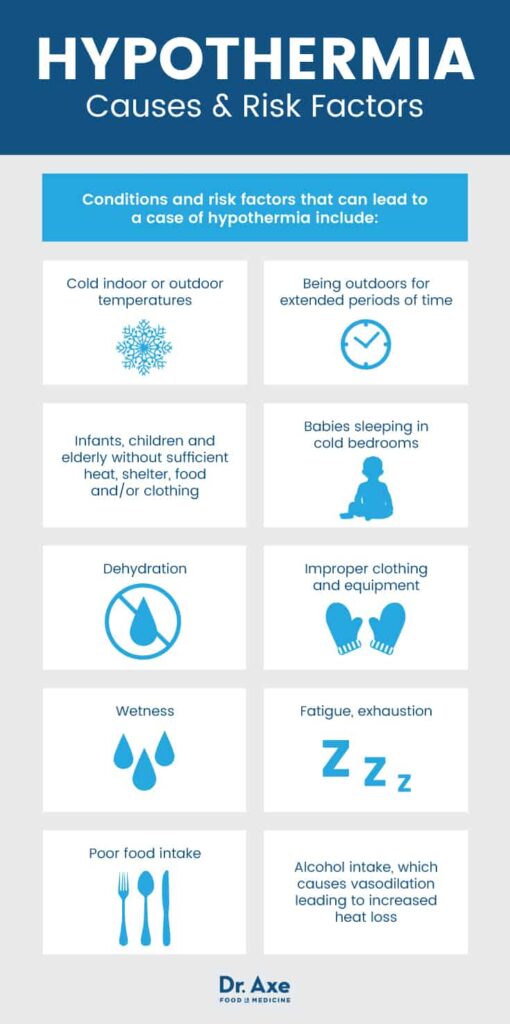
While congelation is the most obvious cause of low body temperature, there are other factors at play. These include:
- Endocrine disorders such as hypothyroidism
- Nutritional deficiencies like anorexia nervosa or diabetes
- Physical trauma that affects the hypothalamus
- Dehydration, which can lead to vasocostriction and reduced blood flow
- Chronic fatigue, which can impair the body’s ability to regulate temperature
- Alcohol consumption, which can cause vasodilation
Endocrine Disorders: The Role of Thyroid Function
Hypothyroidism, a condition in which the thyroid gland does not produce enough thyroid hormones, can lead to low body temperature. Thyroid hormones play a crucial role in regulating our metabolism and energy production.
- A decrease in thyroid hormone levels can lead to decreased metabolic rate, causing the body to lose heat more efficiently.
- This can result in a lower body temperature, making individuals more susceptible to cold stress.
Nutritional Deficiencies: The Impact of Malnutrition
Malnutrition, particularly anorexia nervosa or diabetes, can also contribute to low body temperature. These conditions can lead to:
- Dehydration and electrolyte imbalances
- Decreased insulin production (in diabetes)
- Reduced metabolic rate
Physical Trauma: The Damage to the Hypothalamus
Trauma to the hypothalamus, a region in the brain responsible for regulating body temperature, can disrupt normal thermoregulation. This can lead to:
- Altered hypothalamic function
- Decreased ability to regulate body temperature
Dehydration and Vasocostriction: The Reduced Blood Flow
Dehydration can cause vasocostriction, leading to reduced blood flow to the extremities. This can result in:
- Decreased peripheral blood flow
- Increased heat loss through convection and radiation
Chronic Fatigue: The Impaired Thermoregulation
Chronic fatigue, which can be caused by a variety of factors including anemia, hypothyroidism, or fibromyalgia, can impair the body’s ability to regulate temperature.
- Reduced metabolic rate
- Decreased muscle strength and endurance
- Altered hypothalamic function
Alcohol Consumption: The Vasodilation and Heat Loss
Alcohol consumption can cause vasodilation, leading to increased heat loss through convection and radiation. This can result in:
- Decreased body temperature
- Increased risk of hypothermia
Conclusion
Understanding low body temperature is crucial for identifying potential health risks. By grasping the causes, symptoms, and consequences of hypothermia, we can take proactive steps to maintain a healthy body temperature. Whether it’s through regulating our environment, managing stress, or seeking medical attention when necessary, awareness is key.
Frequently Asked Questions (FAQs)
Q: What is the normal range for body temperature?
A: The average adult body temperature falls within the 35.5°C to 37°C (96.1°F to 98.6°F) range.
Q: How does our body regulate its temperature?
A: Our body regulates its temperature through a complex interplay between the nervous system, hormones, and the environment, primarily controlled by the hypothalamus.
Q: What are the symptoms of severe hypothermia?
A: Severe hypothermia can lead to a loss of consciousness, decreased cognitive function, and potentially irreversible damage to internal organs.
Q: Can dehydration cause low body temperature?
A: Yes, dehydration can lead to vasocostriction, reducing blood flow and causing the body’s core temperature to drop.
Q: How does alcohol consumption affect body temperature?
A: Alcohol consumption can cause vasodilation, leading to a rapid loss of heat and potentially hypothermia.
Q: Can chronic fatigue contribute to low body temperature?
A: Yes, chronic fatigue can impair the body’s ability to regulate temperature, making it more susceptible to cold stress.


