
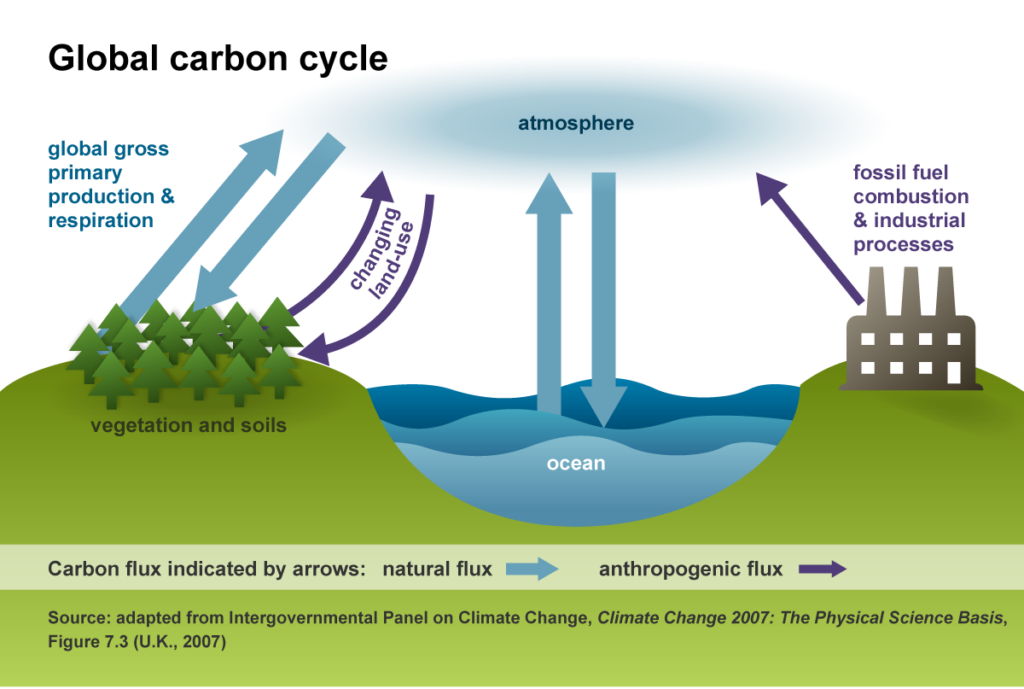
The greenhouse effect is a natural process that occurs when certain gases in the Earth’s atmosphere, such as carbon dioxide and methane, trap heat from the sun, keeping our planet warm enough to support life. However, human activities have increased the concentration of these gases, leading to an enhancement of the natural greenhouse effect, known as global warming or climate change.
What is the Greenhouse Effect?
The Earth’s atmosphere is like a blanket that wraps around the planet, trapping heat from the sun and keeping our world warm enough to support life. This process is essential for maintaining a habitable temperature on Earth. The main culprit behind this natural phenomenon is carbon dioxide (CO2), which is released into the atmosphere through various human activities.
The Causes of Global Warming
Human activities have significantly increased the concentration of CO2 in the atmosphere, leading to an enhancement of the greenhouse effect. The primary cause of this increase is the burning of fossil fuels, such as coal, oil, and gas, which releases massive amounts of CO2 into the atmosphere. Deforestation and land-use changes also contribute to the increase in atmospheric CO2 levels.
The Impact of Global Warming
The enhanced greenhouse effect has severe consequences for our planet, including:
- Rising global temperatures
- More extreme weather events, such as hurricanes and droughts
- Sea-level rise and coastal erosion
- Loss of biodiversity and ecosystem disruption
Understanding the History of CO2 Levels
To better understand the impact of human activities on atmospheric CO2 levels, let’s look at the data:
- Before the Industrial Revolution (1750), CO2 levels were approximately 280 parts per million (ppm).
- In the 1950s and 1960s, CO2 levels began to rise due to industrialization and population growth.
- Since the 1990s, CO2 levels have increased at an alarming rate, with concentrations currently exceeding 415 ppm.
The Role of Fossil Fuels
Fossil fuels are a primary source of CO2 emissions. The combustion of fossil fuels releases carbon dioxide into the atmosphere, contributing to global warming. According to the Intergovernmental Panel on Climate Change (IPCC), the use of fossil fuels is responsible for approximately 65% of human-caused greenhouse gas emissions.
The Impact of Deforestation
Deforestation and land-use changes are significant contributors to atmospheric CO2 levels. When forests are cleared or burned, it releases stored carbon into the atmosphere, contributing to global warming. The IPCC estimates that deforestation accounts for around 15% of human-caused greenhouse gas emissions.
Solutions to Mitigate Global Warming
To mitigate the effects of global warming, we need to reduce our reliance on fossil fuels and transition to cleaner energy sources. Some potential solutions include:
- Investing in renewable energy technologies, such as solar and wind power
- Improving energy efficiency in buildings and transportation systems
- Electrifying industries and promoting sustainable land-use practices
- Implementing carbon capture and storage technologies
The Importance of Carbon Capture and Storage
Carbon capture and storage (CCS) is a technology that captures CO2 emissions from power plants and industrial processes, then stores them underground. CCS can reduce greenhouse gas emissions by up to 90%, making it a crucial tool in the fight against global warming.
The Role of Land-Use Changes
Land-use changes, such as deforestation and urbanization, contribute significantly to atmospheric CO2 levels. Forests absorb carbon dioxide during photosynthesis, but when forests are cleared or burned, this stored carbon is released into the atmosphere. Sustainable land-use practices, such as reforestation and agroforestry, can help sequester carbon dioxide.
The Impact of Climate Change on Human Health
Climate change has severe consequences for human health, including:
- Increased heat-related illnesses
- Respiratory problems due to air pollution
- Spread of diseases, such as malaria and dengue fever
Solutions to Mitigate the Impact of Climate Change on Human Health
To mitigate the impact of climate change on human health, we need to reduce greenhouse gas emissions and transition to cleaner energy sources. Some potential solutions include:
- Improving air quality in urban areas
- Implementing heat wave mitigation strategies
- Promoting disease prevention and control measures
The Economic Impacts of Global Warming
Global warming has significant economic impacts, including:
- Damage to infrastructure and property
- Loss of productivity due to extreme weather events
- Increased costs for healthcare and disaster response


