
As a term in the medical and technical fields, histocompatibility has likely been mentioned by those who have had experience with transplants. It is also often cited in non-medical articles covering new discoveries in this field, which are hoped to never be necessary. But what does it mean?
The Meaning of Histocompatibility
Histocompatibility refers to the property of cells in a tissue to be recognized as their own by the organism and not be identified and eliminated by the immune system, as would happen if they were recognized as “foreign” or “enemy.” In other words, histocompatibility is the ability of cells in a tissue to express a surface protein complex that makes them compatible with another tissue or organ.
Defining Histocompatibility
In medicine, histocompatibility is defined as the property of cells in a tissue to be recognized as their own by the immune system and not be identified as foreign. This definition highlights the technical nature of the concept, which is typically used by experts in the field. However, it is possible to understand the general sense of the term.
The Major Histocompatibility Complex (MHC)
For all living beings, including humans and animals, histocompatibility is also referred to as the major histocompatibility complex (MHC). This specific group of genes, consisting of 30 units, can be assumed to be located on the short arm of chromosome 6. In mice, it is actually found on chromosome 17.
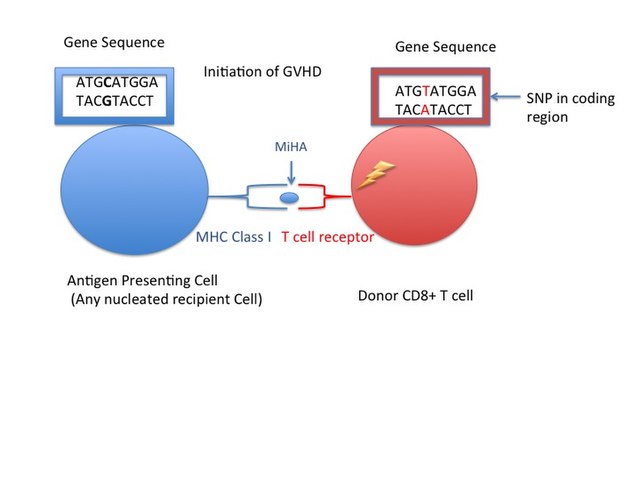
The MHC produces characteristic proteins, which are able to bind to typical molecules of pathogens and expose them on the cell surface. This allows these proteins to act as antigens and make infected cells visible to T-cell receptors in the immune system.
Human Leukocyte Antigen (HLA)
This acronym refers specifically to the MHC in humans. HLA stands for Human Leukocyte Antigen, which is a group of genes that encode surface proteins on human cells responsible for regulating the immune system.
The HLA is essentially the human version of the MHC genes found in many other vertebrates, including those studied in immunology research. When studying immune function, the HLA plays a crucial role.
Histocompatibility and Antigens
We’ve mentioned that histocompatibility involves surface molecules on cells acting as antigens. This means that when these cells come into contact with an individual’s immune system, they can trigger an immune response because they are recognized as foreign.
When a transplant is performed, there is sometimes a risk that the cells of the transplanted tissue do not have the same HLA antigens as the recipient. This makes the tissue visible to the immune system as “foreign” and thus causes it to be rejected. To minimize rejection cases, various procedures are carried out, including tissue typing: before operations, it is ensured that the donor and recipient are HLA-compatible.
Histocompatibility Curiosities
Who would have thought that histocompatibility could become Cupid in 2020? And yet, it seems to be so. The American startup Pheramor has developed an app that supposedly identifies our soulmate based on histocompatibility. This new reality from across the ocean uses DNA samples to suggest a match for potential partners.
Unlike other dating apps and services already well-known, this one relies on histocompatibility. In a different way, it utilizes all the research in personalized genetics. Pheramor analyzes DNA samples from its clients and suggests who could be almost scientifically their perfect match. For under 20 euros, the startup sends even a saliva kit for collecting samples.
There are certainly puzzled reactions and skeptical responses, but the method of operation is clearly explained: by selecting 11 genes from each sample, Pheramor retrieves useful information that can then be combined with other data to pair users in the most profitable way, hoping for a happy ending or good chemistry.
It’s uncertain at this moment whether Pheramor will succeed. However, this discovery highlights how genetics is increasingly becoming a key player in many fields unrelated to medicine and seems more like marketing than science.
The Role of Histocompatibility in Transplantation
Histocompatibility plays a crucial role in transplantation medicine. In organ transplantation, histocompatibility between the donor and recipient tissue is critical for avoiding immune rejection.
In kidney transplants, for example, the immune system can recognize the donor kidney as foreign due to differences in HLA antigens. This can trigger an immune response that may lead to graft rejection. To minimize this risk, matching of HLA antigens between donors and recipients is essential.
The Significance of Histocompatibility in Cancer Research
Histocompatibility has also been found to play a significant role in cancer research. Certain types of cancer cells express unique HLA proteins on their surface, which can be recognized by the immune system as foreign. This allows for the development of immunotherapies that target these specific HLA proteins.
For example, some cancer cells may express HLA class I proteins, which are typically found on healthy cells and serve to present antigens to T-cells. Inhibiting the expression of these proteins can help prevent the immune system from recognizing and attacking healthy tissues.
Histocompatibility in Personalized Medicine
Histocompatibility has also been explored in the context of personalized medicine. Some researchers have suggested that understanding an individual’s histocompatibility may reveal genetic predispositions to certain diseases or susceptibility to specific infections.
For example, some studies have found that individuals with a specific HLA genotype are more prone to developing autoimmune disorders such as rheumatoid arthritis. Conversely, other HLA genotypes may confer resistance to certain diseases, such as malaria.
The Future of Histocompatibility Research
While histocompatibility has been extensively studied in the context of transplantation medicine and cancer research, there is still much to be discovered about this complex phenomenon. In recent years, advances in genomics and gene editing technologies have opened up new avenues for exploring histocompatibility.
For example, researchers have begun to investigate the role of epigenetic modifications on histocompatibility. Epigenetics refers to changes in gene expression that are not caused by mutations or deletions in the DNA sequence itself. These modifications can influence how histocompatibility genes are expressed and regulated.
Furthermore, gene editing technologies such as CRISPR/Cas9 have been used to modify HLA genes in vitro, allowing researchers to create cells with altered histocompatibility profiles. This has potential implications for the development of novel immunotherapies that exploit differences in histocompatibility between tumor cells and healthy tissues.
Conclusion
Histocompatibility is a complex and multifaceted concept that plays a critical role in various fields, including transplantation medicine, cancer research, and personalized medicine. By understanding how histocompatibility works, researchers can develop new treatments and therapies that target specific HLA proteins or exploit differences in histocompatibility between cells.
While there are still many mysteries to be uncovered about histocompatibility, recent advances in genomics, gene editing technologies, and immunotherapy have opened up new avenues for exploring this fascinating phenomenon.


