
Introduction
As we move towards a more sustainable and connected future, urban infrastructure is undergoing a significant transformation. Smart lighting systems are becoming increasingly important, not only for their convenience but also for their environmental benefits. In this article, we’ll explore the latest developments in smart lighting technology, its applications, and the impact it can have on our cities.
What is Smart Lighting?
Smart lighting refers to the use of intelligent lighting systems that can be controlled, monitored, and optimized using advanced technologies such as sensors, algorithms, and communication protocols. These systems can analyze various parameters, including movement, temperature, humidity, and light levels, to provide optimal lighting conditions.
The Benefits of Smart Lighting
- Improved Energy Efficiency: Smart lighting systems can reduce energy consumption by up to 50% by optimizing lighting levels based on natural light availability.
- Enhanced Safety and Security: Intelligent lighting systems can detect and respond to potential threats, such as intruders or accidents.
- Increased Public Comfort: Smart lighting can improve the overall quality of life for citizens, making public spaces more inviting and welcoming.
- Reduced Maintenance Costs: Advanced sensors and algorithms can help reduce maintenance costs by identifying and addressing issues before they become major problems.
Toshiba and Landis+Gyr: A Partnership for Smart Lighting
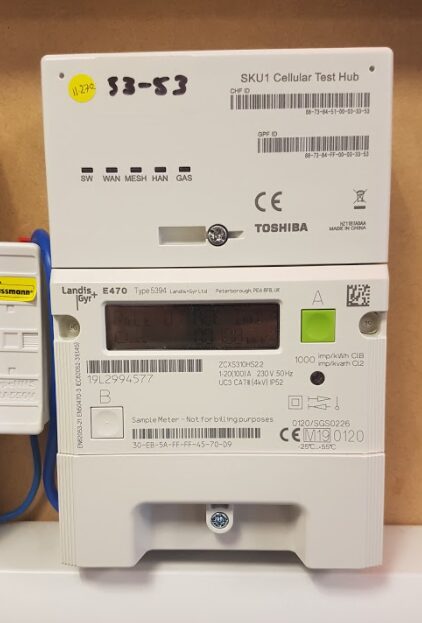
Toshiba Lighting and Landis+Gyr have partnered to create a comprehensive smart lighting solution that combines the best of both worlds. Toshiba’s expertise in LED technology is being paired with Landis+Gyr’s experience in smart metering, resulting in a system that can analyze various parameters and provide optimal lighting conditions.
The Future of Smart Lighting
As cities continue to grow and evolve, smart lighting systems will play an increasingly important role in shaping the urban infrastructure of the future. By leveraging advanced technologies such as IoT, AI, and big data analytics, we can create cities that are not only more efficient but also more sustainable and livable.
How Smart Lighting Can Benefit Cities
- Reduced Energy Consumption: Smart lighting systems can reduce energy consumption by optimizing lighting levels based on natural light availability.
- Improved Public Safety: Intelligent lighting systems can detect and respond to potential threats, such as intruders or accidents.
- Enhanced Quality of Life: Smart lighting can improve the overall quality of life for citizens, making public spaces more inviting and welcoming.
- Increased Economic Growth: By reducing energy consumption and improving public safety, smart lighting systems can contribute to increased economic growth and competitiveness.
Challenges and Opportunities
While smart lighting systems offer many benefits, there are also challenges to overcome, such as:
- High Initial Costs: Implementing smart lighting systems can be expensive upfront.
- Technical Complexity: Smart lighting systems require advanced technical expertise to design, install, and maintain.
- Public Acceptance: Some citizens may be hesitant to adopt new technologies, especially if they’re not familiar with them.
Conclusion
Smart lighting is becoming an increasingly important part of urban infrastructure, offering numerous benefits for cities, citizens, and the environment. By leveraging advanced technologies such as IoT, AI, and big data analytics, we can create cities that are more efficient, sustainable, and livable.
Frequently Asked Questions (FAQs)
Q1: What is smart lighting?
A1: Smart lighting refers to the use of intelligent lighting systems that can be controlled, monitored, and optimized using advanced technologies such as sensors, algorithms, and communication protocols.
Q2: How does smart lighting work?
A2: Smart lighting systems analyze various parameters, including movement, temperature, humidity, and light levels, to provide optimal lighting conditions.
Q3: What are the benefits of smart lighting?
A3: The benefits of smart lighting include improved energy efficiency, enhanced safety and security, increased public comfort, and reduced maintenance costs.
Q4: Who is leading the development of smart lighting technology?
A4: Toshiba Lighting and Landis+Gyr have partnered to create a comprehensive smart lighting solution that combines the best of both worlds.
Q5: How can smart lighting benefit cities?
A5: Smart lighting systems can reduce energy consumption, improve public safety, enhance quality of life, and increase economic growth.
Q6: What are some challenges associated with implementing smart lighting systems?
A6: Challenges include high initial costs, technical complexity, and public acceptance.
Q7: Can smart lighting be retrofitted to existing infrastructure?
A7: Yes, smart lighting can be retrofitted to existing infrastructure using advanced technologies such as wireless communication protocols.
Q8: How can citizens benefit from smart lighting systems?
A8: Citizens can benefit from smart lighting systems by experiencing improved public spaces, reduced energy consumption, and enhanced safety and security.
Real-World Applications of Smart Lighting
- Smart Streetlights: Cities like Singapore and Barcelona have implemented smart streetlights that use advanced sensors to adjust lighting levels based on natural light availability.
- Public Buildings: Smart lighting systems can be integrated into public buildings, such as schools, hospitals, and government offices, to provide optimal lighting conditions while reducing energy consumption.
- Residential Areas: Smart lighting systems can be used in residential areas to improve home security and comfort while reducing energy consumption.
Case Studies
- City of Los Angeles: The City of Los Angeles has implemented a smart lighting system that uses advanced sensors to adjust lighting levels based on natural light availability, resulting in a reduction of 40% in energy consumption.
- Singapore: Singapore has implemented a comprehensive smart lighting system that combines LED technology with IoT and AI, resulting in a significant reduction in energy consumption and improved public safety.
Future Developments
- Integration with Other Technologies: Smart lighting systems will increasingly be integrated with other technologies such as IoT, AI, and big data analytics to create more efficient and sustainable cities.
- Increased Use of Wireless Communication Protocols: Smart lighting systems will increasingly use wireless communication protocols to reduce costs and increase flexibility.
- Greater Emphasis on Public Acceptance: As smart lighting systems become more widespread, there will be a greater emphasis on public acceptance and education.
Conclusion
Smart lighting is an exciting area of development that has the potential to transform urban infrastructure and create more sustainable, efficient, and livable cities. By leveraging advanced technologies such as IoT, AI, and big data analytics, we can create cities that are not only more efficient but also more environmentally friendly and welcoming for citizens.
References
- Toshiba Lighting: “Smart Lighting: The Future of Urban Infrastructure”
- Landis+Gyr: “Smart Metering: The Key to Efficient Energy Management”
- City of Los Angeles: “Smart Lighting System Implementation”
- Singapore Government: “Smart Lighting System Development”
Appendix
- Smart Lighting Terminology: A glossary of smart lighting terminology, including definitions and explanations.
- Smart Lighting Benefits: A detailed analysis of the benefits of smart lighting systems, including improved energy efficiency, enhanced safety and security, increased public comfort, and reduced maintenance costs.
- Smart Lighting Case Studies: A collection of case studies that demonstrate the successful implementation of smart lighting systems in various cities around the world.


