
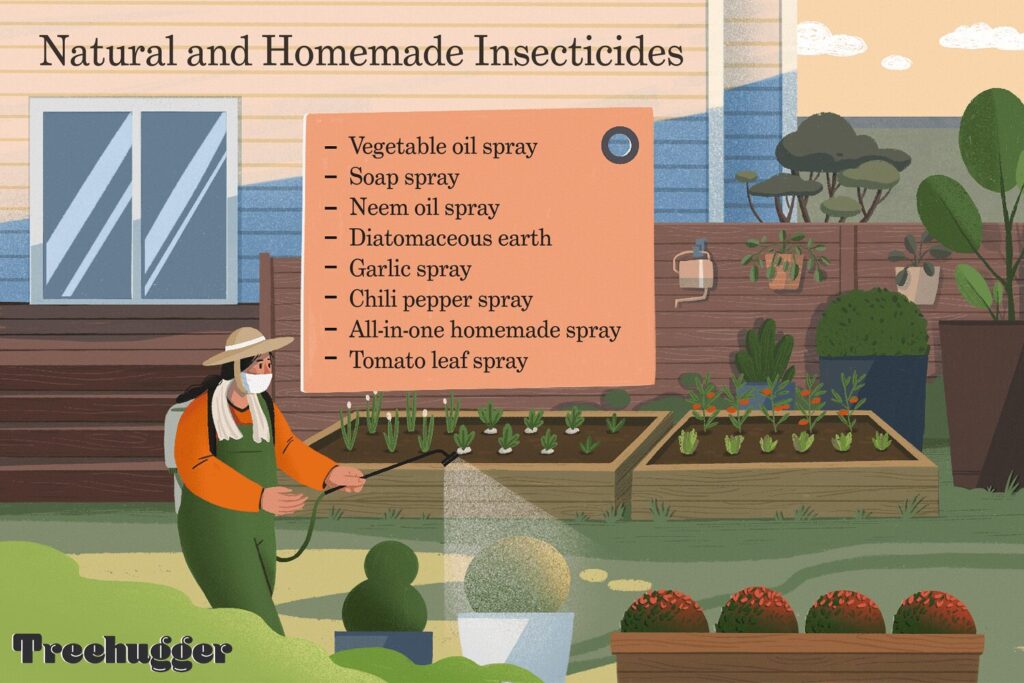
As a gardener or homeowner, dealing with pests can be frustrating and time-consuming. While chemical pesticides can provide quick results, they often come with negative consequences for the environment and human health. That’s why many people are turning to natural pest control methods, such as making your own pest repellents.
In this article, we’ll explore some of the most effective natural antiparasitic substances you can use to protect your plants and home from unwanted pests.
Bicarbonate: A Natural Antiparasitic
Bicarbonate is a versatile and inexpensive natural substance that has been used for centuries to control pests. Its effectiveness lies in its ability to neutralize acidity and alter the pH balance of the soil, making it less hospitable to many types of insects and fungi.
To make a bicarbonate-based antiparasitic spray, mix 1 cup (200g) of baking soda with 3 cups (600ml) of water. Stir until the baking soda is fully dissolved, then filter the mixture through a cheesecloth or fine-mesh sieve into a spray bottle. Spray the solution directly on plants to prevent pests from infesting them.
The Benefits of Bicarbonate-Based Pest Control
Using bicarbonate as an antiparasitic has several benefits:
• Effective against a wide range of pests, including aphids, whiteflies, and spider mites
• Non-toxic to humans, pets, and the environment
• Inexpensive and easy to obtain
• No risk of contamination or residues on food crops
Other Natural Antiparasitic Substances
In addition to bicarbonate, there are several other natural substances that can be used as antiparasitics. Some of these include:
- Macerato di tabacco: Mix 3/4 cup (60g) of tobacco leaves with 1 gallon (4L) of water and let it steep for 48 hours. Strain the liquid and use it to spray your plants.
- Olio di neem: Use neem oil as a natural pesticide against a wide range of pests, including aphids, whiteflies, and spider mites.
- Piretro: A natural insecticide derived from the flowers of the Chrysanthemum cinerariaefolium plant. It’s effective against a wide range of pests, including mosquitoes, flies, and ants.
How to Use Natural Antiparasitic Substances Effectively
To get the most out of your natural antiparasitic substances, follow these tips:
• Always dilute natural substances according to the recommended ratio
• Spray or mix the solution at the right time (usually in the late afternoon or early evening) to ensure maximum effectiveness
• Repeat applications as necessary to maintain pest control
• Be patient and persistent – natural antiparasitcs may take longer to work than chemical pesticides
Natural Pest Control Methods for Specific Plants
Different plants require different approaches to pest control. Here are some specific tips:
- For roses: Use a bicarbonate-based spray or macerato di tabacco to prevent black spot and powdery mildew.
- For tomatoes: Spray neem oil every 7-10 days to prevent hornworms and other pests.
- For orchids: Mix piretro with water according to the label instructions to prevent whiteflies and mealybugs.
Common Mistakes to Avoid
When using natural antiparasitic substances, there are a few common mistakes to avoid:
- Overdosing: Always follow the recommended dilution ratio to avoid harming your plants.
- Using too much water: Make sure not to overwater your plants when spraying them with neem oil or other solutions.
- Not repeating applications: Regular repetition is necessary to maintain pest control.
Conclusion
Natural pest control is a safer, more environmentally friendly alternative to traditional methods. By using bicarbonate and other natural substances as antiparasitics, you can protect your plants and home from unwanted pests without compromising the health of humans or the environment.
With these simple and effective methods, you’ll be well on your way to creating a pest-free garden or home.
Frequently Asked Questions
- Can I use bicarbonate to control fungal diseases?
- Yes! Bicarbonate can help prevent fungal growth by altering the pH balance of the soil.
- How often should I spray my plants with neem oil?
- Neem oil can be applied every 7-10 days, depending on the type and severity of the infestation.
- Is piretro safe for use around pets and children?
- Piretro is generally considered non-toxic to humans and pets, but it’s always best to exercise caution when using any new substance.
By understanding the benefits and limitations of natural antiparasitcs, you can create a safer, healthier environment for your plants and loved ones.


