
Calibration is a crucial process in the world of measurement, but do we all understand what it entails? While it may seem like a technical term reserved for experts, calibration affects us all, as everything in our lives is measured to some extent. To truly grasp the concept, let’s delve into its definition and explore how it differs from taratura.
The Definition of Calibration
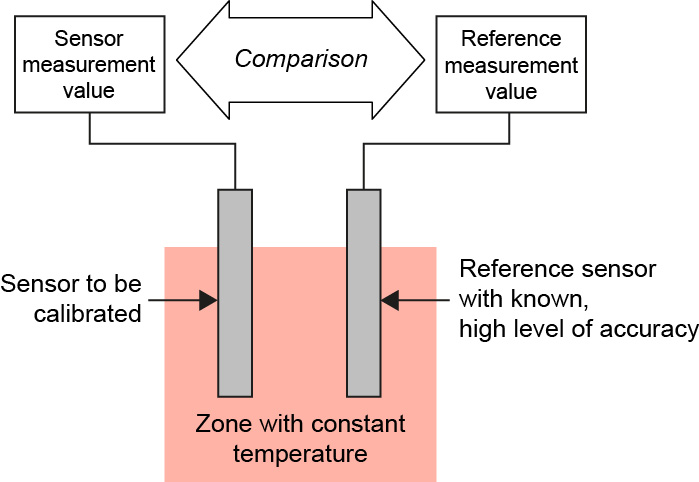
Calibration is the process of characterizing an instrument of measurement, defining its metrological characteristics. This can be achieved through various methods, often involving a comparison with a reference instrument, known as a “calibration standard.” In simpler terms, calibration ensures that our measuring tools provide accurate and reliable results.
What is Calibration?
Calibration involves evaluating the performance of an instrument by comparing its measurements to those of a reference instrument. This process helps identify any discrepancies between the two, allowing for adjustments or corrections to be made. Calibration is not a one-time event; it may need to be repeated periodically to maintain accuracy.
The Difference Between Calibration and Taratura
While often used interchangeably, calibration and taratura are distinct concepts. Calibration focuses on improving an instrument’s accuracy, whereas taratura involves adjusting the instrument itself to match its intended performance. Calibration is typically performed by certified professionals, as it requires specialized knowledge and equipment.
Types of Calibration Methods
There are three primary methods for calibration:
- Comparison Method: This involves comparing the instrument being calibrated with a reference instrument.
- Replacement Method: In this method, the instrument being calibrated is replaced with a new one that matches its intended performance.
- Direct Calibration: This approach involves calibrating the instrument itself to generate the measurement.
Taratura: The Complementary Process
Taratura is an essential process that complements calibration. While calibration focuses on improving an instrument’s accuracy, taratura ensures that the instrument meets its intended specifications. Taratura can be performed using various methods, including comparison, replacement, and direct calibration.
Calibration in Real-Life Scenarios
Calibration plays a significant role in numerous industries, such as:
- Scientific Research: Calibration is crucial for ensuring accurate measurements in scientific research, allowing scientists to make reliable conclusions.
- Quality Control: Calibration helps ensure that products meet their intended specifications, which is essential for maintaining quality control standards.
- Medical Equipment: Calibration of medical equipment is vital for patient safety and effective treatment.
The Importance of Calibration
Understanding the importance of calibration can help individuals appreciate its significance in various aspects of life. By grasping the concept of calibration, we can:
- Improve accuracy and reliability in measurements
- Enhance the performance of instruments and devices
- Ensure compliance with regulatory standards
Common Misconceptions About Calibration
There are several misconceptions surrounding calibration that should be addressed:
- Calibration is a one-time event: Calibration must be repeated periodically to maintain accuracy.
- Calibration only applies to scientific instruments: Calibration is essential for all measuring tools, including those used in industrial, medical, and everyday applications.
- Calibration is only performed by experts: While calibration typically requires specialized knowledge and equipment, it can be performed by trained professionals with the right resources.
Conclusion
Calibration and taratura may seem like complex concepts, but they are crucial for ensuring accurate measurements. By understanding the differences between these processes, we can ensure that our measuring tools provide reliable results. Whether you’re an expert or just starting to learn about measurement, grasping the fundamentals of calibration and taratura will serve you well.
FAQs
- What is the difference between calibration and taratura?
- Calibration evaluates an instrument’s performance, while taratura involves adjusting the instrument itself to meet its intended specifications.
- Why is calibration necessary?
- Calibration ensures that measuring tools provide accurate results, leading to more reliable outcomes in various fields.
- What methods are used for calibration?
- Three primary methods exist: comparison, replacement, and direct calibration.
- Can taratura be performed by anyone?
- No, taratura typically requires specialized knowledge and equipment, making it best performed by certified professionals.
- How often should calibration be performed?
- Calibration may need to be repeated periodically to maintain accuracy, depending on the instrument’s usage and environmental conditions.
By understanding these concepts and FAQs, you’ll be better equipped to handle measurement challenges in your personal or professional life.


