
Introduction
Sunspots are small, dark spots that appear on the skin after exposure to the sun. While they can be unsightly, it’s essential to understand their causes and treatment options to address them effectively.
What Are Sunspots?
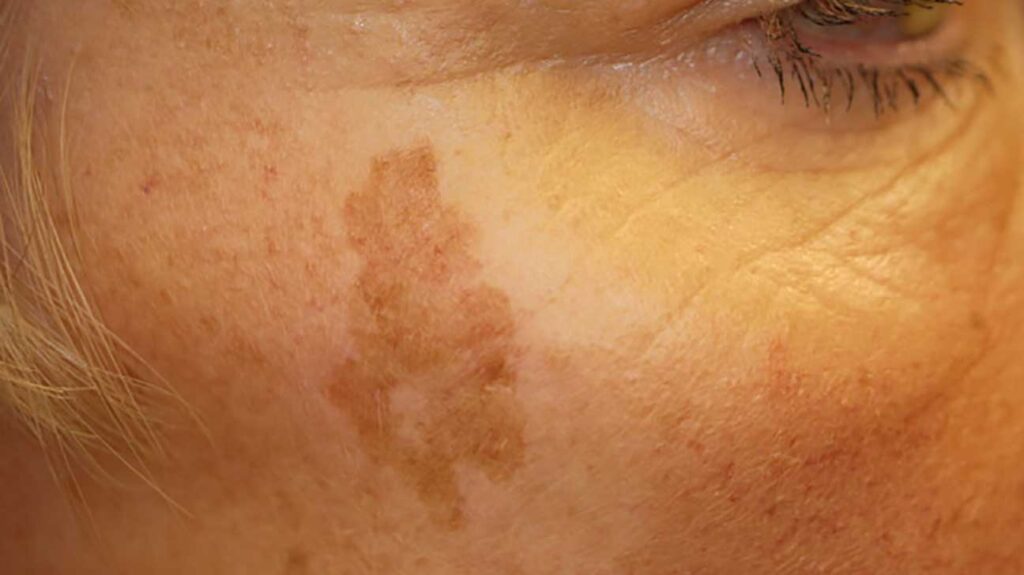
Sunspots, also known as solar lentigines or sun-induced hyperpigmentation (SIH), are a common condition that affects people of all ages. They appear as small, flat spots on the skin, usually brown or tan in color. The spots can be found anywhere on the body, but they’re more noticeable on areas exposed to the sun, such as the face, neck, and hands.
Causes of Sunspots
Sunspots are caused by prolonged exposure to the sun’s ultraviolet (UV) rays. UV radiation stimulates the production of melanin, the pigment responsible for skin color, leading to an increase in skin pigmentation. Other factors that contribute to sunspot formation include:
- Genetics: Some people may be more prone to sunspots due to their genetic makeup.
- Age: As we age, our skin becomes thinner and less able to protect itself from UV radiation, making us more susceptible to sunspots.
- Skin type: People with fair skin are more likely to develop sunspots than those with darker skin tones.
- Vitamin D deficiency: Some research suggests that vitamin D deficiency may contribute to the development of sunspots.
Symptoms of Sunspots
Sunspots can be mistaken for other skin conditions, such as freckles or moles. However, they have distinct characteristics that set them apart:
- Color: Sunspots are typically brown or tan in color.
- Shape: They’re small, flat spots that can range in size from a few millimeters to several centimeters in diameter.
- Location: Sunspots can appear anywhere on the body, but they’re more noticeable on areas exposed to the sun.
Treatment Options for Sunspots
While sunspots are usually harmless, there are treatment options available to help reduce their appearance:
- Topical creams and ointments: Over-the-counter (OTC) or prescription medications containing hydroquinone, retinoids, or kojic acid can help lighten sunspots.
- Chemical peels: A solution is applied to the skin to remove the top layers and reduce melanin production.
- Microdermabrasion: A non-invasive exfoliating treatment that removes dead skin cells and promotes cell turnover.
- Laser therapy: Ablative laser treatments can help reduce the appearance of sunspots by removing the top layers of skin and promoting collagen production.
- Skin brightening products: Products containing ingredients such as vitamin C, niacinamide, or licorice extract can help lighten sunspots over time.
Preventing Sunspots
The best way to prevent sunspots is to practice sun protection:
- Use broad-spectrum sunscreen with at least SPF 30 daily, even on cloudy days.
- Wear protective clothing, including a hat and sunglasses.
- Seek shade when spending time outdoors.
- Avoid tanning beds and artificial sources of UV radiation.
Tips for Managing Sunspots
While sunspots can be unsightly, there are ways to manage their appearance:
- Use makeup to conceal sunspots: Foundation or concealer can help cover up sunspots, especially in areas where they’re more noticeable.
- Exfoliate regularly: Regular exfoliation can help remove dead skin cells and promote cell turnover, which can help reduce the appearance of sunspots.
- Stay hydrated: Drinking plenty of water can help keep your skin healthy and hydrated, reducing the appearance of sunspots.
Common Myths About Sunspots
There are several common myths about sunspots that should be debunked:
- Myth: Sunspots are a sign of poor skin health. Reality: Sunspots are usually harmless and don’t indicate any underlying skin problems.
- Myth: Sunspots can only appear in people with fair skin. Reality: While people with fair skin are more susceptible to sunspots, they can also occur in individuals with darker skin tones.
- Myth: Sunspots will disappear on their own. Reality: While some sunspots may fade over time, others may persist or even darken due to continued exposure to UV radiation.
By understanding the causes of sunspots and using effective treatment options, you can reduce their appearance and enjoy healthy, radiant skin.


