
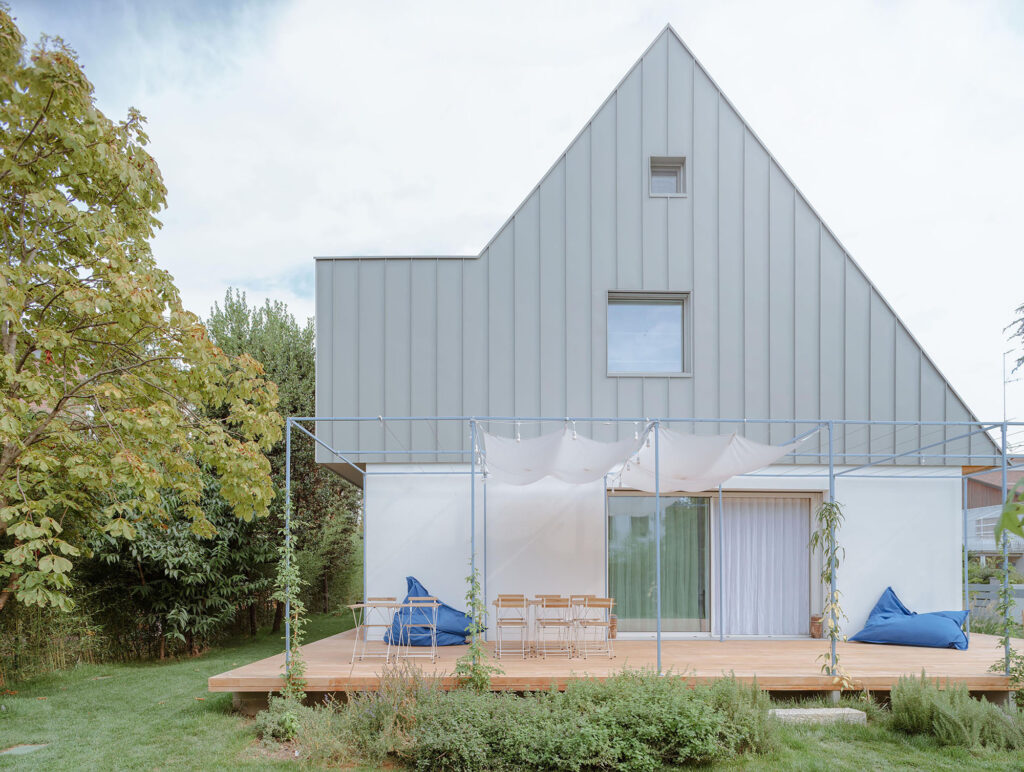
As we strive to create a better future for our planet, the concept of sustainable housing has become increasingly important. A home that not only provides comfort and shelter but also minimizes its impact on the environment is a goal worth striving for. This year’s Eco Casa 2012 exhibition in Reggio Emilia promises to be an event that will inspire and educate us all.
What is Eco Casa 2012?
Eco Casa 2012 is a biennial exhibition that showcases innovative solutions and products for sustainable housing. The event brings together experts, architects, designers, and innovators to share their knowledge and experiences on creating eco-friendly homes. This year’s edition promises to be the most exciting yet, with new products, technologies, and approaches to sustainable building.
The Importance of Sustainable Housing
Sustainable housing is not just a buzzword; it’s a necessity for our planet’s future. As we continue to urbanize and build more structures, we must ensure that these buildings are designed and constructed in a way that minimizes their environmental impact. Eco Casa 2012 aims to raise awareness about the importance of sustainable building practices and provide a platform for innovators to share their ideas.
The Benefits of Sustainable Housing
There are numerous benefits to sustainable housing, including:
- Energy Efficiency: Sustainable homes use less energy, reducing greenhouse gas emissions and reliance on non-renewable sources.
- Water Conservation: Eco-friendly homes often incorporate water-saving technologies, such as low-flow toilets and rainwater harvesting systems.
- Reduced Waste: Sustainable building practices minimize waste generation, promoting a more circular economy.
- Improved Indoor Air Quality: Eco-friendly materials and design strategies improve indoor air quality, creating healthier living spaces.
- Enhanced Resilience: Sustainable homes are designed to withstand natural disasters and extreme weather events.
What Can You Expect at Eco Casa 2012?
This year’s exhibition promises to be an immersive experience, with:
- Seminars and Conferences: Expert-led sessions on sustainable building techniques, energy efficiency, and eco-friendly materials.
- Product Showcases: New products and technologies that promote sustainable living, including eco-friendly materials, renewable energy systems, and innovative building methods.
- Laboratories for Kids: Interactive workshops designed to educate children about sustainable living and environmental issues.
- Open Days: A chance to meet industry experts, learn about the latest trends, and discover new products and services.
The Focus on Mediterranean Architecture
This year’s edition of Eco Casa 2012 will focus on Mediterranean architecture, which is particularly relevant for Italy. The event will explore ways to adapt sustainable building practices to the Mediterranean climate, ensuring that homes are not only eco-friendly but also adapted to the local environment.
Mediterranean Climate and Sustainable Building
The Mediterranean region is characterized by hot summers, mild winters, and high levels of solar radiation. Sustainable building practices in this region must take into account these climatic conditions, incorporating strategies such as:
- Thermal Mass: Using materials with high thermal mass to absorb and release heat, reducing the need for air conditioning and heating.
- Shading Devices: Incorporating shading devices, such as overhangs and awnings, to reduce solar gain and prevent overheating.
- Natural Ventilation: Designing homes that maximize natural ventilation, using techniques such as cross-ventilation and windcatchers.
Aim of the Event: A Sustainable Future
The ultimate goal of Eco Casa 2012 is to create a better future for our planet and its inhabitants. By showcasing innovative solutions and promoting sustainable building practices, we can work towards creating homes that not only minimize their environmental impact but also provide a high quality of life for their occupants.
Frequently Asked Questions
- What is the date of Eco Casa 2012?
Eco Casa 2012 will take place from February 16 to 19, 2012, at the Reggio Emilia Fairground. - Who can attend the exhibition?
The event is open to experts, architects, designers, innovators, and anyone interested in sustainable housing and building practices. - What are the main topics of discussion at Eco Casa 2012?
The focus will be on Mediterranean architecture, energy efficiency, eco-friendly materials, and innovative building techniques. - Will there be workshops for children?
Yes, there will be interactive laboratories designed specifically for kids to learn about sustainable living and environmental issues. - Can I attend a guided tour of high-efficiency buildings outside the exhibition area?
Yes, visitors can take part in guided tours of architecturally impressive buildings that showcase sustainable design and energy efficiency. - What is Abitare Mediterraneo, and why is it being showcased at Eco Casa 2012?
Abitare Mediterraneo is a brand that promotes Mediterranean architecture and sustainable building practices. The event aims to raise awareness about the importance of adapting sustainable design to local environmental conditions.
Conclusion
Eco Casa 2012 promises to be an exciting event that will inspire us all to create better, more sustainable homes for ourselves and future generations. By showcasing innovative solutions, promoting eco-friendly building practices, and fostering a community of like-minded individuals, we can work towards creating a brighter, more sustainable future for our planet.
Call to Action
We invite you to join us at Eco Casa 2012, where we will be exploring the possibilities of sustainable housing in the Mediterranean region. Together, let’s create a better future for our planet and its inhabitants.
Sustainable Housing Resources
For those interested in learning more about sustainable housing and building practices, here are some recommended resources:
- International Energy Agency (IEA): The IEA provides comprehensive information on energy efficiency and renewable energy technologies.
- United Nations Environment Programme (UNEP): UNEP offers guidance on sustainable development and environmental protection.
- European Union’s Directorate-General for Internal Policies: This resource provides information on EU policies and initiatives related to sustainable housing and building practices.
Sustainable Housing Glossary
Here is a list of key terms related to sustainable housing:
- Energy Efficiency: The use of energy-efficient technologies and design strategies to minimize energy consumption.
- Renewable Energy: Energy generated from natural resources, such as solar, wind, and geothermal power.
- Eco-Friendly Materials: Building materials that are environmentally friendly, non-toxic, and sustainable.
- Thermal Mass: The ability of a material to absorb and release heat energy.
- Natural Ventilation: A design strategy that uses natural air movement to provide ventilation.
Case Studies
Here are some examples of sustainable housing projects from around the world:
- Barcelona’s Green Building Initiative: Barcelona’s green building initiative aims to reduce energy consumption by 60% through the use of sustainable materials and design strategies.
- Sustainable Home in Dubai: This sustainable home in Dubai features solar panels, rainwater harvesting systems, and a greywater reuse system to minimize water consumption.
- Eco-Friendly Village in Brazil: This eco-friendly village in Brazil uses locally sourced materials and renewable energy sources to create a self-sufficient community.
Sustainable Housing Tips
Here are some tips for creating a more sustainable home:
- Conduct an Energy Audit: Conducting an energy audit can help identify areas of energy inefficiency in your home.
- Use Energy-Efficient Appliances: Replace traditional appliances with energy-efficient alternatives, such as LED bulbs and energy-star rated appliances.
- Insulate Your Home: Proper insulation can reduce heat loss and minimize energy consumption.
- Harvest Rainwater: Harvesting rainwater can provide a free source of water for irrigation and other household needs.
Conclusion
Sustainable housing is not just a trend; it’s a necessity for our planet’s future. By incorporating sustainable building practices, we can create homes that not only minimize their environmental impact but also provide a high quality of life for their occupants. Join us at Eco Casa 2012 to learn more about the possibilities of sustainable housing and take the first step towards creating a better future for ourselves and future generations.


