
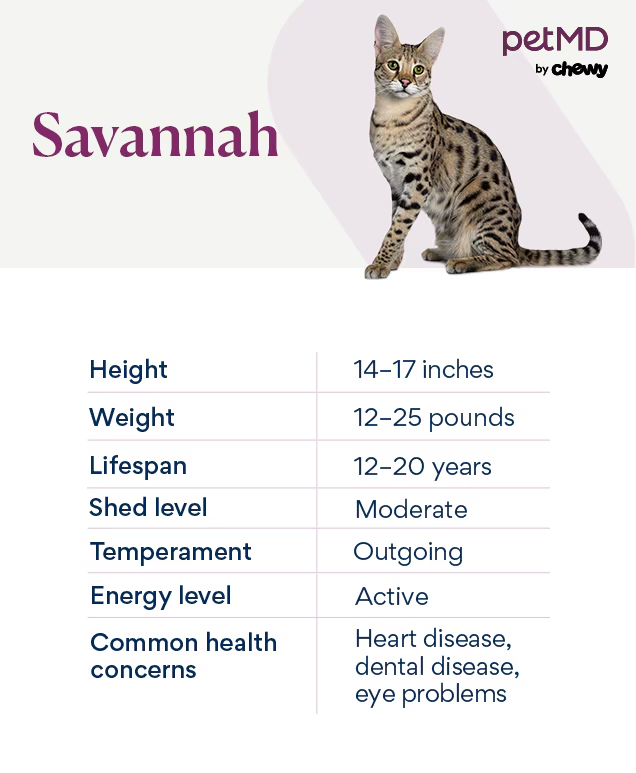
As soon as you hear the word “Savannah,” it’s hard not to think of its wild origins. Wild. Yes, because the Savannah cat is a hybrid between a serval and a domestic cat. The serval, also known as the “gattopardo” or “wild cat,” lives mainly in Africa’s desert regions. That’s why the Savannah cat retains many physical characteristics from its wild ancestor, such as size, ears, and that unmistakable air.
Origins of the Savannah Cat
The first successful breeding of a Savannah cat was on April 7, 1986, by Judee Frank. She crossed a male serval with a Siamese female to produce the first female Savannah cat. It took several years for the breed to receive official recognition, which happened in 2001.
Price of the Savannah Cat
One reason behind the high price of the Savannah cat is its relatively recent recognition as a breed. Another factor contributing to its high cost is that male Savannah cats are sterile until the fifth generation. This makes them difficult to breed and leads to higher prices.
To understand the pricing, you need to know about the different generations (F1-F5) of Savannah cats and their serval content:
- F1: 50% serval
- F2: 25% serval
- F3: 12.5% serval
- F4: 6.25% serval
- F5: 3.125% serval
The price of a Savannah cat increases with each generation due to the decreasing amount of serval in its bloodline.
Size and Weight
Savannah cats come in various sizes, depending on their parents’ sizes and serval content. The largest Savannah cats are typically males from the F1 generation, which can weigh up to 15 kg (33 lbs).
Characteristics of the Savannah Cat
Despite its wild ancestry, the Savannah cat is a friendly and outgoing breed. They love people and enjoy playing with toys, just like any other domestic cat.
Here are some key characteristics:
- Size: Savannah cats come in various sizes, but males from the F1 generation can weigh up to 15 kg (33 lbs).
- Ears: Their ears are large and pointed, similar to those of their serval ancestors.
- Agility: Savannah cats are agile and athletic, with a slender build that allows them to jump long distances.
- Intelligence: They are highly intelligent and can learn quickly.
Savannah cats are known for their playful personalities and affectionate nature. However, they require attention and exercise to stay happy and healthy.
Grooming Needs
Like all cats, Savannah cats need regular grooming to stay clean and healthy. Here are some tips:
- Brushing: Brush your cat regularly to remove loose hair and distribute skin oils.
- Nail trimming: Trim your cat’s nails regularly to prevent overgrowth.
- Dental care: Clean your cat’s teeth regularly to prevent tartar buildup.
Health Considerations
Savannah cats are generally healthy, but like all breeds, they can be prone to certain health issues. Here are some things to watch out for:
- Genetic disorders: Savannah cats can inherit genetic disorders from their serval ancestors.
- Eye problems: They may be prone to eye problems due to their wild ancestry.
- Skin conditions: Savannah cats can develop skin conditions, such as acne or eczema.
Conclusion
The Savannah cat is a unique and fascinating breed that combines the best qualities of both domestic and wild cats. With proper care and attention, they can thrive and become beloved members of your family. Before bringing a Savannah cat into your home, consider their size, temperament, and grooming needs to ensure you’re prepared to provide the best possible life for this special animal.
Frequently Asked Questions (FAQs)
- What is the price of a Savannah cat?
- The price of a Savannah cat depends on its generation, with F1 cats being the most expensive.
- How big can Savannah cats get?
- Males from the F1 generation can weigh up to 15 kg (33 lbs).
- Are Savannah cats easy to groom?
- Yes, they require regular brushing and nail trimming.
- Can Savannah cats inherit genetic disorders?
- Yes, Savannah cats may inherit genetic disorders from their serval ancestors.
- How often should I bathe my Savannah cat?
- Bathing is not necessary for Savannah cats, as they are self-cleaning animals.
- What health issues can Savannah cats be prone to?
- They may be prone to eye problems, skin conditions, and genetic disorders.
-
Can Savannah cats get along with other pets?
- Yes, they can get along well with other pets if socialized properly from an early age.
-
How often should I take my Savannah cat for a walk?
- It’s not necessary to take your Savannah cat for walks, as they are indoor animals.
-
Can Savannah cats be left alone for long periods of time?
- Yes, but it’s recommended to provide plenty of attention and stimulation during the day.
-
What are some common health issues in Savannah cats?
- They may be prone to eye problems, skin conditions, and genetic disorders.
-
How much exercise does my Savannah cat need?
- Savannah cats require regular playtime and exercise to stay healthy and happy.
-
Can I feed my Savannah cat a commercial cat food?
- Yes, but it’s recommended to provide a balanced diet that includes fresh meat, fish, or vegetables.
-
How often should I take my Savannah cat for veterinary check-ups?
- It’s recommended to take your Savannah cat for regular veterinary check-ups to monitor their health and detect any potential issues early on.
-
Can I breed my Savannah cat with another Savannah cat?
- Yes, but it requires careful consideration of the genetic risks involved.
-
How long do Savannah cats live?
- Savannah cats can live up to 12-15 years with proper care and attention.
By answering these questions, you’ll have a better understanding of what it takes to care for a Savannah cat and ensure they live happy, healthy lives.


