
Introduction
As the world shifts towards a more sustainable future, pellet stoves have become an increasingly popular choice for home heating. But what exactly are pellet stoves, and how do they compare to traditional wood-burning stoves? In this article, we’ll delve into the world of pellet stoves, exploring their benefits, costs, installation requirements, and more.
What is a Pellet Stove?
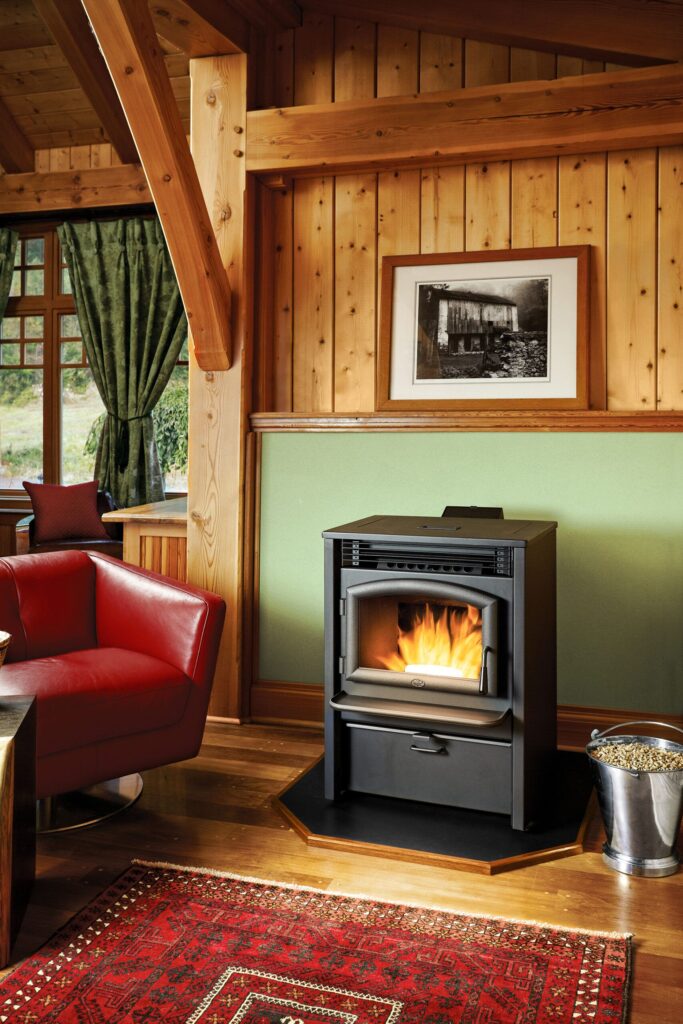
A pellet stove is a type of heating appliance that burns compressed biomass pellets, made from renewable sources such as agricultural waste, forestry residues, and urban waste. These pellets are produced through a process called pyrolysis, which breaks down the organic material into a combustible fuel.
Environmental Benefits of Pellet Stoves
Pellet stoves offer several environmental benefits compared to traditional wood-burning stoves:
- Reduced Greenhouse Gas Emissions: Burning biomass pellets produces significantly fewer greenhouse gas emissions than burning fossil fuels or traditional wood.
- Less Air Pollution: Pellet stoves produce fewer particulate matter and other pollutants that contribute to air quality issues.
- Sustainable Energy Source: Biomass is a renewable energy source, reducing our reliance on finite fossil fuels.
Cost Benefits of Pellet Stoves
Pellet stoves also offer several cost benefits:
- Lower Operating Costs: Burning biomass pellets can be significantly cheaper than burning traditional wood or fossil fuels.
- Reduced Maintenance: Pellet stoves require less maintenance than traditional wood-burning stoves, as they produce fewer emissions and require less frequent cleaning.
Heat Output and Comfort
Pellet stoves are designed to provide efficient heat output:
- Higher Heat Output: Pellet stoves can achieve higher heat outputs compared to traditional wood-burning stoves.
- Improved Comfort: Burning biomass pellets produces a cleaner, more efficient burn that provides improved comfort and warmth.
Installation Requirements
Pellet stoves require careful installation to ensure safe and efficient operation:
- Proper Ventilation: Adequate ventilation is necessary to remove combustion byproducts safely.
- Correct Installation: Pellet stoves must be installed according to the manufacturer’s instructions and local building codes.
Types of Pellet Stoves
There are various types of pellet stoves available, catering to different needs and spaces:
- Free-Standing Pellet Stoves: Compact, self-contained units that can be placed anywhere in the home.
- Insert Pellet Stoves: Designed for installation into existing wood-burning fireplaces or chimneys.
- Hearth Pellet Stoves: Large, central units that provide heat to an entire room.
Maintenance and Upkeep
Pellet stoves require regular maintenance to ensure optimal performance:
- Clean the Burner: Regularly clean the burner and other components to prevent ash buildup.
- Monitor Carbon Monoxide Levels: Ensure proper ventilation to avoid carbon monoxide buildup.
FAQs
- What is the most common fuel source for pellet stoves?
- How do I install a pellet stove in my home?
- What are the benefits of using a pellet stove over traditional wood-burning stoves?
- Can pellet stoves be used to heat water for radiators?
- Are pellet stoves suitable for outdoor use?
Choosing the Right Pellet Stove
When selecting a pellet stove, consider the following factors:
- Fuel Type: Choose a pellet stove that burns your preferred type of biomass.
- Heat Output: Select a stove with an output that suits your heating needs.
- Efficiency: Look for stoves with high efficiency ratings to minimize fuel consumption.
Safety Considerations
Pellet stoves can pose safety risks if not installed or operated correctly:
- Carbon Monoxide Poisoning: Ensure proper ventilation to prevent carbon monoxide buildup.
- Fire Hazards: Keep the stove at least 12 inches away from combustible materials.
- Burner Maintenance: Regularly clean the burner and other components to prevent ash buildup.
Conclusion
Pellet stoves offer a sustainable and efficient alternative to traditional wood-burning stoves. By understanding their benefits, costs, installation requirements, and maintenance needs, you can make an informed decision about whether this heating solution is right for your home or business. With the increasing demand for renewable energy sources, pellet stoves are becoming an increasingly popular choice for those looking to reduce their carbon footprint and save on energy costs.
Additional Resources
For more information on pellet stoves, consider consulting the following resources:
- National Association of Pellet Stove Manufacturers: A trade organization dedicated to promoting the benefits and efficiency of pellet stoves.
- U.S. Environmental Protection Agency (EPA): The EPA provides guidance on sustainable energy sources and reducing greenhouse gas emissions.
- Local Government Regulations: Check with your local government for regulations and guidelines on installing and operating pellet stoves.
By staying informed and up-to-date on the latest developments in pellet stove technology, you can make an educated decision about this sustainable heating solution.


