
As an avid gardener, you know how crucial fertilizers are for a bountiful harvest. But have you ever wondered what’s behind the term “fertilizer”? Is it just a buzzword or does it hold real significance? Let’s dive into the world of fertilizers and explore the age-old debate between organic and chemical options.
What is Fertilizer?
A fertilizer is any substance that contributes to soil fertility, improving its ability to support plant growth. But not all fertilizers are created equal. The type of fertilizer you choose can have a significant impact on your garden’s health and the environment.
Organic vs. Chemical Fertilizers: The Key Differences
Fertilizers can be broadly categorized into two types: organic and chemical. Each has its own unique characteristics, benefits, and drawbacks.
Organic Fertilizers
Organic fertilizers are derived from natural sources such as animal waste, plant matter, or microorganisms. They’re biodegradable, non-toxic, and environmentally friendly. Organic fertilizers work by:
- Providing nutrients to plants through the soil
- Improving soil structure and fertility
- Supporting beneficial microorganisms in the soil
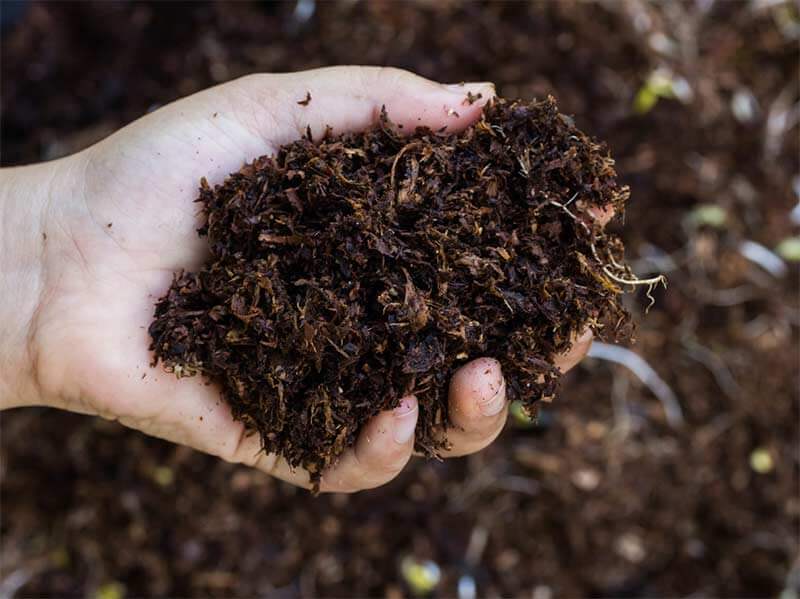
Examples of organic fertilizers include compost, manure, fish emulsion, and bone meal.
Chemical Fertilizers
Chemical fertilizers, on the other hand, are synthetic products made from chemical compounds. They’re often faster-acting than organic fertilizers but can have negative consequences for the environment and human health.
- Chemical fertilizers contain nitrogen, phosphorus, and potassium (NPK) in varying proportions
- They work by providing immediate nutrients to plants through rapid absorption
- However, they can also lead to soil degradation, water pollution, and reduced beneficial microorganisms
Examples of chemical fertilizers include urea, ammonium nitrate, and diammonium phosphate.
The Risks of Chemical Fertilizers
While chemical fertilizers may provide quick results, their use can have severe consequences:
- Soil degradation: Chemical fertilizers can alter the soil’s pH levels and reduce its fertility
- Water pollution: Excess nutrients from chemical fertilizers can enter waterways, causing algae blooms and harming aquatic life
- Reduced beneficial microorganisms: Chemical fertilizers can wipe out beneficial microbes in the soil, leading to a decline in soil health
The Benefits of Organic Fertilizers
Organic fertilizers offer numerous benefits for gardeners and the environment:
- Environmentally friendly: Organic fertilizers are biodegradable and non-toxic, reducing harm to wildlife and ecosystems
- Improved soil fertility: Organic fertilizers promote beneficial microorganisms, improving soil structure and fertility
- Sustainable gardening practices: By using organic fertilizers, you’re adopting sustainable gardening methods that reduce reliance on synthetic products
DIY Fertilizer: Make Your Own Compost
One of the most effective ways to utilize organic fertilizers is by creating your own compost. It’s a simple and cost-effective way to enrich your soil with nutrients:
- Collect kitchen scraps, leaves, and other organic materials
- Mix the materials together in a designated container
- Allow the mixture to decompose, creating a nutrient-rich compost
Understanding Soil pH
Soil pH is an important factor to consider when choosing a fertilizer. Most plants prefer a slightly acidic to neutral soil pH, between 6.0 and 7.0.
- If your soil is too acidic, adding lime can help raise the pH
- If your soil is too alkaline, adding sulfur or peat moss can help lower the pH
Using Compost Tea for Plant Growth
Compost tea is a liquid fertilizer made by steeping compost in water. It’s an excellent way to provide beneficial microorganisms to your plants:
- Steep 1 cup of compost in 5 gallons of water for 24 hours
- Strain the liquid and use it as a foliar spray or add it to your soil
The Future of Fertilizers
As concerns about climate change, soil health, and environmental sustainability grow, the demand for organic fertilizers is increasing. Innovations in fertilizer technology are also leading to more sustainable options:
- Biofertilizers: Microbial inoculants that promote beneficial microorganisms
- Organic amendments: Natural products like fish emulsion, bone meal, and alfalfa meal
Conclusion
The choice between organic and chemical fertilizers depends on your gardening goals, preferences, and values. By understanding the differences between these two types of fertilizers, you can make informed decisions about which option is best for your garden and the environment.
Frequently Asked Questions
Q: What are the benefits of using organic fertilizers?
A: Organic fertilizers offer numerous benefits, including environmentally friendly, improved soil fertility, and sustainable gardening practices.
Q: Are chemical fertilizers safe to use?
A: Chemical fertilizers can be hazardous to human health and the environment if not used properly. They can lead to soil degradation, water pollution, and reduced beneficial microorganisms.
Q: How do I make my own compost at home?
A: To create your own compost, collect kitchen scraps, leaves, and other organic materials. Mix them together in a designated container and allow the mixture to decompose, creating a nutrient-rich compost.
Q: Can chemical fertilizers be used in conjunction with organic fertilizers?
A: While it’s possible to use both types of fertilizers, it’s generally recommended to opt for one or the other. Using both can lead to conflicting nutrient levels and reduced soil health.
Q: How long does it take to create compost at home?
A: The time it takes to create compost at home depends on factors such as temperature, moisture, and carbon-to-nitrogen ratios. On average, compost can be ready in 2-6 months.
Q: Are there any alternatives to chemical fertilizers?
A: Yes, there are several alternatives to chemical fertilizers, including using cover crops, adding green manure, and incorporating organic amendments like fish emulsion or bone meal.
By understanding the differences between organic and chemical fertilizers, you can make informed decisions about which option is best for your garden and the environment.


