
As we navigate the complex world of nutrition, it’s easy to get caught up in the latest trends and fads. But amidst all the noise, there’s one simple yet powerful truth that deserves our attention: protein-rich vegetables are the unsung heroes of the culinary world.
In this article, we’ll delve into the fascinating world of protein-rich vegetables, exploring their unique characteristics, benefits, and how to incorporate them into your diet. Whether you’re a vegan or just looking to mix things up, these nutrient-dense superfoods will revolutionize the way you think about food.
What are Protein-Rich Vegetables?
Protein-rich vegetables are a category of vegetables that contain higher amounts of protein compared to others. While not as high in protein as animal-based foods like meat and eggs, these veggies still pack a nutritional punch. In fact, some may argue that plant-based sources of protein are more efficient for our bodies.
The Top Protein-Rich Vegetables
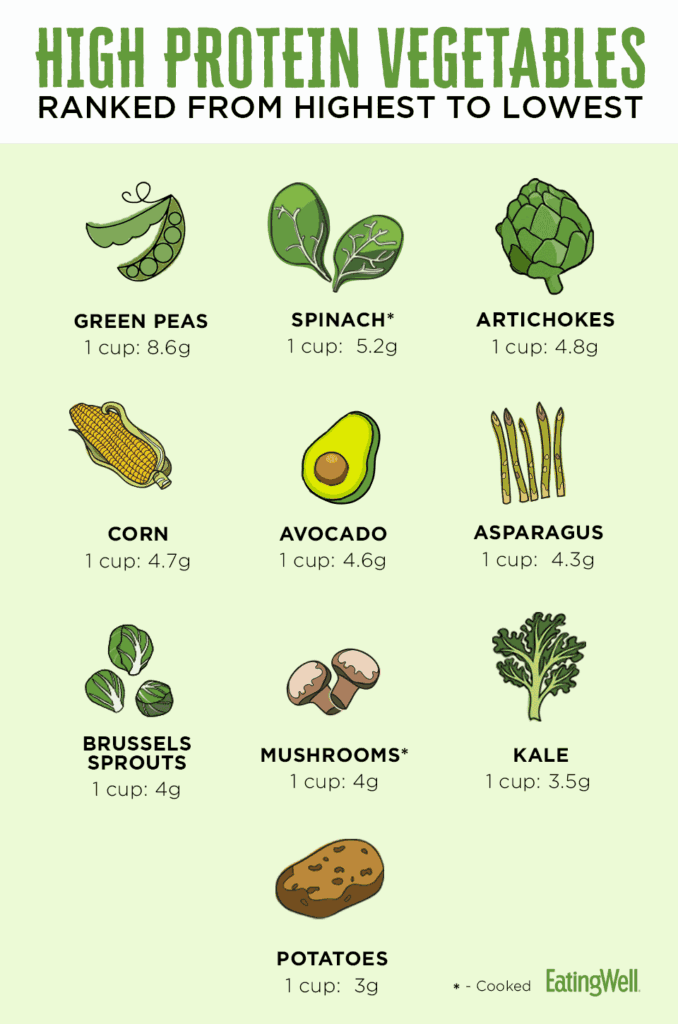
Let’s meet the top protein-rich vegetables you should know:
- Mushrooms: With around 3.5 grams of protein per 100 grams, mushrooms are an excellent source of plant-based protein.
- Cavolo Cappuccio (Broccoli): Rich in fiber, vitamins, and minerals, broccoli boasts approximately 4 grams of protein per 100 grams.
- Asparagi: These tasty spears contain about 3.6 grams of protein per 100 grams.
- Spinaci: Packed with iron, calcium, and vitamins A and K, spinach contains around 3.4 grams of protein per 100 grams.
The Benefits of Fermented Protein-Rich Vegetables
Fermentation is the process of allowing microorganisms to break down the natural sugars in food, creating lactic acid and preserving the nutrients. When it comes to protein-rich vegetables, fermentation can enhance their nutritional value.
Here are some benefits of fermented protein-rich vegetables:
- Increased Bioavailability: Fermentation increases the bioavailability of proteins, making them easier for our bodies to absorb.
- Improved Digestibility: Fermented vegetables have been shown to improve digestion and reduce symptoms of irritable bowel syndrome (IBS).
- Boosted Immune System: The probiotics present in fermented vegetables can help support a healthy gut microbiome.
Protein-Rich Vegetables: A Game-Changer for Our Health
Incorporating protein-rich vegetables into our diets can have a significant impact on our overall health and wellbeing. By choosing these nutrient-dense foods, we can:
- Reduce the Risk of Chronic Diseases: Consuming high amounts of fiber, vitamins, and minerals can help lower cholesterol levels, blood pressure, and risk of chronic diseases like heart disease and diabetes.
- Support Healthy Weight Management: Protein-rich vegetables can help keep us feeling full and satisfied, making it easier to maintain a healthy weight.
- Enhance Cognitive Function: The antioxidants present in these veggies have been shown to improve cognitive function and reduce the risk of age-related cognitive decline.
Incorporating Protein-Rich Vegetables into Your Diet
So, how can you start incorporating more protein-rich vegetables into your diet? Here are some simple tips:
- Start with Small Changes: Begin by adding one or two servings of protein-rich veggies to your daily meals.
- Experiment with New Recipes: Try new recipes that feature these nutrient-dense foods as the main ingredient.
- Make it Fun: Get creative and make mealtime more enjoyable by incorporating protein-rich vegetables into your favorite dishes.
Conclusion
Protein-rich vegetables are a powerhouse of nutrition, offering a wealth of benefits for our overall health and wellbeing. By incorporating these nutrient-dense superfoods into our diets, we can reduce the risk of chronic diseases, support healthy weight management, and enhance cognitive function. So, go ahead and get creative with protein-rich veggies – your body will thank you!
Frequently Asked Questions
- What is the highest protein content in a single serving of vegetables?
- How do fermented proteins differ from non-fermented ones?
- Can anyone benefit from incorporating more protein-rich vegetables into their diet?
- Are there any specific health benefits associated with consuming protein-rich vegetables?
- Can I substitute protein-rich vegetables for animal-based sources in my diet?
Let’s dive deeper into the fascinating world of protein-rich vegetables and explore how they can transform your relationship with food. Whether you’re looking to boost your energy levels, support healthy weight management, or simply feel more connected to your body, these nutrient-dense superfoods are here to help.
The Science Behind Protein-Rich Vegetables
Protein-rich vegetables contain a unique combination of amino acids, which can be found in both plant-based and animal-based foods. However, the way our bodies process these amino acids differs significantly.
When we consume protein from animal sources, like meat or eggs, our body absorbs it directly into the bloodstream. In contrast, when we eat protein-rich vegetables, they need to undergo digestion before being absorbed by the body.
How Does Protein-Rich Vegetables Affect Our Gut Health?
The gut microbiome plays a crucial role in our overall health and wellbeing. When we consume protein-rich vegetables, it can have a significant impact on our gut health.
- Probiotics: Fermented proteins contain probiotics, which are beneficial bacteria that help maintain a healthy balance of gut flora.
- Prebiotics: Some protein-rich vegetables, like asparagus, contain prebiotics, which feed the good bacteria in our gut, promoting a healthy microbiome.
The Impact of Protein-Rich Vegetables on Our Energy Levels
Protein-rich vegetables can have a significant impact on our energy levels. Here’s why:
- Complex Carbohydrates: Many protein-rich vegetables are rich in complex carbohydrates, which provide sustained energy release.
- Fiber Content: Fiber is an essential nutrient that helps regulate blood sugar levels and provides a feeling of fullness, reducing the need for snacks.
Incorporating Protein-Rich Vegetables into Your Workout Routine
Protein-rich vegetables can be a valuable addition to your workout routine. Here’s how:
- Muscle Recovery: Consuming protein-rich vegetables after a workout can help promote muscle recovery and reduce muscle soreness.
- Increased Satiety: The fiber content in these veggies can help keep you feeling full, reducing the need for post-workout snacks.
Conclusion
Protein-rich vegetables are an essential part of a balanced diet, offering a wealth of benefits for our overall health and wellbeing. By incorporating these nutrient-dense superfoods into our diets, we can reduce the risk of chronic diseases, support healthy weight management, and enhance cognitive function. So, go ahead and get creative with protein-rich veggies – your body will thank you!


