
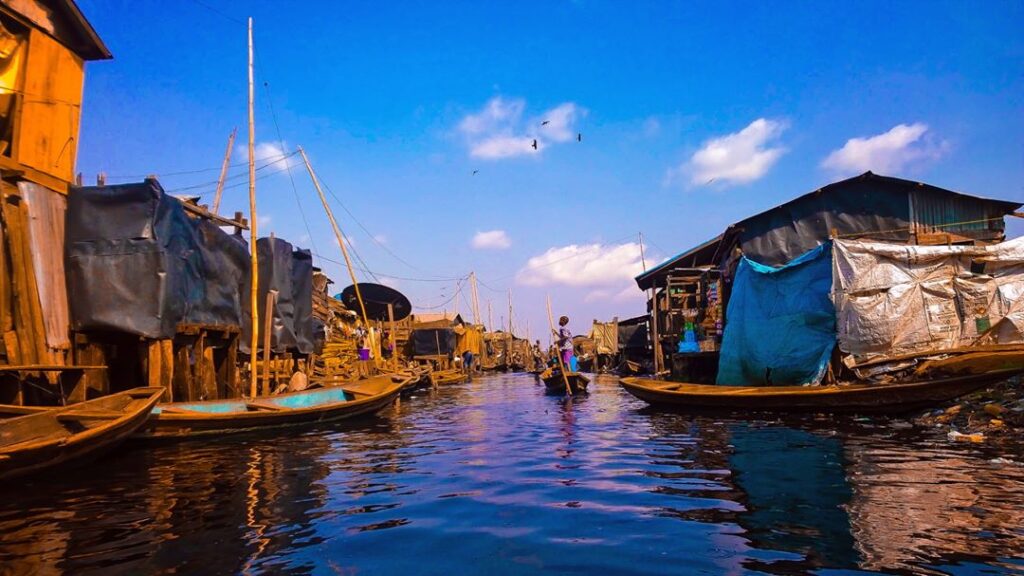
In Africa, particularly in Nigeria, the concept of floating schools is gaining attention as a potential solution to the region’s urban challenges. Inspired by Asian initiatives, such as those found in Bangladesh, where non-profit organizations have built solar-powered, flood-resistant schools, a similar project is underway in Lagos. In this article, we will explore the story of Makoko, a community of 250,000 residents who are struggling with the consequences of rapid urbanization and lack of infrastructure.
The Problem: Inadequate Education and Infrastructure
In Nigeria, access to quality education is limited, especially for children living in poverty-stricken areas. The frequent flooding of Lagos, caused by the presence of a large lake, has further exacerbated the situation. Without a reliable electricity grid, schools are often forced to close due to power outages, leaving students without a place to learn.
The lack of infrastructure also affects other aspects of daily life for Makoko residents. Streets are often impassable during heavy rainfall, and makeshift homes built on stilts above the water provide little protection against flooding or storm surges. The community’s reliance on boats and canoes as transportation means is further complicated by the need to avoid flooded areas.
The Solution: Floating Schools
Enter Kunlé Adeyemi, a Nigerian architect who is working to address this issue. Adeyemi’s team has been building floating schools using sustainable materials and techniques, inspired by the concept of bio-engineering. These floating structures can provide education, shelter, and recreational spaces for the community.
The design of the floating school takes into account the challenges faced by Makoko residents. The structure is designed to be resilient to flooding and windstorms, with a sturdy foundation made from recycled plastic waste that provides structural support while minimizing environmental impact.
The Makoko Community
Makoko is a neighborhood in Lagos that consists entirely of makeshift homes built on stilts above the water. With no access to electricity or proper infrastructure, the residents have been forced to live in precarious conditions. Adeyemi’s team aims to replace these temporary shelters with more dignified floating homes that can provide a safe and healthy living environment for the community.
The community is made up of 250,000 residents who are struggling to make ends meet due to poverty and lack of access to basic services like healthcare and sanitation. The presence of the lake has created an environment conducive to disease transmission, with outbreaks of malaria, cholera, and other water-borne illnesses common in the area.
The Floating School Project
Adeyemi’s team has already begun constructing a three-story school on stilts, using recycled plastic waste as its base. The 108-square-meter structure will accommodate up to 100 students aged 4-12 and incorporate solar panels to provide electricity. Rainwater collection systems will also be implemented to ensure access to clean water.
The construction of the floating school is a complex process that requires careful planning and execution. Adeyemi’s team has had to navigate bureaucratic hurdles and secure funding from local authorities, while also ensuring that the structure meets all safety standards and regulations.
The Benefits
Adeyemi’s floating schools offer several benefits to the community:
- Improved sanitation: The floating structures can provide a safe and hygienic environment for students, reducing the risk of disease transmission.
- Increased accessibility: Floating schools can reach areas inaccessible by traditional infrastructure, providing educational opportunities to those who need them most.
- Sustainable design: Using recycled materials and solar power reduces the carbon footprint of these floating structures.
Conclusion
The Makoko community’s story highlights the importance of innovative solutions to address urban challenges. Adeyemi’s floating schools represent a beacon of hope for Nigeria’s youth, providing access to quality education and a healthy living environment. As we look to the future, it is essential to prioritize sustainable design and social responsibility in our efforts to build better communities.
FAQs
- What inspired Kunlé Adeyemi to create floating schools?
- Adeyemi was motivated by the need to address the lack of access to quality education and infrastructure in Nigeria’s urban areas.
- How are the floating schools constructed?
- The buildings are made from recycled plastic waste, which provides structural support while minimizing environmental impact.
- What benefits do the floating schools offer to the community?
- Improved sanitation, increased accessibility, and sustainable design make these structures a valuable resource for Makoko residents.
- Will the floating schools replace traditional schools entirely?
- Adeyemi’s goal is to create an integrated education system that combines traditional schools with floating infrastructure, addressing specific needs in urban areas.
- How does the school incorporate solar power and rainwater collection systems?
- The solar panels provide electricity for lighting and other essential services, while the cisterns collect and store rainwater for use in hygiene facilities.
- Can you describe the floating school’s layout and capacity?
- The three-story structure accommodates up to 100 students aged 4-12 and features a rooftop solar panel array and water collection system.
- What is Adeyemi’s vision for the Makoko community?
- He aims to create an entire floating community that incorporates sustainable design, education, and recreational spaces, providing a better quality of life for residents.
- How can readers support this initiative?
- By spreading awareness about the importance of innovative solutions and sustainable infrastructure, individuals can help bring attention to Adeyemi’s project and inspire similar initiatives worldwide.
The Makoko community’s story is a powerful reminder of the need for sustainable urban planning and design. As we look to the future, it is essential that we prioritize social responsibility and environmental sustainability in our efforts to build better communities.


