
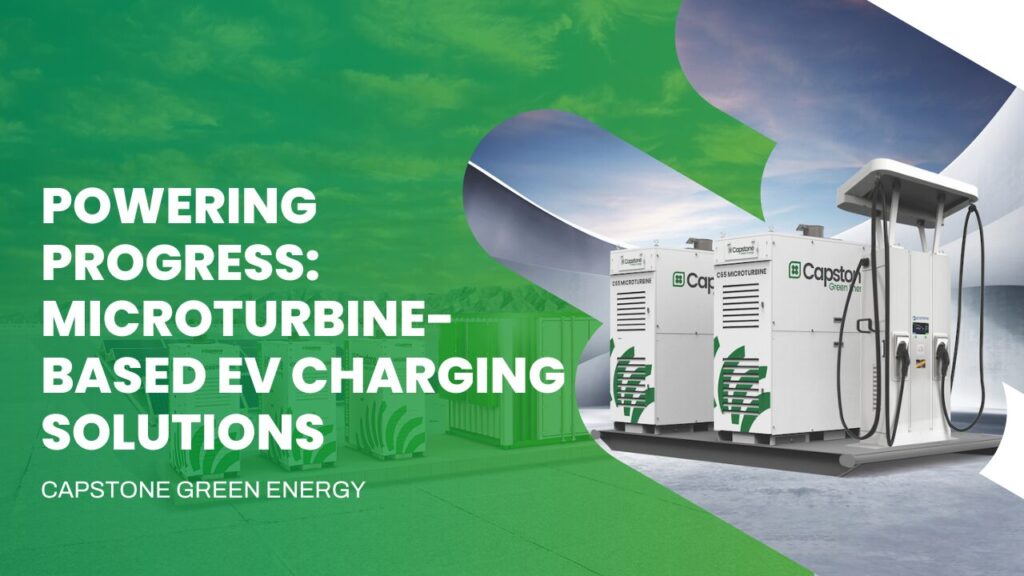
Microturbines are small but mighty generators of electricity that have captured the attention of innovators and environmentally conscious individuals alike. The latest winner of the Fondazione Mind The Bridge selection, this microturbinia is a game-changer in the world of renewable energy. In this article, we’ll delve into the world of microturbines, exploring their capabilities, benefits, and potential applications.
What is a Microturbine?
In simple terms, a microturbine is a portable generator that harnesses the power of compressed air to produce electricity. Measuring just 14mm in diameter, this tiny powerhouse is capable of producing up to 30 Watts of power with an input pressure of approximately 1 atmosphere. With a lifespan of 10 years and no maintenance required, microturbines are poised to disrupt the energy landscape.
History of Microturbines
The concept of microturbines dates back to the early 20th century, when inventors began experimenting with small-scale turbine designs. However, it wasn’t until recent years that advancements in materials science and engineering have made microturbines a viable alternative for renewable energy production.
How Does it Work?
The principle behind microturbines is similar to that of larger turbines used in power plants and aircraft engines. By compressing air through a specially designed nozzle, the energy is converted into mechanical energy, which is then converted into electricity using an internal generator. This innovative design allows for unparalleled efficiency and compactness.
Key Components
Microturbines consist of several key components:
- Nozzle: The nozzle is responsible for compressing air to the required pressure.
- Generator: The generator converts mechanical energy into electrical energy.
- Compressor: The compressor helps to maintain a consistent flow rate and pressure.
- Control System: The control system regulates the turbine’s operation, ensuring optimal performance.
Why is it Green?
Unlike traditional power sources, microturbines generate electricity from compressed air rather than combustion processes, making them a cleaner and more environmentally friendly option. This reduced carbon footprint has significant implications for industries such as oil and gas, transportation, and energy production.
Technological Innovations
Microturbines boast several cutting-edge technologies that make them an attractive solution for various applications:
- Integration of electronics and mechanics: By housing both the electrical and mechanical components within a single unit, microturbines eliminate the need for complex interfaces and reduce manufacturing costs.
- Wireless communication: A built-in wireless module enables real-time data transmission to remote operators, streamlining monitoring and maintenance processes.
- Energy harvesting: Microturbines can be integrated into existing systems to capture and utilize waste energy, further increasing their efficiency.
Potential Applications
Microturbines have the potential to revolutionize various industries and applications:
- Gas monitoring: By deploying microturbines in gas pipes, companies can monitor pressure and detect leaks more efficiently.
- Industrial automation: Microturbines can power sensors and devices within industrial settings, reducing energy costs and enhancing overall efficiency.
- Remote areas: In regions without access to traditional energy infrastructure, microturbines offer a reliable and sustainable solution for powering essential services.
Awards and Recognition
Microturbines have already garnered significant attention and accolades:
- Fondazione Mind The Bridge selection
- Silicon Valley investment pitch
- “Start Cup Ricerca- il Sole 24Ore” award
Future Developments
As research continues, we can expect microturbines to play an increasingly prominent role in the global energy landscape. With ongoing evaluations of new applications and the definition of a business model that optimizes their widespread adoption, it’s clear that the future of renewable energy is looking brighter than ever.
Challenges and Limitations
While microturbines show great promise, there are still several challenges and limitations to be addressed:
- Scalability: As demand for microturbines grows, manufacturers must develop strategies to increase production efficiency.
- Standardization: Standardizing microturbine designs will facilitate compatibility and interoperability across different industries.
- Cost-effectiveness: Reducing the cost of microturbinias is crucial to making them a viable alternative for widespread adoption.
Conclusion
Microturbines represent a significant step forward in the pursuit of sustainable energy production. By harnessing the power of compressed air, these tiny generators have the potential to transform various industries and applications. As research and development continue, we can expect microturbines to play an increasingly prominent role in shaping our energy future.
Frequently Asked Questions
- What is the typical lifespan of a microturbine?
- Microturbines have a lifespan of approximately 10 years.
- How much power can a microturbine produce?
- A single microturbine can generate up to 30 Watts of electricity.
- Are microturbines environmentally friendly?
- Yes, microturbines use compressed air to generate electricity rather than combustion processes, making them a cleaner and more sustainable option.
- Can microturbines be used in remote areas?
- Yes, microturbines can power essential services in regions without access to traditional energy infrastructure.
- How do microturbines communicate with operators remotely?
- Microturbines feature a built-in wireless module that enables real-time data transmission to remote operators.
By embracing the power of microturbines, we can unlock new possibilities for sustainable energy production and reduce our reliance on traditional sources.


