
Introduction
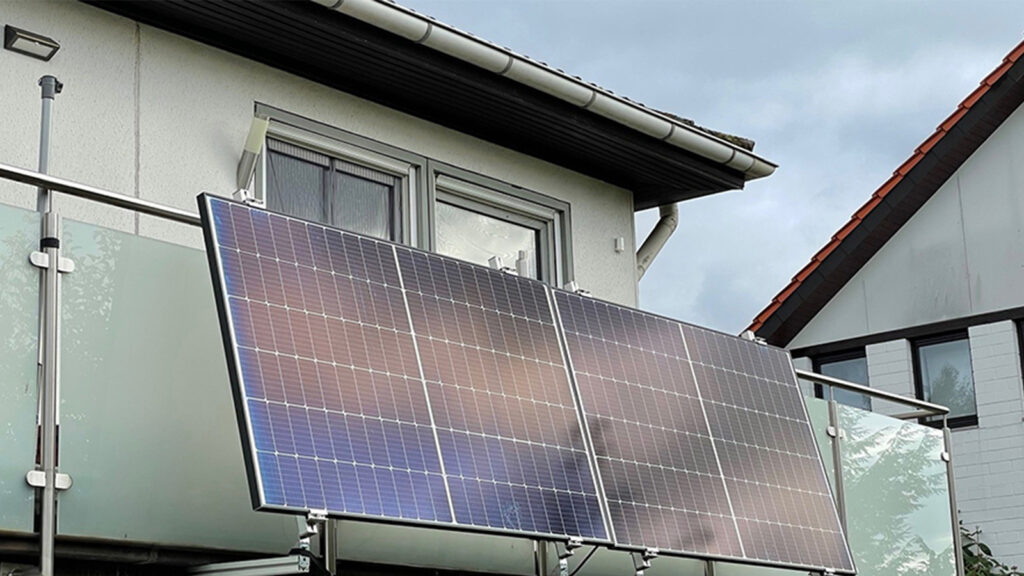
In recent years, there has been a growing trend towards renewable energy sources, and solar power has become an increasingly popular choice. One way to tap into this energy is by installing a small solar system on your balcony or terrace. In this article, we will explore the benefits of small solar systems, their applications, and some of the latest options available in the market.
Benefits of Small Solar Systems
While small solar systems may not be able to power an entire home, they can still provide a significant amount of energy and reduce your carbon footprint. According to studies, installing a small solar system on your balcony or terrace can save you around 200 euros per year on your electricity bills. This may not seem like a lot, but it adds up over time.
In addition to the financial benefits, small solar systems also offer several other advantages. They are:
- Environmentally friendly: Solar energy is a clean and renewable source of power, producing no greenhouse gas emissions or pollution.
- Low maintenance: Small solar systems require minimal maintenance, making them a great option for busy individuals.
- Space-efficient: These systems can be installed on small balconies or terraces, making them perfect for urban dwellers.
Applications of Small Solar Systems
Small solar systems are ideal for individuals who have limited space or no access to traditional energy sources. They are perfect for powering small devices such as:
- Lamps
- Fridges
- Computers
- Chargers (for phones, laptops, etc.)
In addition to these applications, small solar systems can also be used to charge batteries, providing a backup power source during outages.
Types of Small Solar Systems
There are several types of small solar systems available in the market, each with its unique features and benefits. Some of the most popular options include:
- Pop Solaris: A compact solar panel system designed for small spaces, such as balconies or terraces.
- Pyppy: A domestic solar system that can be installed on your balcony or terrace and provides a steady supply of electricity.
- EnergyGate by Invent: An integrated solar system that combines photovoltaics with energy storage, providing a reliable source of power.
How Small Solar Systems Work
Small solar systems work by converting sunlight into electricity using photovoltaic cells. These cells are made from semiconducting materials and are designed to maximize energy production while minimizing heat generation.
The process works as follows:
- Solar radiation: Sunlight hits the solar panels, generating a flow of electrons.
- Electron flow: The electrons flow through the photovoltaic cells, producing an electrical current.
- Inverter conversion: The electrical current is converted into usable electricity using an inverter.
Benefits for Zero Emission Homes
For individuals who strive to live a zero-emission lifestyle, small solar systems can be an excellent starting point. By installing a small solar system on your balcony or terrace, you can significantly reduce your carbon footprint and contribute to a cleaner environment.
In addition to the environmental benefits, small solar systems also offer several other advantages for zero emission homes. They are:
- Renewable energy source: Solar power is a renewable energy source, providing a sustainable alternative to fossil fuels.
- Energy independence: Small solar systems can provide a reliable source of electricity, reducing your reliance on the grid and enhancing energy independence.
Investment and Return on Investment
The investment required for small solar systems varies depending on the size and type of system. However, with proper installation and maintenance, these systems can provide a significant return on investment over time.
In addition to the financial benefits, small solar systems also offer several other advantages in terms of investment and return on investment. They are:
- Low upfront costs: Small solar systems typically require minimal upfront costs, making them an affordable option for individuals.
- Long-term savings: With proper installation and maintenance, small solar systems can provide significant long-term savings on electricity bills.
Conclusion
In conclusion, small solar systems are an excellent way to harness the power of renewable energy and reduce your carbon footprint. With their compact design, low maintenance requirements, and cost-effective solutions, they are perfect for individuals who want to make a positive impact on the environment while saving money on their electricity bills. Whether you’re looking to power small devices or charge batteries during outages, small solar systems offer a reliable source of energy that can help you live a more sustainable lifestyle.
FAQs
- Q: How much energy can I expect to save with a small solar system?
A: With proper installation and maintenance, small solar systems can save you around 200 euros per year on your electricity bills. - Q: What types of devices can I power with a small solar system?
A: Small solar systems are ideal for powering small devices such as lamps, fridges, computers, and more. - Q: How long do small solar systems last?
A: The lifespan of small solar systems varies depending on the quality of the panels and the installation. However, with proper maintenance, they can last up to 20 years or more. - Q: Can I use my small solar system during power outages?
A: Yes, many small solar systems come with built-in battery storage, allowing you to charge devices during outages and maintain a steady supply of electricity. - Q: How much does it cost to install a small solar system?
A: The cost of installing a small solar system varies depending on the size and type of system. However, with proper installation and maintenance, these systems can provide a significant return on investment over time. - Q: Can I use my small solar system for charging multiple devices at once?
A: Yes, many small solar systems come with built-in inverters that allow you to charge multiple devices simultaneously. - Q: How do I maintain my small solar system?
A: Regular cleaning and inspection of the panels are necessary to ensure optimal performance. It’s also essential to follow the manufacturer’s guidelines for maintenance and repair.
Follow Us
If you liked this article, be sure to follow us on Twitter, Facebook, Google+, or Instagram for more articles on renewable energy and sustainable living!


