
The Future of Plastics: Understanding Bioplastics
What are Bioplastics?
Bioplastics, according to the European Bioplastics, are plastics derived from renewable resources such as corn, wheat, milk, and sugarcane. In simpler terms, bioplastics are polymers made from biological materials or produced from organic monomers. These biodegradable plastics oppose traditional plastics derived from fossil fuels.
Bioplastics have been gaining attention in recent years due to their potential to reduce plastic waste and mitigate the environmental impact of traditional plastics. However, it’s essential to understand the benefits, limitations, and challenges associated with bioplastics before embracing them as a sustainable alternative.
The Benefits of Bioplastics
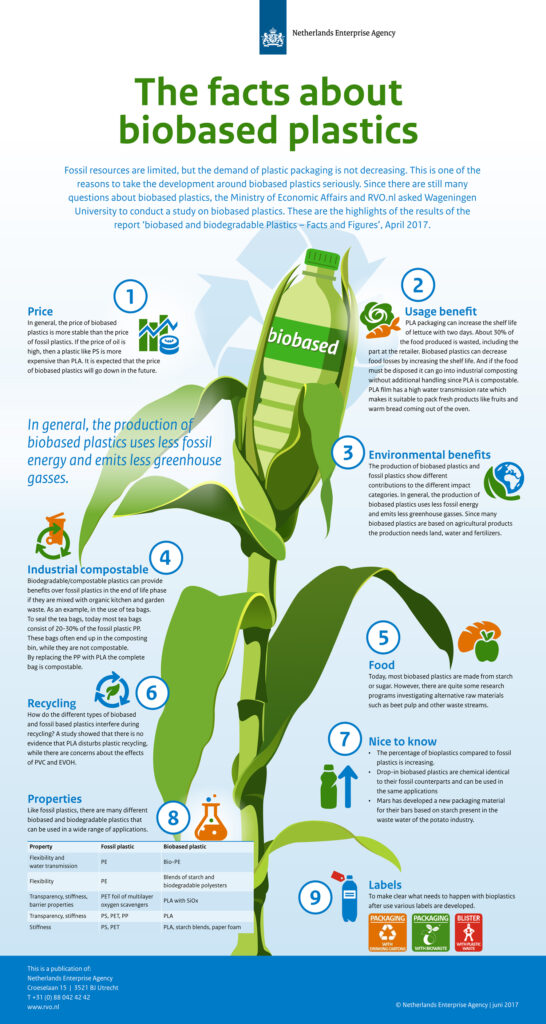
Bioplastics have several advantages over traditional plastics:
- Environmental Impact: Bioplastics are biodegradable, meaning they can decompose naturally in a few months, unlike traditional plastics that take centuries to break down.
- Renewable Resources: Bioplastics are made from renewable resources such as corn, wheat, and sugarcane, reducing dependence on fossil fuels.
- Reduced Greenhouse Gas Emissions: The production of bioplastics generates fewer greenhouse gas emissions compared to traditional plastics.
- Cost-Effective: Bioplastics can be more cost-effective in the long run due to reduced waste management costs and lower energy consumption.
However, not all bioplastics are environmentally friendly. The type of polymer used, its origin, and production process determine its environmental impact. It’s crucial to choose bioplastics that meet high standards for sustainability and environmental friendliness.
Bottles Made from Biodegradable Plastic
Bio Bottles, widely available on supermarket shelves, are made from biodegradable plastic. These bottles play a crucial role in the food industry, not only for environmental reasons but also for food safety. Bio Bottles can reduce packaging waste, minimize water pollution, and promote sustainable consumption.
Objects Made from Bioplastics
From packaging to shoes, clothing, and everyday objects like phone cases and utensils, bioplastics have become increasingly popular. Any object produced with conventional plastics can be replicated using bioplastics, which are generally more environmentally friendly in terms of energy consumption and waste management.
Bioplastics offer numerous benefits for various industries:
- Packaging Industry: Bioplastics can reduce packaging waste, minimize water pollution, and promote sustainable consumption.
- Textile Industry: Bioplastics can be used to produce clothing and textiles that are more sustainable and environmentally friendly.
- Food Industry: Biodegradable plastics can be used for food packaging, reducing the risk of contamination and improving food safety.
The Limitations of Bioplastics
Not all bioplastics are 100% bio-based. Some may contain a mix of fossil fuel-derived materials and renewable resources. The Apilon 52 Bio bioplastic, for instance, contains 70% renewable material.
Bioplastics have limitations in terms of production costs, availability, and compatibility with existing infrastructure:
- Higher Production Costs: Bioplastics can be more expensive due to higher production costs and limited economies of scale.
- Limited Availability: Bioplastics may not be widely available, making it challenging for consumers to access them.
- Compatibility Issues: Bioplastics may not be compatible with existing materials, requiring new manufacturing processes or equipment.
Types of Bioplastics
Understanding the differences between bioplastics is essential:
- Bio-plastics made from starch (amido): Simple to produce at home and often mixed with biodegradable polyester.
- Cellulose-based bio-plastics: Made using esters like cellulose acetate or nitrocellulose.
- Protein-based bio-plastics: Derived from gluten, casein, or other protein sources.
- Aliphatic bioplastics (PHA): Comprising PHB, PHA, PHV, and PHH.
- Polylactic acid (PLA): Used for producing items like cups, bottles, fibers, and containers.
- Organic polyethylene: Produced from sugarcane or corn through fermentation.
The Debate Surrounding Bioplastics
While bioplastics have several environmental benefits, there are concerns about:
- Water Usage: The production of bioplastics can lead to water pollution if not managed properly.
- Transportation of Biomass: The transportation of biomass for bioplastic production can result in greenhouse gas emissions and other environmental impacts.
- Energy Consumption: Bioplastic production requires energy, which may contribute to greenhouse gas emissions.
- Deforestation: The use of land for biomass feedstocks can lead to deforestation and habitat loss.
- Use of Genetically Modified Organisms (GMOs): Some bioplastics are produced using GMOs, raising concerns about their safety and environmental impact.
Conclusion: The Future of Plastics
Bioplastics offer a promising solution to the plastic pollution problem, but it’s essential to acknowledge their limitations and challenges. By understanding the benefits and drawbacks of bioplastics, consumers can make informed decisions about their use in various industries. Moreover, companies must prioritize sustainability and environmental friendliness when producing bioplastics.
Frequently Asked Questions (FAQs)
- What are bioplastics?
Bioplastics are plastics derived from renewable resources or produced from organic monomers. - Are all bioplastics environmentally friendly?
No, the type of polymer used, its origin, and production process determine environmental impact. - What is the difference between biodegradable and non-biodegradable bioplastics?
Biodegradable bioplastics break down naturally, while non-biodegradable ones do not. - Which bioplastics are most commonly used?
PLA (polylactic acid) and PHA (polyhydroxyalkanoates) are widely employed for various applications. -
Can bioplastics replace traditional plastics entirely?
No, bioplastics have limitations in terms of production costs, availability, and compatibility with existing infrastructure. -
Are bioplastics more expensive than traditional plastics?
Bioplastics can be more expensive due to higher production costs and limited economies of scale. - Can bioplastics be recycled?
Some bioplastics are recyclable, but the recycling process is often complex and not widely available. -
How do I choose the right type of bioplastic for my needs?
Consider factors such as environmental impact, production costs, compatibility with existing materials, and desired performance characteristics. -
Are there any new developments in bioplastics that could revolutionize their use?
Researchers are working on improving bioplastic properties, exploring new feedstocks, and developing more efficient production methods. - How can I support the development of sustainable bioplastics?
Encourage companies to invest in research and development, adopt environmentally friendly production processes, and promote recycling initiatives.
By understanding the benefits, limitations, and challenges associated with bioplastics, we can work towards a more sustainable future for plastics.


