
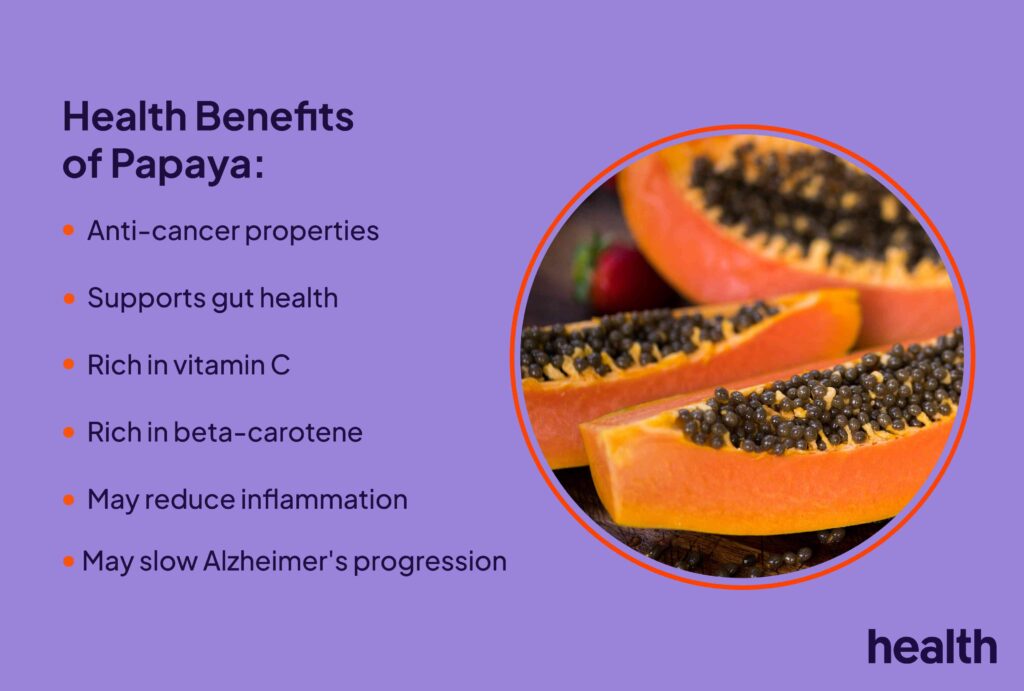
Papaya, also known as Carica papaya L., is a tropical plant belonging to the Caricaceae family. This exotic fruit has gained popularity worldwide for its high antioxidant content and digestive properties. In this article, we will delve into the world of papaya, exploring its physical characteristics, nutritional value, digestive enzymes, health benefits, antimicrobial and exfoliating properties, cure-all properties, fermented papaya, and where it grows.
Physical Characteristics of Papaya Fruits
Papaya fruits have an oval shape and weigh approximately 600 grams in the commercially available variety. The weight can exceed 8 kg, but this is impractical for transportation and storage due to its size. The typical color of the fruit is green with yellowish tints. Inside, the pulp is orange-colored with numerous brown seeds. As the papaya plant ages, its fruit becomes smaller.
The papaya plant’s growth pattern can be broken down into three stages:
- Germination: This stage begins when the seed germinates in a favorable environment.
- Vegetative phase: During this stage, the plant grows leaves and develops a taproot to anchor itself.
- Flowering phase: The plant produces flowers, which eventually turn into fruit.
Nutritional Value of Papaya
Papayas are comprised of 87% water and around 13% carbohydrates, fibers, vitamins, and minerals such as calcium, iron, phosphorus, and magnesium. They contain carotenoids and flavonoids, potent antioxidants that protect cells from damage. Some key vitamins in papayas include:
- Vitamin A: important for healthy vision, immune function, and skin health
- Vitamin C (more than kiwi and carrots): crucial for immune function, wound healing, and collagen production
- Vitamin P: helps to regulate blood pressure and improve cardiovascular health
Papayas also have a low content of fats and calories (approximately 39 kcal per 100 grams).
Digestive Enzymes and Papaya
The unripe fruit contains an enzyme called papain, which is a proteolytic enzyme. This enzyme can break down proteins efficiently in cases of digestive issues. Papain is commonly used as a dietary supplement to aid digestion.
Health Benefits of Papaya
Papayas are believed to help combat water retention and cellulite. Consuming the fruit with banana may enhance its ability to eliminate excess fats from cells. Some potential benefits of papaya include:
- Improving metabolism by breaking down proteins quickly: This can lead to weight loss and improved energy levels.
- Relieving gastritis, colitis, and chronic constipation: The proteolytic properties of papain can help soothe digestive issues.
- Strengthening the immune system: Papayas contain high levels of vitamins that boost immunity.
Antimicrobial and Exfoliating Properties
Papayas have been found to possess antimicrobial properties that can benefit skin health. For more information on papaya masks for your face, check out our “Fruits: How to Make Your Own Face Masks at Home” article. The antioxidant content in papayas also helps protect cells from damage.
Cure-All Papaya Properties
Papayas contain high levels of vitamins that boost the immune system. The fruit’s antioxidants help protect cells from damage and may aid in fighting various diseases. Studies have also found potential benefits:
- Anti-inflammatory properties: Can help reduce inflammation and alleviate symptoms associated with conditions like arthritis.
- Antitumor effects: May inhibit the growth of cancer cells and improve treatment outcomes.
- Improved energy due to high carb content: Papayas are a good source of easily digestible carbohydrates, which can provide a natural energy boost.
Fermented Papaya: A Potential Cure-All
Recent studies suggest that fermented papaya can help combat Parkinson’s disease, Alzheimer’s, and SARS. Fermentation enhances the fruit’s nutrient concentration by 30 times. Note that more research is needed to confirm these benefits.
Where Does Papaya Grow?
Papayas originated in Central America, specifically Mexico. This region has used papaya as a fertility treatment for centuries. Today, papayas are also grown in Southern Italy, particularly in Sicily and Calabria, with a harvest season from April to November. The Philippines’ island of Guimaras is another prominent producer of papayas on a large scale.
Papaya Seeds: A Rich Source of Nutrients
Papaya seeds possess unique properties that can benefit the body:
- Renal cleansing: Papaya seeds may help flush out toxins from the kidneys and improve overall kidney health.
- Liver health improvement: The seeds contain compounds that may help protect liver cells from damage and promote healthy liver function.
- Gastrointestinal health: Papaya seeds have been shown to aid digestion and reduce symptoms associated with gastrointestinal disorders.
By understanding the benefits and uses of papaya, you can incorporate it into your diet to boost your overall well-being. Whether you enjoy it fresh, cooked, or in supplement form, papaya is a versatile fruit that offers numerous health benefits.


