
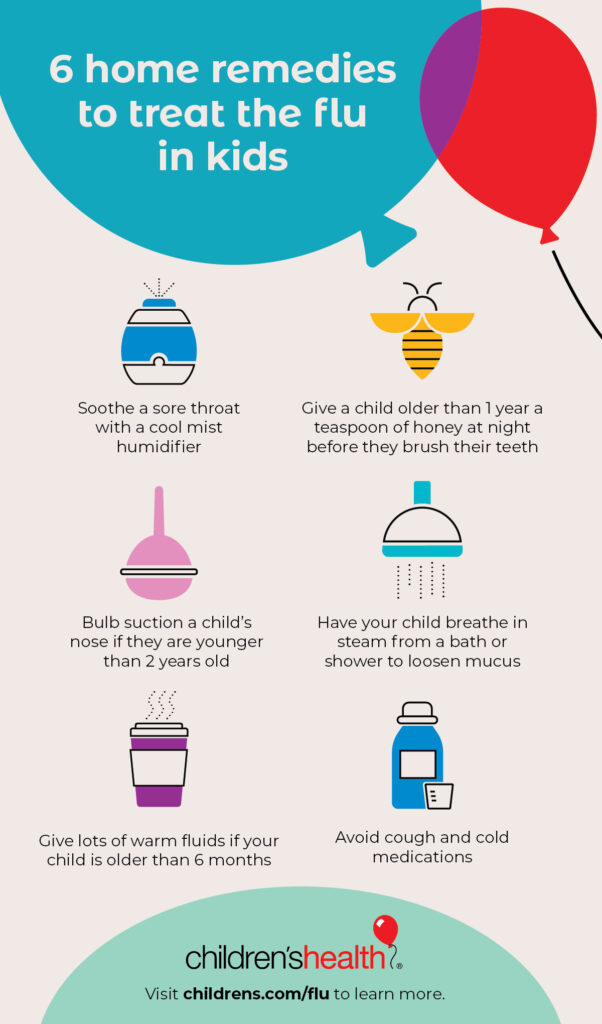
As the cold winter months approach, so do the dreaded flu season. With rapid climate changes, our bodies and immune systems are put to the test, making it harder to adapt to the changing environment. Beyond traditional over-the-counter medications found in pharmacies, there are natural remedies that can help prevent the flu.
Understanding the Flu: Key Recommendations
Avoid stress: this drastic reduction in our defenses allows the influenza virus to take advantage of our internal weakness and colonize our body without hindrance.
Maintain a balanced diet rich in fruits and vegetables to absorb essential nutrients like vitamins.
Drink plenty of water: proper hydration helps our body expel toxins and ensures optimal functioning of the immune system.
The Science Behind Flu Season
Flu season typically occurs during the winter months, with the most severe cases usually occurring between December and February. The exact reason for this timing is not yet fully understood, but several factors contribute to its occurrence:
- Viral shedding: When an infected person coughs or sneezes, they release tiny droplets containing the flu virus into the air.
- Cold temperatures: Cold weather weakens our immune system, making us more susceptible to illness.
- Low humidity: Dry air can dry out mucus membranes, allowing the flu virus to spread more easily.
Influencing Food Choices
Choosing the right foods can help boost your immune system and reduce the risk of getting sick. Here are some key nutrients to focus on:
- Beta-carotene: This antioxidant is found in a variety of colorful vegetables like carrots, potatoes, tomatoes, cauliflower, Brussels sprouts, beets, artichokes, spinach, and pumpkin.
- Vitamin C: Citrus fruits, kiwi, ananas (pineapple), wild berries, tomatoes, peppers, broccoli, and other green leafy vegetables are all high in vitamin C.
- Vitamin E: Almonds, walnuts, sunflower seeds, grain germ, and extra virgin olive oil are rich in vitamin E.
Healthy Habits: Staying Safe from Influenza
In addition to a balanced diet, there are several healthy habits you can adopt to reduce your risk of getting the flu:
- Avoid humid and cold environments: After experiencing typical flu symptoms like chills, avoid going outside or entering humid or crowded areas until you’ve recovered.
- Avoid sudden temperature changes: Avoid exposure to extreme temperatures, as this can weaken your immune system further.
- Air out the environment: If you’re recovering from the flu, air out your living space for at least 30 minutes to an hour to reduce the concentration of airborne pathogens.
Proper Hygiene
Proper hygiene is essential in preventing the spread of the flu:
- Wash your hands frequently: Use soap and water for at least 20 seconds, especially after coughing or sneezing.
- Avoid touching your face: Try to avoid touching your eyes, nose, and mouth, as this can transfer the virus from your hands to your face.
- Use disposable handkerchiefs: If you need to blow your nose, use a disposable handkerchief to prevent spreading the virus.
Prevention Strategies
In addition to healthy habits and proper hygiene, there are several natural remedies that have shown promise in preventing or treating the flu:
- Ginseng: This adaptogenic herb has been shown to boost immune function and reduce inflammation.
- Lemon juice: Drinking a glass of water with half a lemon juice daily may help boost your immune system and prevent illness.
Frequently Asked Questions
Q: Can stress really trigger the flu?
A: Yes, chronic stress can weaken our immune system, making us more susceptible to the flu virus.
Q: What is the best way to boost my immunity during flu season?
A: By maintaining a balanced diet rich in fruits and vegetables, getting enough sleep, and staying hydrated.
Q: Are there any specific foods that can help prevent the flu?
A: Foods high in beta-carotene, vitamin C, and vitamin E are beneficial for immune system function.
Q: Can I use ginseng to treat an existing flu infection?
A: Ginseng may not be effective against established influenza infections. Its benefits lie primarily in preventing flu outbreaks.
Q: Is it true that the flu is caused by a virus or bacteria?
A: The flu is caused by the influenza virus, which can affect both adults and children.
Q: Can I get the flu from touching someone who has it?
A: Yes, the flu virus can survive on surfaces for extended periods. Wearing gloves and frequent handwashing are recommended.
Q: Are there any seasonal allergies that are similar to the flu?
A: Seasonal allergies, such as hay fever or sinusitis, share some symptoms with the flu. However, they usually do not have a viral cause.
Q: Can I use essential oils to prevent or treat the flu?
A: While some essential oils like eucalyptus may provide relief from cold and flu symptoms, their effectiveness in preventing or treating the flu is still uncertain.
Q: Is there any proven herbal remedy for flu prevention?
A: There is no single herbal remedy that has been scientifically proven to prevent or treat the flu. However, various herbs have shown potential antiviral properties.
Q: Can I use vitamin supplements to boost my immune system during flu season?
A: While vitamins and supplements may not be a substitute for a healthy lifestyle, they can help support immune function when taken as directed by healthcare professionals.
Conclusion
While the flu is still a major public health concern, there are many natural remedies that can help prevent or treat it. By adopting a balanced diet, maintaining good hygiene habits, and incorporating prevention strategies like ginseng and lemon juice into your routine, you can reduce your risk of getting sick and stay healthy throughout the winter months.
Additional Tips
- Get vaccinated: The flu vaccine is still one of the most effective ways to prevent the flu.
- Stay active: Regular exercise can help boost your immune system and reduce stress.
- Practice relaxation techniques: Stress reduction techniques like meditation, yoga, or deep breathing exercises can also help support immune function.
Remember, prevention is key when it comes to staying healthy during flu season. By combining a balanced diet with good hygiene habits and incorporating natural remedies into your routine, you can stay protected against the flu virus all winter long!


