
Introduction
As we strive for a more sustainable future, it’s essential to explore innovative solutions that reduce our environmental footprint. One such solution lies in the humble cellulose fibre, which has been gaining popularity as an eco-friendly insulation material. In this article, we’ll delve into the world of cellulose fibre, exploring its benefits, uses, and applications.
What is Cellulose Fibre?
Cellulose fibre is a type of insulation made from recycled paper products, such as newspaper, cardboard, and tissue paper. This biodegradable material has gained popularity due to its sustainability, eco-friendliness, and cost-effectiveness. Composed mainly of natural cellulose, this fibre is also breathable, moisture-wicking, and sound-absorbing.
Properties and Benefits
Cellulose fibre boasts an impressive array of properties that make it an ideal insulation solution:
- High thermal insulation: Cellulose fibre provides exceptional thermal insulation, keeping buildings warm in winter and cool in summer.
- Acoustic insulation: It reduces noise levels, creating a more peaceful living or working environment.
- Moisture-wicking: The breathable nature of cellulose fibre prevents moisture buildup, reducing the risk of mould and mildew growth.
- Sustainable and eco-friendly: Cellulose fibre is biodegradable, non-toxic, and made from recycled materials.
Applications
Cellulose fibre can be applied in various forms:
- Batts: Pre-cut sheets of cellulose fibre for easy installation.
- Loose-fill: Fibre blown into cavities to fill gaps and provide insulation.
- Foam board: Cellulose fibre mixed with a binding agent to create a solid panel.
Fibres in Fiocchi: A Specialized Insulation Solution
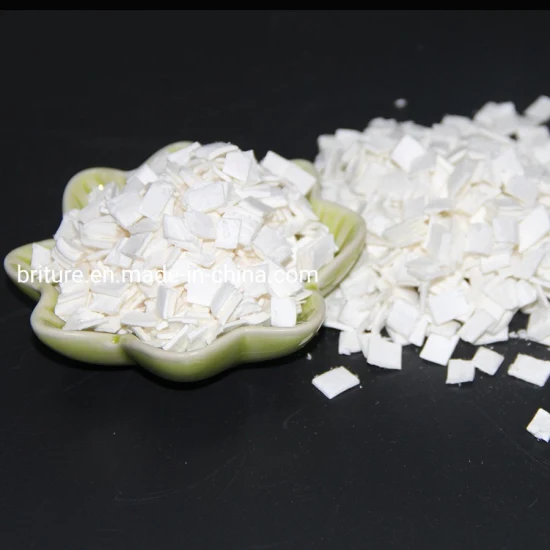
One type of cellulose fibre, known as fibres in fiocchi (fibre-in-flecks), has gained attention for its exceptional performance. This innovative material consists of 88% recycled paper and 12% natural additives, such as borate salts. Fibres in fiocchi offers unique benefits:
- High compressive strength: It provides excellent compression resistance, ensuring the fibre remains intact.
- Natural repellents: The added borate salts serve as natural insecticides and fungicides.
- Easy installation: Fibres in fiocchi can be applied using high-pressure tools for optimal results.
Isolating with Cellulose Fibre
Cellulose fibre is used to isolate a range of areas:
- Walls: Through intercapedine murarium techniques or loose-fill insulation.
- Roof: Using batts or foam board materials.
- Floors: When traditional methods fail, cartongesso can be employed.
Fibres and Tax Incentives
Investing in cellulose fibre can lead to significant tax savings:
- Up to 65% of expenses may be deductible through the tax system.
- Consult the dedicated webpage for more information on these incentives.
By exploring the benefits of cellulose fibre, we can create a more sustainable future. Whether you’re building a new home or retrofitting an existing one, this eco-friendly insulation solution is sure to pay dividends in terms of energy efficiency and reduced environmental impact.
Frequently Asked Questions
- What materials are used to make cellulose fibre?
- Is cellulose fibre suitable for all types of buildings?
- How does the installation process work for fibres in fiocchi?
- Are there any limitations or potential drawbacks associated with using cellulous fibre?
- Can cellulose fibre be used to insulate entire buildings?
In conclusion, cellulose fibre is a sustainable and eco-friendly insulation solution that offers numerous benefits. Whether you’re looking for high thermal insulation, acoustic insulation, or moisture-wicking properties, this biodegradable material is sure to meet your needs.
Benefits of Cellulose Fibre in Buildings
- Environmental Benefits: Biodegradable and non-toxic, cellulose fibre reduces waste and minimizes environmental impact.
- Cost-Effective: Made from recycled paper products, cellulose fibre is a cost-effective insulation solution.
- Improved Indoor Air Quality: Cellulose fibre prevents moisture buildup, reducing the risk of mould and mildew growth.
Cellulose Fibre in Energy Efficiency
- Reduced Energy Consumption: By providing high thermal insulation, cellulose fibre helps reduce energy consumption.
- Increased Comfort: With reduced temperature fluctuations, cellulose fibre promotes a more comfortable living or working environment.
- Long-Term Cost Savings: The cost-effectiveness of cellulose fibre can lead to long-term savings on energy bills.
Cellulose Fibre in Sustainable Construction
- Eco-Friendly Materials: Cellulose fibre is made from recycled paper products, reducing waste and promoting sustainable construction.
- Resilient Buildings: By providing high compressive strength, cellulose fibre ensures buildings can withstand natural disasters and environmental stressors.
- Increased Property Value: With reduced energy consumption and improved indoor air quality, cellulose fibre can increase property value.
By incorporating cellulose fibre into your building project, you can create a more sustainable and eco-friendly solution that benefits both the environment and your wallet.
Fibres in Fiocchi: A New Era of Insulation
The innovative fibres in fiocchi have opened up new possibilities for insulation solutions. With their exceptional compressive strength, natural repellents, and easy installation, this material is poised to revolutionize the industry.
Benefits of Fibres in Fiocchi
- High Compressive Strength: Provides excellent compression resistance, ensuring the fibre remains intact.
- Natural Repellents: Borate salts serve as natural insecticides and fungicides, reducing pest infestations.
- Easy Installation: High-pressure tools make it easy to install fibres in fiocchi.
Potential Applications of Fibres in Fiocchi
- Roof Insulation: Using batts or foam board materials, fibres in fiocchi provides exceptional thermal insulation.
- Wall Insulation: Through intercapedine murarium techniques or loose-fill insulation, fibres in fiocchi can be used to isolate walls.
- Floor Insulation: When traditional methods fail, cartongesso can be employed to use fibres in fiocchi.
By exploring the benefits of fibres in fiocchi, we can create a more sustainable and eco-friendly insulation solution that meets the demands of modern construction.
The Future of Cellulose Fibre
As technology advances, cellulose fibre is poised to become an even more popular choice for insulation solutions. With its sustainability, cost-effectiveness, and exceptional thermal insulation properties, this biodegradable material is sure to continue growing in popularity.
Benefits of Cellulose Fibre in the Future
- Increased Sustainability: As technology advances, cellulose fibre will become an increasingly sustainable choice.
- Improved Thermal Insulation: New manufacturing techniques will enhance the thermal insulation properties of cellulose fibre.
- Reduced Environmental Impact: With increasing demand for eco-friendly materials, cellulose fibre is sure to play a larger role in reducing waste and promoting sustainability.
By embracing the potential of cellulose fibre, we can create a more sustainable future that prioritizes both environmental protection and cost-effectiveness.


