
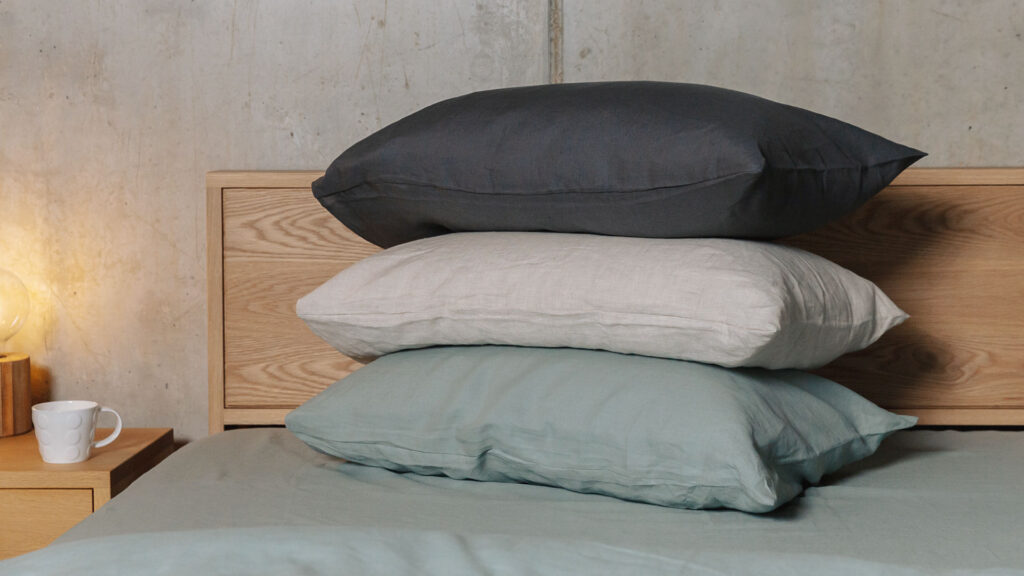
As you embark on the journey of decorating your home, it’s essential to consider not only the aesthetics but also the environmental impact of your choices. One often overlooked aspect is the linens used in your home, from bed sheets to towels and tablecloths. In this article, we’ll delve into the world of eco-friendly home linens, exploring the benefits of sustainable materials and practices that can make a significant difference in reducing our carbon footprint.
The Importance of Sustainable Linens
When it comes to decorating your home, you might think that sustainability is just a buzzword or a trend. However, making conscious choices about the materials and products we use can have a profound impact on the environment. The textile industry is one of the largest polluters in the world, with the production of synthetic fibers contributing significantly to greenhouse gas emissions.
Natural Fibers: The Way Forward
So, what’s the solution? Natural fibers are the way forward when it comes to eco-friendly home linens. These biodegradable and renewable resources offer a sustainable alternative to synthetic materials. Some examples of natural fibers include:
- Hemp: A highly durable and versatile crop that requires minimal water and pesticides.
- Bamboo: A fast-growing, carbon-negative material that’s also incredibly soft and breathable.
- Cotton: While often associated with conventional farming practices, organic cotton is a great choice for those looking to reduce their environmental impact.
The Power of Certification
When it comes to sustainable textiles, certification programs can play a significant role in ensuring the quality and authenticity of eco-friendly materials. Look for certifications like GOTS (Global Organic Textile Standard) or Oeko-Tex, which guarantee that products meet rigorous environmental and social standards.
The Story Behind Zambaiti: A Pioneer in Sustainable Textiles
One company leading the charge in sustainable textiles is Zambaiti Cotonificio. This Italian textile manufacturer has been a pioneer in eco-friendly practices for decades, using natural fibers and reducing waste wherever possible. Their commitment to sustainability extends beyond their products, with initiatives like energy-efficient manufacturing processes that have reduced carbon emissions by an impressive 87%.
Eco-Friendly Linens: A Lineup of Sustainable Options
Zambaiti’s commitment to sustainability has resulted in a range of eco-friendly linens that are not only gentle on the environment but also incredibly comfortable. Their line includes:
- 100% Ecotone: A blend of natural fibers like hemp and bamboo, certified by ICEA.
- Biodegradable fabrics: Made from plant-based materials, these fabrics are compostable at the end of their life cycle.
The Benefits of Eco-Friendly Linens
So, why should you choose eco-friendly linens? Not only do they offer a sustainable alternative to conventional textiles, but they also have numerous benefits for your health and well-being. Look for natural fibers that are:
- Hypoallergenic: Perfect for those with sensitive skin.
- Breathable: Regulating body temperature for a comfortable sleeping environment.
The Packaging Problem
Even the packaging of eco-friendly linens can make a difference. Zambaiti’s commitment to sustainable practices extends beyond their products, with eco-friendly packaging made from 100% organic cotton.
Conclusion
As you decorate your home, remember that sustainability is not just a buzzword – it’s a choice that can have a profound impact on the environment. By choosing eco-friendly linens and supporting companies like Zambaiti, you’re not only reducing your carbon footprint but also promoting a healthier, more sustainable lifestyle.
FAQs
- What are some common natural fibers used in eco-friendly textiles?
- How can I ensure that my textile products meet rigorous environmental standards?
- What’s the difference between GOTS and Oeko-Tex certification?
- Can I still find affordable, eco-friendly linens?
- Why is it important to choose hypoallergenic fabrics for bedding?
- How can I reduce waste in my textile production process?
- What role does packaging play in sustainable textiles?
- Are there any certifications that guarantee the sustainability of textile products?
Additional Tips
- Consider purchasing second-hand linens or swapping with friends to reduce waste.
- Choose linens made from natural fibers that are breathable and moisture-wicking.
- Avoid synthetic dyes, which can harm aquatic life and contribute to microplastic pollution.
By making conscious choices about the materials we use in our homes, we can create a more sustainable future for generations to come.


