
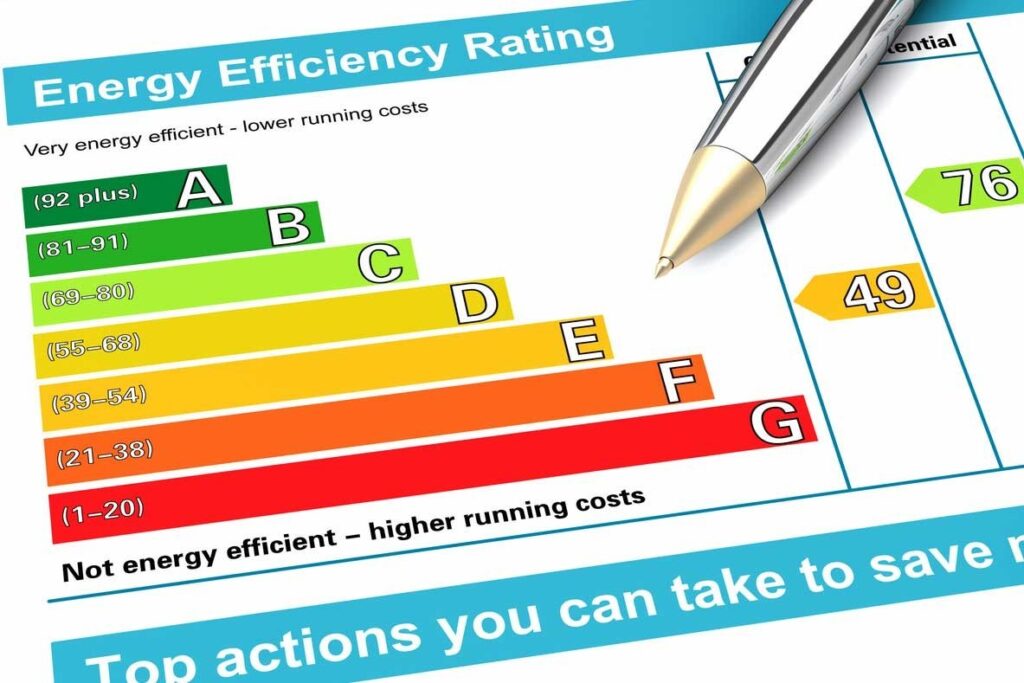
As an energy-conscious homeowner, renting or selling a property, you’re likely aware of the importance of obtaining an Energy Performance Certificate (EPC) for your building. However, what happens if this crucial document is irregular? In this article, we’ll delve into the sanctions and consequences associated with non-compliance, exploring the potential fines, penalties, and even legal repercussions that may arise.
Understanding the Consequences of Irregular APEs
When a property owner fails to obtain or submit an Energy Performance Certificate, they risk facing penalties from local authorities. In Lombardy, where specific regulations apply, these sanctions can be substantial. A penalty of between €500 and €2,000 is imposed on an irregular EPC. This fine not only affects the property owner but also renders the building un sellable, as per regional registry cancellation.
The Risks Associated with Non-Compliance
Those involved in sales, rentals, and restructurings of buildings must be aware of the potential consequences of non-compliance. The person selling a property at an onerous price without producing the APE risks fines of between €5,000 and €20,000. Furthermore, landlords who fail to deliver the EPC to tenants may face a fine of between €2,500 and €10,000.
Who’s at Risk?
The following individuals and entities are at risk of facing sanctions for irregular Energy Performance Certificates:
- Architects: Technical relationships that don’t reflect the actual energy performance of the building can result in fines of between €2,000 and €10,000 per unit.
- Project managers: Deviation from the technical report required by the Law of October 1991 can incur a fine of between €5,000 and €15,000.
- Energy auditors: Failure to comply with regulations can result in an incident sanction of €500 to €2,000. In addition, claimed energy efficiency classes exceeding reality can lead to additional fines of up to €10,000.
- Property owners: Deviation from the technical report of the Law of October 1991 can result in the same fine as project managers (€5,000 to €15,000).
- Sellers (alienants): Failure to produce the EPC during a sale at an onerous price can incur a sanction of between €5,000 and €15,000. The sale is also nullified.
- Landlords: Failing to deliver the APE to tenants incurs a fine of between €2,500 and €10,000.
The Impact on Properties
Irregular Energy Performance Certificates can have far-reaching consequences for properties. In Lombardy, a cancellation from the regional registry renders buildings un sellable. The sale becomes null and void, with potential financial implications for all parties involved.
Conclusion
In conclusion, obtaining an Energy Performance Certificate is crucial for property owners, renters, and landlords. Failing to comply with regulations can result in substantial fines and penalties. Understanding the risks associated with non-compliance can help prevent unnecessary consequences and ensure that properties are accurately valued and marketed.
Frequently Asked Questions
- What is an Energy Performance Certificate (EPC)?
An EPC is a document that assesses the energy efficiency of a building, providing a ranking from A to G based on its performance. - Who is responsible for obtaining an EPC?
Property owners, landlords, and tenants are all responsible for ensuring that their buildings meet the required standards and obtain a valid EPC. - What happens if I don’t have an EPC or it’s irregular?
Failure to obtain or submit a valid EPC can result in fines and penalties, which may affect property sales and rentals. - How do I get an EPC for my building?
Contact a certified energy auditor or surveyor to conduct an assessment of your building’s energy efficiency and provide a report for the EPC. -
What are the sanctions for non-compliance with Energy Performance Certificates in Lombardy?
Penalties can range from €500 to €2,000 for property owners, €5,000 to €20,000 for sellers, and €2,500 to €10,000 for landlords.By understanding the consequences of irregular Energy Performance Certificates, you can ensure that your properties meet the required standards and avoid potential fines and penalties.


