
Introduction
Are you looking for a way to grow your own fruits and vegetables without taking up too much space? Container gardening is the perfect solution. This method allows you to cultivate a thriving indoor garden, providing fresh produce right at your fingertips. In this article, we’ll explore the basics of container gardening, including how to care for your plants and overcome common challenges.
Understanding Container Gardening
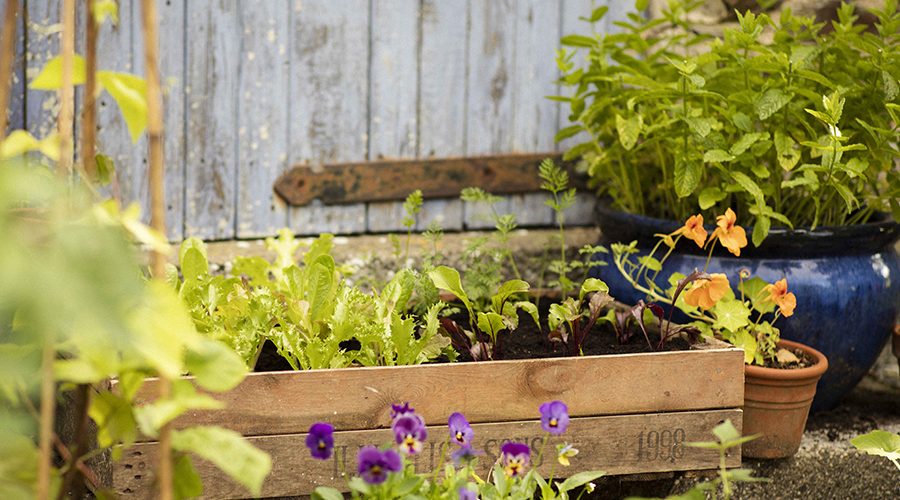
Container gardening involves growing plants in pots or containers rather than directly in the ground. While it may seem like a more complicated process than traditional gardening, with some basic knowledge and attention to detail, you can create a thriving indoor garden.
Benefits of Container Gardening
Before we dive into the nitty-gritty details, let’s explore the benefits of container gardening:
- Space-saving: Containers are perfect for small spaces, such as balconies, patios, or even indoors.
- Flexibility: Containers can be moved to different locations and can be easily relocated.
- Year-round growing: With containers, you can grow plants year-round, regardless of the season.
- Easy maintenance: Containers make it easy to care for your plants, as you can simply water, fertilize, and prune them.
Choosing the Right Plants
When selecting plants for container gardening, choose varieties that are well-suited for indoor conditions. Consider compact or dwarf varieties of fruits and vegetables that won’t outgrow their containers too quickly. Some popular options include:
- Cherry tomatoes: These are a great choice for containers, as they’re easy to care for and produce fruit quickly.
- Leafy greens: Lettuce, spinach, and kale are all excellent choices for container gardening.
- Herbs: Basil, mint, and cilantro are popular herbs that thrive in containers.
- Flowers: Petunias, geraniums, and begonias are great choices for adding color to your indoor garden.
Watering Your Container Garden
One of the most critical aspects of container gardening is watering. Because pots dry out faster than soil in the ground, you’ll need to water your plants more frequently. Aim to water your plants when the top inch of soil feels dry to the touch. Avoid overwatering, as this can lead to root rot and other problems.
Soil Quality Matters
The quality of your potting soil is crucial for healthy plant growth. Look for a well-draining mix specifically designed for containers. You can also create your own potting soil using a combination of peat moss, perlite, and vermiculite.
Fertilizing Your Plants
Because container plants don’t have access to the same nutrients as those grown in the ground, you’ll need to fertilize more frequently. Use a balanced fertilizer (such as 10-10-10 NPK) and follow the manufacturer’s instructions for application rates. You can also supplement with compost tea or worm castings.
Pest Control
While container gardens are less susceptible to pests than traditional gardens, it’s still essential to monitor your plants regularly. Inspect your plants weekly for signs of infestation, such as whiteflies, aphids, or spider mites. Use organic pest control methods whenever possible, such as neem oil or insecticidal soap.
Repotting and Pruning
As your plants grow, you’ll need to repot them into larger containers or prune them back to maintain shape and promote healthy growth. Choose a pot that is only slightly larger than the previous one, and use a well-draining potting mix.
Common Challenges
Container gardening can present several challenges, including:
- Limited space: Containers can be cramped, making it difficult for plants to grow.
- Overwatering: Because pots dry out quickly, it’s easy to overwater your plants.
- Pests: Despite the benefits of container gardening, pests like whiteflies and spider mites can still infest your plants.
Tips for Overcoming Common Challenges
Here are some tips for overcoming common challenges in container gardening:
- Use a well-draining potting mix: This will help prevent waterlogged soil and reduce the risk of root rot.
- Monitor your plants regularly: Keep an eye out for signs of pests, disease, or nutrient deficiencies.
- Repot frequently: Regular repotting can help prevent plants from becoming too leggy or pot-bound.
Conclusion
Container gardening can be a fun and rewarding way to grow your own fruits and vegetables, even in small spaces. By following these guidelines and tips, you’ll be well on your way to creating a thriving indoor garden. Whether you’re a seasoned gardener or just starting out, container gardening is an excellent way to bring fresh produce right into your home.
FAQs
- Q: How often should I water my container plants?
A: Water your plants when the top inch of soil feels dry to the touch. - Q: What type of fertilizer is best for container gardens?
A: Use a balanced fertilizer (such as 10-10-10 NPK) and follow the manufacturer’s instructions for application rates. - Q: How can I prevent pests from infesting my container garden?
A: Monitor your plants weekly for signs of infestation, and use organic pest control methods whenever possible. - Q: Can I grow tomatoes in a container?
A: Yes! Cherry tomatoes are a popular choice for container gardening due to their compact size and ease of care. - Q: How often should I fertilize my container plants?
A: Fertilize your plants every 1-2 weeks, or as needed based on the manufacturer’s instructions for application rates. - Q: Can I use compost tea in my container garden?
A: Yes! Compost tea can be a great way to supplement your fertilizer and promote healthy plant growth. - Q: How do I repot my container plants?
A: Choose a pot that is only slightly larger than the previous one, and use a well-draining potting mix. - Q: Can I grow flowers in a container?
A: Yes! Flowers such as petunias, geraniums, and begonias are popular choices for container gardening due to their compact size and ease of care.
Additional Resources
For more information on container gardening, check out these additional resources:
- Online tutorials: Websites like YouTube and Pinterest offer a wealth of information on container gardening.
- Local nurseries: Visit your local nursery or gardening store for expert advice and guidance.
- Gardening books: Check out books from your local library or purchase them online to learn more about container gardening.
By following these guidelines and tips, you’ll be well on your way to creating a thriving indoor garden. Happy gardening!


