
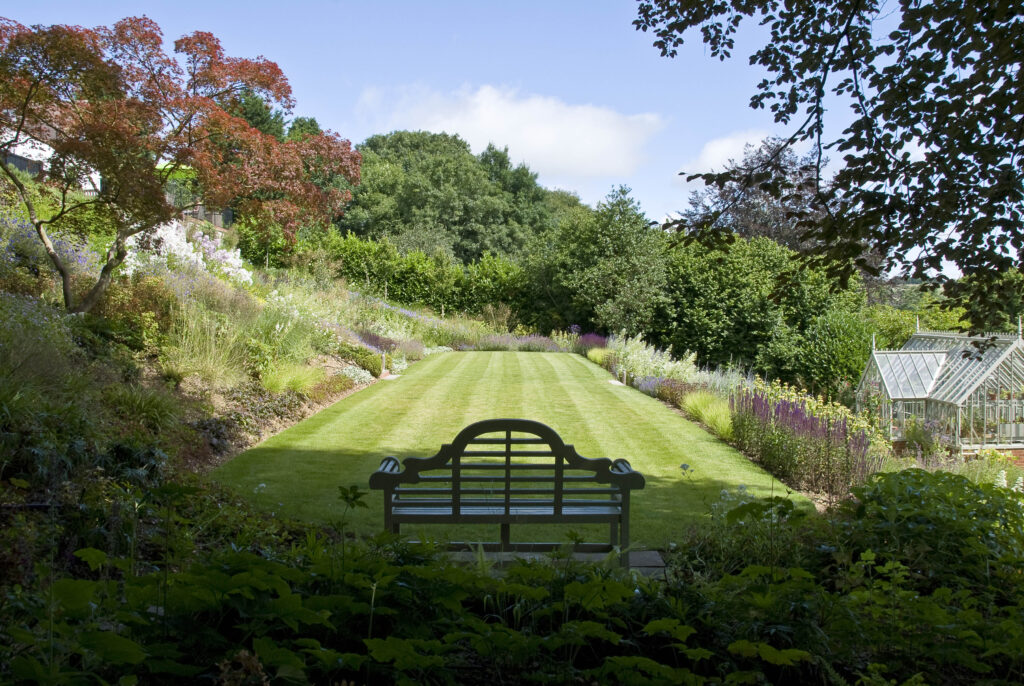
When it comes to creating a garden in a slope, it can be challenging to determine the best approach. In this article, we will explore various solutions for designing a garden on a slope, from terracing to mulching and pruning.
Understanding Sloped Gardens
Before diving into the solutions, it’s essential to understand the challenges of gardening on a slope. The main issue is erosion, which can lead to soil loss and damage to plants. To mitigate this problem, we need to find ways to stabilize the soil and prevent erosion.
Sloped gardens present several unique challenges that require careful planning and execution. One of the primary concerns is water runoff, which can cause soil erosion and damage vegetation. Additionally, sloped gardens may be more susceptible to wind and snow, which can also lead to soil loss.
Terracing: A Solution for Sloped Gardens
One solution for sloped gardens is terracing. By creating flat areas on the slope, you can create a stable surface for planting. Terracing involves building steps or platforms into the hillside, allowing you to plant different types of vegetation in each step. This approach requires careful planning and construction, as the terrain needs to be stabilized to prevent erosion.
Terracing is an effective solution for sloped gardens because it allows you to control water runoff and retain soil on each step. However, terracing can also create separate areas that may require additional maintenance. Additionally, terracing can be more expensive than other solutions, especially if you need to hire professionals to build the steps or platforms.
Sowing a Lawn on a Slope
Another solution is sowing a lawn on the slope. This can be done using the “sow and mulch” method, where you sow seeds in the autumn or early spring and then apply a layer of mulch to retain moisture and suppress weeds. Sowing a lawn on a slope requires careful planning and execution, as the terrain needs to be stabilized to prevent erosion.
Sowing a lawn on a slope can also create challenges for maintenance. The lawn may require more frequent watering, mowing, and fertilization, which can add to your overall gardening costs. Additionally, sowing a lawn on a slope can lead to uneven growth, as some areas may receive more water or sunlight than others.
Armored Soil: A Stabilizing Solution
Another solution is armored soil, which involves adding materials like geotextiles, riprap, or stone chips to stabilize the soil. This method can be effective in preventing erosion, but it may require professional assistance. Armored soil solutions can also increase the visual appeal of your garden, as they create a stable and level surface for planting.
Armored soil solutions are particularly useful for sloped gardens that have unstable soil conditions or heavy vegetation growth. By adding materials like geotextiles or riprap to the soil, you can stabilize it and prevent erosion. However, armored soil solutions may require more frequent maintenance than other approaches, as the materials need to be regularly checked and replenished.
Mulching: A Low-Maintenance Solution
Mulching is another solution for sloped gardens. By applying a layer of organic mulch, you can retain moisture, suppress weeds, and regulate soil temperature. Mulching is a low-maintenance approach that requires minimal upkeep and can add visual appeal to your garden.
However, mulching can also create challenges for maintenance. The mulch may need to be regularly replenished or refreshed to maintain its effectiveness. Additionally, mulching can lead to uneven growth, as some areas may receive more water or sunlight than others.
Feltrines: Pre-seeded Felt Mats
Feltrines are pre-seeded felt mats that can be installed on slopes to create a lawn. These mats are made of biodegradable materials and contain seeds, fertilizers, and other nutrients. Feltrines are an attractive option for sloped gardens, but they may not be suitable for large areas.
Feltrines offer several benefits for sloped gardens, including ease of installation and minimal maintenance. They can also create a stable and level surface for planting, which is essential for preventing erosion. However, feltrines may require more frequent watering and mowing than other approaches, as the vegetation needs to be regularly trimmed.
Aesthetic Considerations
When designing a garden on a slope, it’s essential to consider the aesthetic aspects. You can create separate areas for different types of plants, such as flowering plants, shrubs, and grasses. This will help you achieve a visually appealing design that meets your needs.
Consider factors like sunlight, temperature, and moisture when selecting plants for your sloped garden. Choose plants that are suitable for the specific conditions of your slope, and consider using containers or raised beds to create separate areas for different types of vegetation.
Plant Selection
The type of plants you choose will depend on the slope’s aspect, soil quality, and microclimate. For example, if the slope receives full sun, you may want to select plants like roses or lavender. If the slope is shaded, consider plants like hostas or impatiens.
When selecting plants for your sloped garden, it’s essential to choose varieties that are suitable for slopes with specific conditions. Some plants are more adapted to sloping terrain than others, and choosing the right variety can help you achieve a stable and thriving garden.
Pruning and Maintenance
Finally, pruning and maintenance are crucial for sloped gardens. Regular pruning can help control weeds, promote healthy growth, and maintain the garden’s appearance. However, this requires careful planning to avoid over-pruning or damaging the soil.
When pruning your sloped garden, be sure to follow these tips:
- Prune regularly to maintain a balanced and healthy shape
- Use clean tools to prevent spreading disease
- Avoid over-pruning, which can damage the soil and plants
- Consider hiring professionals for large-scale pruning operations
Frequently Asked Questions (FAQs)
Here are some frequently asked questions about designing a garden on a slope:
- What is the best way to design a garden on a slope?
There is no one-size-fits-all answer, as it depends on the specific conditions of your slope. However, consider factors like erosion, soil quality, and microclimate when making decisions.
- How can I prevent erosion in a sloped garden?
To prevent erosion, use methods like terracing, armored soil, mulching, or feltrines. You can also incorporate erosion-control measures like geotextiles or riprap.
- What types of plants are suitable for sloped gardens?
The type of plant you choose will depend on the slope’s aspect, soil quality, and microclimate. Consider factors like sunlight, temperature, and moisture when selecting plants.
- How often should I prune my sloped garden?
Regular pruning is essential to maintain your sloped garden’s appearance. However, be careful not to over-prune or damage the soil.
- Can I use a lawn mower on a sloped garden?
It’s not recommended to use a traditional lawn mower on a sloped garden, as it can cause erosion and damage the soil. Instead, consider using a decespugliatore or other specialized equipment.
- How can I stabilize my slope’s soil?
To stabilize your slope’s soil, use methods like terracing, armored soil, mulching, or feltrines. You can also incorporate erosion-control measures like geotextiles or riprap.
- Can I grow flowers on a sloped garden?
Yes, you can grow flowers on a sloped garden. Consider using containers or raised beds to create separate areas for different types of plants.
- How can I maintain my sloped garden?
Regular maintenance is essential to keep your sloped garden healthy and thriving. This includes pruning, watering, and fertilizing as needed.
By understanding the challenges of gardening on a slope and exploring various solutions, you can design a beautiful and functional garden that meets your needs. Remember to consider factors like erosion, soil quality, and microclimate when making decisions, and choose plants that are suitable for the specific conditions of your slope.


