
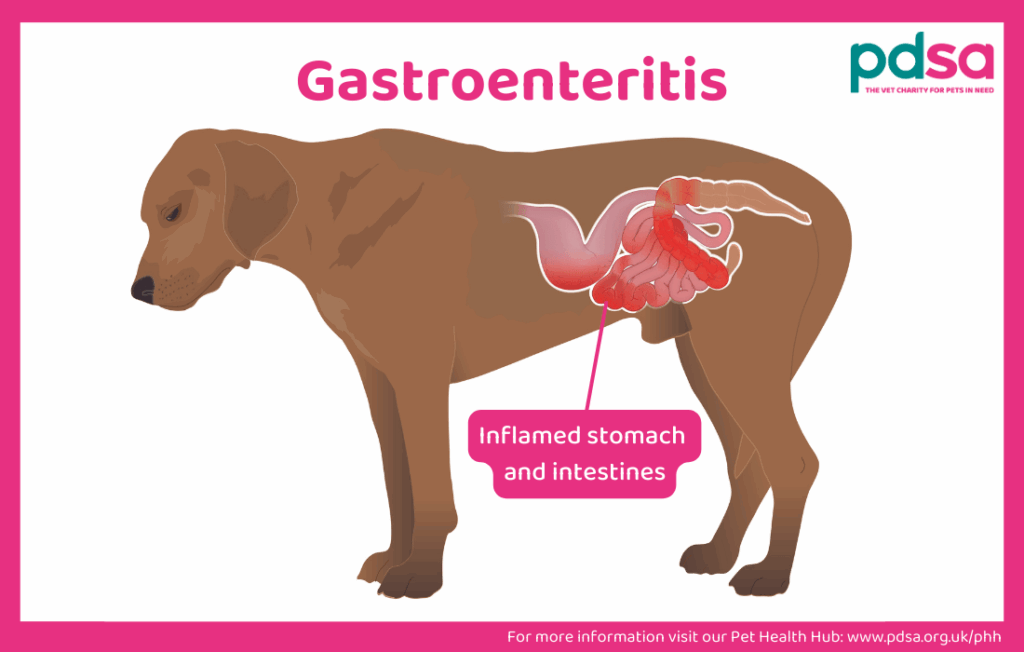
As a pet owner, it’s natural to want to take care of your furry friend when they’re feeling unwell. However, it’s essential to approach their health with caution and seek professional advice when dealing with gastrointestinal issues like gastroenteritis in dogs. In this article, we’ll delve into the world of canine gastroenteritis, exploring its symptoms, causes, treatment options, and more.
What is Gastroenteritis in Dogs?
Gastroenteritis, also known as gastrointestinal inflammation or infection, occurs when the mucous membranes lining the digestive tract become inflamed. This can lead to a range of issues, from mild discomfort to life-threatening complications. In dogs, gastroenteritis is often associated with viral, bacterial, or parasitic infections.
Types of Gastroenteritis in Dogs
There are several types of gastroenteritis that affect dogs, including:
- Acute gastroenteritis: A short-term inflammation of the digestive tract, often caused by viral or bacterial infections.
- Persistent gastroenteritis: A chronic condition characterized by ongoing inflammation and discomfort.
- Chronic gastroenteritis: A long-term condition marked by persistent inflammation and potential scarring.
Causes of Gastroenteritis in Dogs
Gastroenteritis in dogs can be caused by various factors, including:
- Infections from contaminated food or water: Bacteria, viruses, or parasites can contaminate food or water sources, leading to gastroenteritis.
- Parasitic infestations: Giardiasis, hookworms, and other parasitic infections can cause gastroenteritis in dogs.
- Food allergies or sensitivities: Some dogs may develop an allergic reaction to certain ingredients in their food, leading to inflammation of the digestive tract.
- Stress or anxiety: Stress and anxiety can exacerbate existing gastrointestinal issues, making it more likely for a dog to develop gastroenteritis.
- Age-related issues: Puppies under six months old are particularly susceptible to gastrointestinal infections due to their immature immune systems.
Symptoms of Gastroenteritis in Dogs
Common symptoms of gastroenteritis in dogs include:
- Vomiting and diarrhea: The most common symptoms, which can range from mild to severe.
- Abdominal pain and discomfort: Some dogs may exhibit signs of abdominal pain, such as restlessness or whining.
- Fever and lethargy: A high fever and decreased activity level can indicate a more severe infection.
- Loss of appetite and water intake: Dogs with gastroenteritis may become less interested in food and water due to discomfort or pain.
- Weight loss: In severe cases, gastroenteritis can lead to weight loss and malnutrition.
If your dog is experiencing any of these symptoms, it’s essential to consult with a veterinarian as soon as possible. Delaying treatment can lead to more severe complications.
Treatment Options for Gastroenteritis in Dogs
While there is no specific cure for gastroenteritis in dogs, various treatments can help alleviate symptoms and promote recovery:
- Dietary changes: Feeding a bland diet or a hypoallergenic food may help soothe the digestive tract.
- Fluid therapy: Administering IV fluids to replace lost electrolytes and water can be crucial during treatment.
- Medications: Antimicrobial, anti-inflammatory, and anti-nausea medications may be prescribed to manage symptoms.
It’s essential to follow your veterinarian’s advice and treatment plan to ensure the best possible outcome for your furry friend.
Preventing Gastroenteritis in Dogs
To minimize the risk of gastroenteritis in dogs:
- Feed high-quality food: Provide a balanced diet that meets your dog’s nutritional needs.
- Provide clean water and a safe environment: Regularly clean food and water bowls, and ensure your dog has access to a clean living space.
- Vaccinate against common infections: Keep your dog up-to-date on necessary vaccinations to prevent gastrointestinal infections.
- Practice good hygiene: Wash your hands thoroughly before handling food, toys, or other items that may come into contact with your dog.
By being proactive and taking steps to prevent gastroenteritis, you can help keep your furry friend happy and healthy.
Frequently Asked Questions
- Q: Can I treat my dog’s gastroenteritis at home?
A: While some symptoms can be managed at home, it’s essential to consult with a veterinarian for proper diagnosis and treatment. - Q: How long does gastroenteritis in dogs last?
A: The duration of gastroenteritis varies depending on the type and severity of the condition. In most cases, recovery takes several days to weeks. - Q: Can I give my dog over-the-counter medications for gastroenteritis?
A: No, it’s best to consult with a veterinarian before administering any medication to your dog. - Q: How can I prevent gastroenteritis in my puppy?
A: Follow the vaccination schedule recommended by your veterinarian and ensure your puppy receives proper nutrition and care. - Q: Can gastroenteritis be cured?
A: While some cases of gastroenteritis may resolve on their own, treatment is often necessary to manage symptoms and prevent complications.
By understanding the causes, symptoms, and treatment options for gastroenteritis in dogs, you can provide your furry friend with the best possible care. If you have any further questions or concerns, don’t hesitate to reach out to a veterinarian or pet healthcare professional.


