
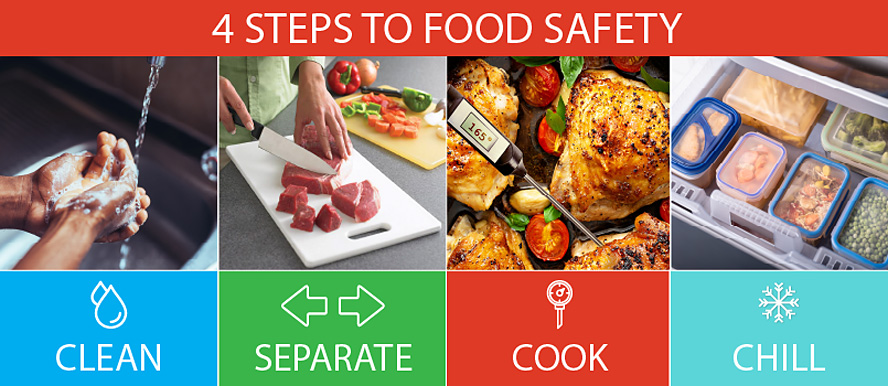
As consumers, we’re becoming increasingly aware of the importance of food safety. With growing concerns about the quality of products on our tables, it’s no wonder that many of us are looking for ways to control what we put into our bodies. In this article, we’ll delve into the world of additives, contaminants, pesticides, and other substances that can potentially harm our health.
The Hidden Dangers in Your Food
One of the most common culprits behind food safety concerns is the presence of additives. These substances are used to enhance flavor, texture, and appearance, but some have been linked to serious health problems. Common additives include colorants, edulcorants, preservatives, emulsifiers, thickeners, stabilizers, acid regulators, and anti-agglomerants.
But how can you tell if an additive is safe? The good news is that many countries require additives to be labeled with a letter E followed by a unique identifier. This makes it relatively easy to research the safety of specific additives using your smartphone or access online resources like apps dedicated to food safety.
Contaminants: A Growing Concern
While additives are a concern, contaminants pose an even greater threat to our health. Metals like lead and mercury can contaminate foods, especially those from seafood sources (such as fish and shellfish). Additionally, agricultural practices have led to contamination of fruits and vegetables grown in areas heavily contaminated with pollutants.
Furthermore, food safety risks aren’t limited to industrial products alone; biologically-derived contaminants also pose a threat. For example, salmonella outbreaks linked to industrial egg production and bacterial contamination found in pre-packaged salads sold by major retailers like Ikea highlight the need for vigilance.
The Role of Pesticides
Pesticide use is another significant factor affecting food safety. These chemicals not only harm beneficial insects but also accumulate in animal products, including meat and dairy, ultimately ending up on our plates. The impact on human health is far-reaching, with potential long-term effects on cognitive function, reproductive health, and the development of certain diseases.
The Impact of Pesticides on Human Health
The use of pesticides has been linked to various health problems, including:
- Cancer: Exposure to certain pesticides, such as glyphosate, has been associated with an increased risk of cancer.
- Neurological damage: Pesticide exposure has been linked to neurological problems, including Parkinson’s disease and Alzheimer’s disease.
- Reproductive issues: Exposure to pesticides has been shown to affect fertility and reproductive health in both men and women.
Reducing Exposure: Strategies for a Healthier Diet
So, how can you protect yourself from these hidden dangers? While some may seem insurmountable, there are steps you can take to reduce your exposure:
- Grow Your Own Food: Starting a small garden or purchasing locally sourced produce from family farms can help minimize the risk of contamination.
- Buy from Local Farmers and Artisanal Producers: Supporting smaller-scale agriculture reduces reliance on industrial farming practices that may lead to pesticide use and other safety concerns.
- Diversify Your Diet: Eating a balanced diet with varying amounts of different foods helps minimize exposure to specific substances.
Conclusion
The quest for food safety is an ongoing journey, requiring awareness and proactive steps. By understanding the hidden dangers in our food and taking control of our diets, we can work towards creating a healthier environment – not only for ourselves but also for the planet.
Frequently Asked Questions
- What are some common additives used in food products?
Many food additives are derived from petroleum or synthetic sources. - How can I identify contaminated foods?
Look for signs like off odors, slimy texture, or mold growth. - Can pesticides be eliminated entirely?
Although significant progress has been made, some level of pesticide use remains unavoidable in modern agriculture. - What is the impact of pesticides on human health?
Exposure to certain pesticides can lead to various health issues, including cancer and neurological problems. - How can I reduce my exposure to additives and contaminants?
Eat a balanced diet with varied foods, buy locally sourced produce, and support smaller-scale agriculture.
Additional Tips for Food Safety
- Read labels carefully: Be aware of the ingredients in your food products and choose those that are free from additives and contaminants.
- Choose organic options: Organic farming practices tend to have lower levels of pesticides and other contaminants.
- Avoid processed foods: Processed foods often contain high amounts of additives, preservatives, and other substances that can be detrimental to our health.
- Support food safety regulations: Advocate for stricter food safety regulations to protect consumers from the hidden dangers in their food.
Conclusion
In conclusion, understanding the hidden dangers in your food is crucial for maintaining a healthy diet. By being aware of additives, contaminants, pesticides, and other substances that can harm our health, we can take control of our diets and work towards creating a healthier environment – not only for ourselves but also for the planet.
References
- USDA Agricultural Research Service. (2022). Pesticides in Produce.
- EPA. (2022). Drinking Water Contaminants.
- Food and Agriculture Organization of the United Nations. (2018). Pesticide Use in Food Production.
- National Institute of Environmental Health Sciences. (2022). Exposure to Pesticides.
Disclaimer
The information provided in this article is for educational purposes only. It is not intended to be used as medical or health advice.


