
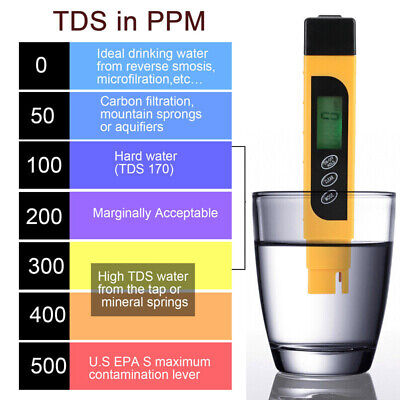
Water hardness is not a poetic expression, but a crucial value that defines certain qualities of water. The level of hardness can cause problems with plumbing systems, as well as have implications in medicine and hygiene, both domestic and industrial. To fully comprehend the significance of water hardness, it’s essential to understand its definition, measurement, and effects on various aspects of our lives.
What is Water Hardness?
Water hardness refers to the total content of calcium and magnesium ions present in water due to the presence of soluble salts. These ions can also include metals like lead, which are occasionally found in water. The most common salts that influence water hardness are sulfates, chlorides, nitrates, carbonates, or hydrogen carbonates.
When temperature increases and evaporation occurs, these salts precipitate out of solution, forming calcite or other types of deposits.
Measuring Water Hardness
There are two primary methods used to measure water hardness: the complexometric method and the titrimetric (or Boutron-Boudet) method. The first method is more precise but involves more equipment and complexity. It works by titrating a sample of water with EDTA, an acid that reacts with calcium and magnesium ions to form a colored compound.
The alternative method, titrimetry or the Boutron-Boudet method, relies on the ability of these ions to form insoluble compounds with alkali soaps. The measurement involves determining both the total hardness and permanent hardness, with temporary hardness being calculated as their difference.
Water Hardness in Italian Municipalities
A 2001 decree (DL 31/2001) recommends maximum water hardness levels for municipal supplies of 15-50 °f (degrees Fahrenheit). Monitoring water hardness is crucial due to its impact on plumbing systems, health, and hygiene issues. Moreover, the level of hardness can affect the taste, diuretic effect, digestive properties, or laxative effects of water.
Highly alkaline waters, in particular, are more likely to cause skin irritation and may be hazardous to industrial equipment. Furthermore, when these waters come into contact with organic materials during washing, they tend to form deposits that clog pipes over time.
Water Hardness Testing
The titrimetric method is an effective way to assess water hardness because it not only provides an accurate measurement but also allows for potential interventions by adding an additive (such as a water softener) to decrease the level of hardness in the water.
Calculating Water Hardness
When determining water hardness, one must understand that what needs to be reported is typically the total hardness, which is calculated from both permanent and temporary hardness. Permanent hardness represents the amount of calcium ions remaining dissolved after prolonged boiling, while temporary hardness refers to the quantity of hydrogen carbonates (or bicarbonates) present in the water prior to boiling.
Water Hardness Testing Kits
Fortunately, there are compact yet effective testing kits available that can be used at home to measure water hardness. For instance, a “Novacqua” kit is available on Amazon for just €13 and uses a titrant reagent to analyze both the hardness of the water and its calcium content.
Factors Affecting Water Hardness
There are several factors that contribute to changes in water hardness levels over time:
- Temperature: As temperature increases, water hardness tends to decrease due to evaporation.
- Pumping and Treatment: The presence of certain chemicals during treatment can alter the calcium content in water, leading to a change in its hardness level.
- Weather Conditions: Extreme weather conditions such as heavy rainfall or droughts can affect the levels of minerals present in groundwater sources.
Health Implications of High Water Hardness
Water with high hardness levels can cause health problems due to several factors:
- Skin Irritation: The high concentration of calcium and magnesium ions in water can lead to skin irritation, particularly for people with sensitive skin.
- Digestive Issues: People experiencing digestive issues may find that consuming hard water exacerbates the problem by altering its pH level.
Water Hardness Testing: A Comprehensive Overview
Water hardness testing is an essential step in determining whether the water supply meets regulatory standards and whether it poses a risk to health, hygiene, and plumbing systems. The most common methods for measuring water hardness include titration with EDTA (Ethylene Diamine Tetraacetic Acid) or the use of specialized kits.
Precautions When Testing Water Hardness
When testing water hardness at home, it is crucial to follow proper safety procedures:
- Use Protective Equipment: Wear gloves and protective eyewear when handling chemicals.
- Follow Manufacturer’s Instructions: Read and follow the manufacturer’s instructions for any testing kit or reagents used.
- Take Precautions When Handling Chemicals: Always store chemicals in well-ventilated areas, and avoid ingesting or coming into contact with them.
Conclusion
Water hardness is an important factor that impacts various aspects of our lives, from plumbing systems to health and hygiene issues. Understanding its definition, measurement methods, and effects on human health can help create a healthier living environment.
To determine the level of hardness in your home, you can use compact testing kits or hire a professional to perform an analysis. By taking steps towards reducing water hardness levels, you can minimize potential plumbing problems and maintain a healthy supply of clean drinking water for yourself and your loved ones.
FAQs: Water Hardness
- What causes high water hardness?
Water hardness is caused by the presence of salts such as sulfates, chlorides, nitrates, carbonates, or hydrogen carbonates in tap water. - Can high water hardness cause health problems?
Yes, it can lead to issues like skin irritation and gastrointestinal discomfort due to its effect on digestive properties and diuretic effects. - What methods are used to measure water hardness?
There are two primary methods: complexometric measurement (more precise but more complicated) and titrimetric (or Boutron-Boudet) method, which is simpler but requires specific conditions for accurate results. - How can I determine the level of hardness in my home?
Using a compact testing kit or hiring a professional to perform an analysis are effective ways to measure water hardness at home. - Can high water hardness cause plumbing problems?
Yes, it can lead to issues like formation of calcite deposits that block pipes over time. - What is the recommended maximum level for water hardness?
In Italy, the recommended maximum level according to a 2001 decree (DL 31/2001) is between 15-50 °f. - Can I use an additive to reduce water hardness?
Yes, it’s possible by adding water softeners that can decrease the level of hardness in your home water supply. - What are some common salts that contribute to water hardness?
Sulfates, chlorides, nitrates, carbonates, or hydrogen carbonates are among the most prevalent salts affecting water hardness levels.
By understanding the importance and implications of water hardness, we can take proactive steps towards ensuring a healthy living environment for ourselves and future generations.


