
Introduction
As the world grapples with the devastating impact of plastic waste on our environment, a new generation of biodegradable materials is emerging as a potential solution. Acido polilattico PLA (PLA) and other bioplastics are gaining attention for their unique characteristics, which make them an attractive alternative to traditional plastics. In this article, we will delve into the world of bioplastics, exploring their history, production process, applications, benefits, and challenges.
What is Acido Polilattico PLA?
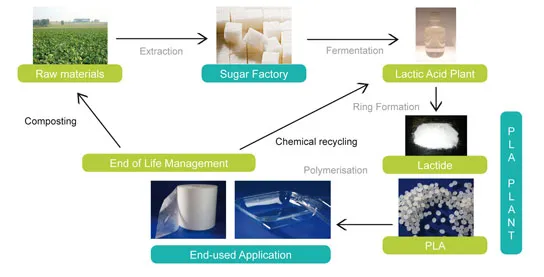
PLA stands for polylactic acid, a thermoplastic polymer derived from renewable resources such as corn starch or sugarcane. It is a biodegradable material that can be composted at the end of its life cycle, reducing the amount of plastic waste in landfills and oceans.
Characteristics of PLA
While PLA has shown promise, it still requires improvement. For instance, it is sensitive to moisture, which can render it non-biodegradable. At high temperatures above 60°C, PLA can even decompose. Currently, however, PLA is often recycled together with traditional plastics, limiting its full potential.
Applications of PLA
Despite these limitations, PLA is starting to gain traction in various industries. The first sector to adopt PLA is packaging, where it accounts for around 70% of production. We find PLA-based packaging used for food items such as milk, bread, juices, and even perfumes, soaps, and cosmetics. However, it’s crucial to note that liquids with high temperatures cannot be stored in containers made from PLA.
The Evolution of Bioplastics
Bioplastics have been around for decades, but recent advancements have led to significant improvements in production processes and material properties. One of the key factors driving this growth is the increasing demand for sustainable packaging solutions. As consumers become more environmentally conscious, companies are under pressure to develop eco-friendly alternatives to traditional plastics.
Other Bioplastics
When we talk about bioplastics, we’re seeking alternatives to traditional plastics that have a lower environmental impact. While corn-based PLA is one example, other bioplastics are derived from various sources, such as wheat, sugarcane, and even potato starch. The goal is to develop materials comparable to plastic but completely biodegradable, disappearing naturally over time or becoming fertilizer for our fields.
One product we can encounter is the bioplastic bag, often difficult to recognize. To verify its biodegradability and recyclability, look for the “biodegradable and compostable” label, along with the European standard (UNI EN 13432:2002). Finally, check for a certification mark from reputable third-party organizations like Cic, Vincotte, or Din Certco.
Recycling PLA
When it comes to recycling, only bioplastics can be recycled alongside traditional plastics. Even then, they only make up around 10% of the total plastic waste. Therefore, it’s essential to separate and properly dispose of bioplastics from other types of plastic waste.
Challenges in Scaling Up Bioplastic Production
Despite the growing interest in bioplastics, there are several challenges that need to be addressed before they can become a mainstream alternative to traditional plastics. One major issue is cost. Producing PLA from renewable resources is currently more expensive than using petroleum-based plastics. Additionally, scaling up production while maintaining quality control and ensuring consistency across different batches can be a significant challenge.
The Future of Bioplastics: Trends and Outlook
Looking ahead, researchers believe that biopolymers might replace a significant portion of petroleum-based plastics. While there’s still much work to be done, current production levels could potentially double over the next decade. However, addressing the issue of high costs and competitiveness is crucial for bioplastics to gain widespread acceptance.
In recent years, several initiatives have been launched to support the development of sustainable bioplastics. For example, the European Union has implemented regulations aimed at reducing plastic waste and promoting the use of biodegradable materials. Similarly, companies like Coca-Cola and Procter & Gamble are investing heavily in bioplastic research and development.
Conclusion
Bioplastics offer an exciting opportunity for sustainable development, providing an alternative to traditional plastics that can significantly reduce environmental harm. By understanding their history, production process, applications, benefits, and challenges, we can better appreciate the potential of bioplastics in shaping a more environmentally friendly future.
Frequently Asked Questions (FAQs)
- What is PLA made from?
PLA is produced from renewable resources such as corn starch or sugarcane.
2. Is PLA biodegradable?
Yes, PLA is biodegradable, but it can be affected by moisture and high temperatures.
3. How is PLA recycled?
Only bioplastics can be recycled alongside traditional plastics, with a limited capacity to do so (around 10%).
4. Can PLA replace traditional plastics entirely?
While PLA has significant potential, addressing cost and competitiveness issues remains crucial for widespread adoption.
5. What are some common applications of PLA?
PLA is used in packaging, agriculture, and household products, among other areas.
6. How can I ensure my bioplastics are recyclable?
Look for certification marks from reputable third-party organizations like Cic, Vincotte, or Din Certco.
7. Can I compost PLA at home?
Yes, but it’s essential to separate bioplastics from other types of plastic waste and follow proper composting procedures.
8. What is the future outlook for bioplastics?
Researchers believe that biopolymers might replace a significant portion of petroleum-based plastics in the coming years, with potential production levels doubling over the next decade.
The Benefits of Bioplastics
While there are still several challenges to overcome, bioplastics offer numerous benefits that make them an attractive alternative to traditional plastics. Some of these advantages include:
- Environmental benefits: Bioplastics can significantly reduce plastic waste and pollution, which is a major contributor to environmental degradation.
- Cost-effectiveness: While the production cost of bioplastics may be higher than traditional plastics in some cases, it’s essential to consider the long-term benefits of reducing plastic waste.
- Biodegradability: Bioplastics can easily decompose and become part of the natural cycle, eliminating the need for specialized disposal methods.
The Future of Sustainable Packaging
As consumers become increasingly environmentally conscious, companies are under pressure to develop eco-friendly packaging solutions. Bioplastics offer an exciting opportunity for sustainable development, providing an alternative to traditional plastics that can significantly reduce environmental harm.
In recent years, several initiatives have been launched to support the development of sustainable bioplastics. For example, the European Union has implemented regulations aimed at reducing plastic waste and promoting the use of biodegradable materials. Similarly, companies like Coca-Cola and Procter & Gamble are investing heavily in bioplastic research and development.
Conclusion
Bioplastics offer an exciting opportunity for sustainable development, providing an alternative to traditional plastics that can significantly reduce environmental harm. By understanding their history, production process, applications, benefits, and challenges, we can better appreciate the potential of bioplastics in shaping a more environmentally friendly future.
In conclusion, bioplastics are an innovative solution to the plastic waste problem. With advancements in technology and increasing demand for sustainable products, the future of bioplastics looks promising. However, there are still several challenges that need to be addressed before they can become a mainstream alternative to traditional plastics. By understanding these issues and working together, we can create a more environmentally friendly future for generations to come.


