
As the Italian market for Information Technology experiences a contraction of 3.8% in the first half of 2012, after losing 1.7% in 2011, the 49th edition of Smau opens in Milan from October 17 to 19 at Fieramilanocity’s halls 1 and 2.
We hope that this Italian trade show is a catalyst for the idea that Information & Communication Technology can be an enabler of growth, while some optimism comes from a less negative second half of the year (as reported by the Assinform Report recently announced a credible overall decline of 4.4% at year-end). Additionally, the approval of the Digital Agenda gives us hope.
Just over ten days after the approval of the Decreto Legge Crescita 2.0, Smau opens a window into the theme of the Digital Agenda by hosting a discussion on the key topics that make up the decree, from startups to funding for SMEs, digitalization of public administrations, e-commerce, and infrastructure networks.
The Minister of Economic Development Corrado Passera will be the guest of honor at the opening conclave, where he will focus on these themes in his speech at the inauguration event titled “Tecnologías digitales e Innovación per il rilancio dell’Economia” scheduled for Wednesday, October 17th at 11 am. Smau will open its gates an hour before that, at 10 am, within the Arena Regione Lombardia, where Antonio Palmieri of the Pdl and Paolo Gentiloni of the PD will present the themes of the parliamentary digital agenda, highlighting points of convergence with the government’s initiative.
On Thursday, October 18th at 10:30 am, we will host a conclave on Smart Cities “La Via Italiana alle Città Intelligenti”, one of Smau Milano 2012’s strongest topics. In the afternoon, at 15:30 pm, Mario Calderini, advisor to Minister Francesco Profumo and coordinator of the Smart City working group within the Agenda Digitalisazione, will illustrate how funds are allocated, totaling €1 billion, which the Miur is making available for Smart Cities, and will analyze opportunities for Italian businesses.
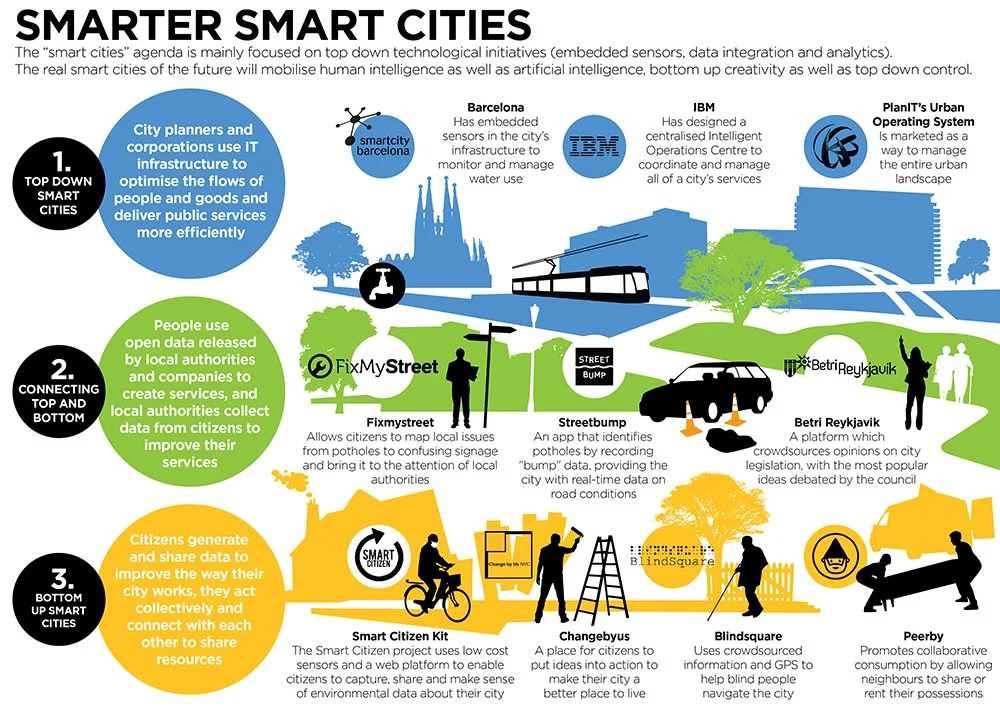
What is Smart Cities?
Smart Cities refer to urban environments that use advanced technologies and data analytics to improve the quality of life for citizens. These cities aim to create a better balance between economic growth, social well-being, and environmental sustainability.
The concept of Smart Cities has been gaining popularity in recent years, with many cities around the world adopting innovative strategies to make their urban environments more livable, efficient, and sustainable. Some examples of smart city initiatives include:
- The use of intelligent transportation systems (ITS) to optimize traffic flow and reduce congestion
- The installation of smart energy grids that can adjust energy consumption in real-time based on supply and demand
- The implementation of advanced waste management systems that can track and analyze waste production and disposal patterns
- The creation of public Wi-Fi networks that provide free internet access to citizens
The Digital Agenda: A New Era for Italy
The Digital Agenda is a government initiative aimed at promoting digitalization in Italy. It focuses on creating an innovative economy by investing in information and communication technologies (ICTs). The agenda includes various initiatives to support startups, SMEs, public administrations, and the private sector.
Some of the key objectives of the Digital Agenda include:
- Encouraging innovation and entrepreneurship through initiatives such as startup funding and incubation programs
- Improving digital literacy among citizens and businesses through training and education programs
- Enhancing public services through the adoption of digital technologies, such as online portals for public administration and e-payment systems
- Promoting the use of ICTs in the economy, including the development of a national IT strategy
Smau Milano 2012: A Platform for Discussion
Smau Milano 2012 is a trade show that brings together professionals from the ICT sector. This year’s event focuses on Smart Cities and Digital Agenda topics. The conference will provide a platform for experts to discuss the latest trends, challenges, and opportunities in these fields.
Throughout the conference, attendees will have the opportunity to engage with leading experts in the field, including Corrado Passera, Mario Calderini, and other key figures who will share their insights on the future of Smart Cities and Digital Agenda initiatives. The event also features a variety of exhibition areas where visitors can explore the latest technologies and innovations in the ICT sector.
Keynote Speaker: Corrado Passera
The Minister of Economic Development, Corrado Passera, will deliver a keynote speech at the inauguration event. He will focus on the importance of digitalization in promoting economic growth and innovation.
In his speech, Passera will discuss the role that digital technologies can play in driving economic growth and competitiveness, as well as the challenges and opportunities that Italy faces in terms of digitalization. He will also highlight the government’s commitment to supporting startups and SMEs through initiatives such as funding programs and tax incentives.
Conclave on Smart Cities
On Thursday, October 18th, we will host a conclave on Smart Cities, where experts will discuss the latest trends and opportunities in this field. The conclave is part of Smau Milano 2012’s program and aims to provide insights into the future of urban development.
During the conclave, attendees will have the opportunity to engage with leading experts in the field, including Mario Calderini, who will illustrate how funds are allocated, totaling €1 billion, which the Miur is making available for Smart Cities initiatives. The conclave also features a panel discussion on the challenges and opportunities of implementing smart city projects, as well as a presentation on the latest trends and innovations in smart city technologies.
Funding for Smart Cities
The Italian government has allocated €1 billion for funding smart cities initiatives. Mario Calderini, advisor to Minister Francesco Profumo, will illustrate how these funds are being distributed and what opportunities they offer for businesses.
Calderini will discuss the various funding programs that are available for smart city projects, including grants, subsidies, and tax incentives. He will also highlight the criteria that applicants must meet in order to be eligible for funding, as well as the timeline for awarding contracts.
Ideegreen: Media Partner of Smau Milano 2012
Ideegreen is a media partner of Smau Milano 2012, providing coverage of the event’s latest news and updates.
Throughout the conference, Ideegreen will provide live updates on social media, as well as in-depth analysis of the key issues discussed during the conclave. The website will also feature exclusive interviews with leading experts and keynote speakers, as well as a range of articles and reports on the latest trends and innovations in Smart Cities and Digital Agenda initiatives.
Conclusion
Smau Milano 2012 is an important event that highlights the importance of digitalization in promoting economic growth and innovation. The Digital Agenda is a government initiative that aims to support this process.
We hope that this conference will provide insights into the future of Smart Cities and Digital Agenda topics, helping to create a better future for Italy. The conclave on Smart Cities promises to be an exciting event that will bring together leading experts in the field, providing attendees with valuable insights and opportunities to engage with the latest trends and innovations.
Frequently Asked Questions
Q: What is Smau Milano 2012?
A: Smau Milano 2012 is an Italian trade show that focuses on Information & Communication Technology (ICT).
Q: What is the Digital Agenda?
A: The Digital Agenda is a government initiative aimed at promoting digitalization in Italy.
Q: Who will be speaking at the conference?
A: Various experts, including Corrado Passera and Mario Calderini, will deliver keynote speeches at the conference.
Q: How much funding has been allocated for Smart Cities initiatives?
A: €1 billion has been allocated by the Italian government for funding smart cities initiatives.


