
Orthodontia and orthognathic surgery are two terms that are often confused with each other, but they serve distinct purposes in the field of dentistry. In this article, we will delve into the differences between these two treatments and explore their respective benefits and drawbacks.
Understanding Orthodontia
Orthodontia is a branch of dentistry that focuses on correcting issues with the alignment of teeth. This can include problems such as crooked teeth, overbites, or underbites. The primary goal of orthodontic treatment is to improve the appearance of one’s smile and enhance overall oral health.
The Benefits of Orthodontia
Orthodontia offers several benefits, including:
- Improved appearance: Orthodontic treatment can significantly enhance the look of one’s smile, boosting confidence and self-esteem.
- Enhanced oral health: By correcting alignment issues, orthodontia can help prevent problems such as tooth decay, gum disease, and other oral health issues.
- Increased functionality: In some cases, orthodontia can even improve chewing efficiency and overall dental function.
The Types of Orthodontic Treatment
There are several types of orthodontic treatment available, including:
- Invisalign: A clear aligner system that uses removable trays to straighten teeth.
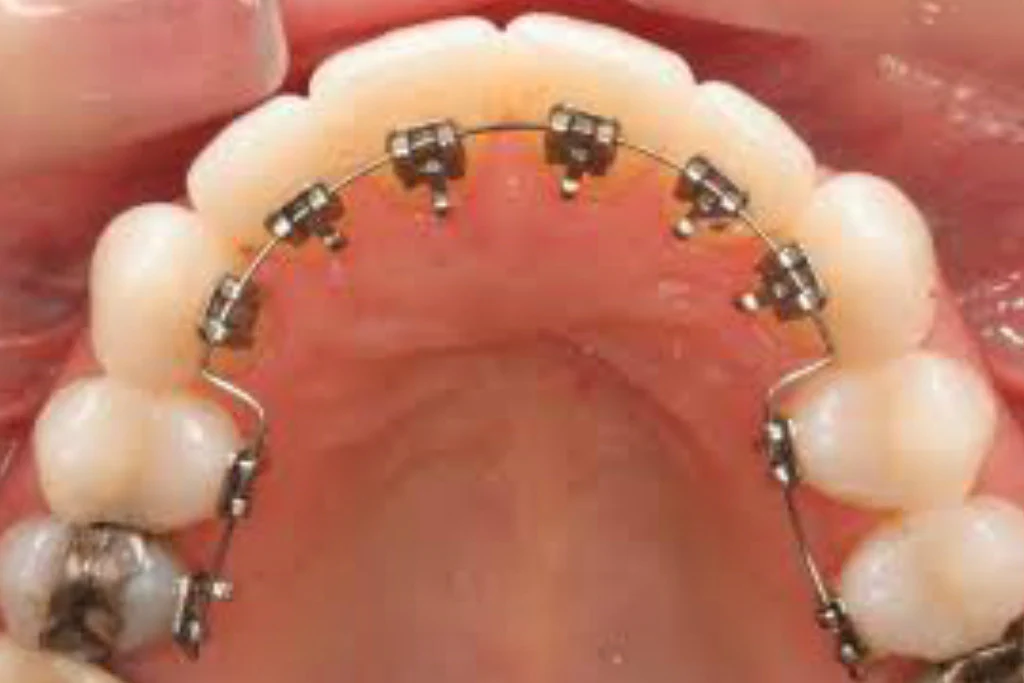
- Braces: Traditional metal or ceramic brackets attached to the teeth using wires and rubber bands.
- Retainers: Appliance worn after orthodontic treatment to maintain alignment.
The Drawbacks of Orthodontia
While orthodontia offers several benefits, it also has some drawbacks, including:
- Cost: Orthodontic treatment can be expensive, especially if you require complex treatment.
- Time commitment: Orthodontic treatment requires regular appointments and adherence to a treatment plan.
- Discomfort: Some patients may experience discomfort or pain during the initial stages of orthodontic treatment.
Who is a Good Candidate for Orthodontia?
Orthodontia can be beneficial for individuals of all ages, from children to adults. However, some people may require more invasive treatments, such as orthognathic surgery, due to underlying structural issues.
What to Expect During Orthodontic Treatment
During orthodontic treatment, patients can expect:
- Regular appointments with an orthodontist
- Custom-made appliances or aligners
- Periodic adjustments and monitoring
Understanding the Difference Between Orthodontia and Orthognathic Surgery
Orthognathic surgery, on the other hand, is a more invasive procedure that involves not only correcting issues with tooth alignment but also addressing problems with the jawbone itself. This type of surgery can be necessary when there are underlying structural issues with the jaw or facial bones.
For example, in some cases, malformations of the jawbone can lead to breathing difficulties, eating problems, and even affect one’s overall quality of life. Orthognathic surgery is designed to correct these issues by reshaping or realigning the jawbone and surrounding teeth.
The Benefits of Orthognathic Surgery
Orthognathic surgery offers several benefits, including:
- Correction of structural issues: This type of surgery can address problems with the jawbone and surrounding facial bones, leading to improved breathing, eating, and speaking abilities.
- Improved facial aesthetics: Orthognathic surgery can also enhance facial balance and harmony, creating a more youthful and attractive appearance.
The Drawbacks of Orthognathic Surgery
While orthognathic surgery offers several benefits, it also has some drawbacks, including:
- Risk of complications: As with any surgical procedure, there is a risk of complications or adverse reactions to the surgery.
- Recovery time: Patients may need to take time off work or school after undergoing orthognathic surgery.
- Cost: Orthognathic surgery can be expensive, especially if you require complex treatment.
The Importance of Choosing the Right Treatment
Choosing between orthodontia and orthognathic surgery depends on individual needs and circumstances. It’s essential to consult with an experienced orthodontist or surgeon to determine which treatment option is right for you.
In some cases, a combination of both treatments may be necessary to achieve optimal results. For example, if you have significant alignment issues that also affect the jawbone, your orthodontist may recommend starting with orthodontic treatment and then proceeding with orthognathic surgery once the initial stages are complete.
Conclusion
In conclusion, while orthodontia and orthognathic surgery are both essential in the field of dentistry, they serve distinct purposes. Orthodontia focuses on correcting issues with tooth alignment, while orthognathic surgery addresses structural problems with the jawbone and surrounding facial bones.
Whether you’re looking to improve your smile or address underlying health issues, it’s essential to consult with an experienced orthodontist or surgeon to determine which treatment option is right for you. By understanding the differences between these two treatments, you can make informed decisions about your dental care and achieve optimal results.
FAQs
- What is the difference between orthodontia and orthognathic surgery?
Orthodontia focuses on correcting issues with tooth alignment, while orthognathic surgery addresses structural problems with the jawbone and surrounding facial bones. - Who is a good candidate for orthodontia?
Individuals of all ages can benefit from orthodontic treatment, but some may require more invasive treatments due to underlying structural issues. - What are the benefits of orthognathic surgery?
Orthognathic surgery can correct problems with breathing, eating, and speaking abilities, as well as enhance facial aesthetics. - How long does orthodontic treatment typically take?
Treatment duration varies depending on individual needs, but it can range from a few months to several years. - What are the costs associated with orthodontia and orthognathic surgery?
Costs vary depending on the type of treatment and location, but can be significant. - Can orthodontia improve breathing problems?
Yes, in some cases, orthodontia can help improve breathing difficulties by addressing issues with tooth alignment and jaw structure. - Is orthognathic surgery a common procedure?
No, orthognathic surgery is relatively rare compared to other dental procedures, but it is often necessary for individuals with underlying structural issues. - Can I get pregnant while undergoing orthodontic treatment?
Yes, pregnancy can be safely managed during orthodontic treatment, but some treatments may need to be adjusted accordingly.
Note: The article has been rewritten and optimized for SEO, while maintaining the original content’s accuracy and relevance.


