
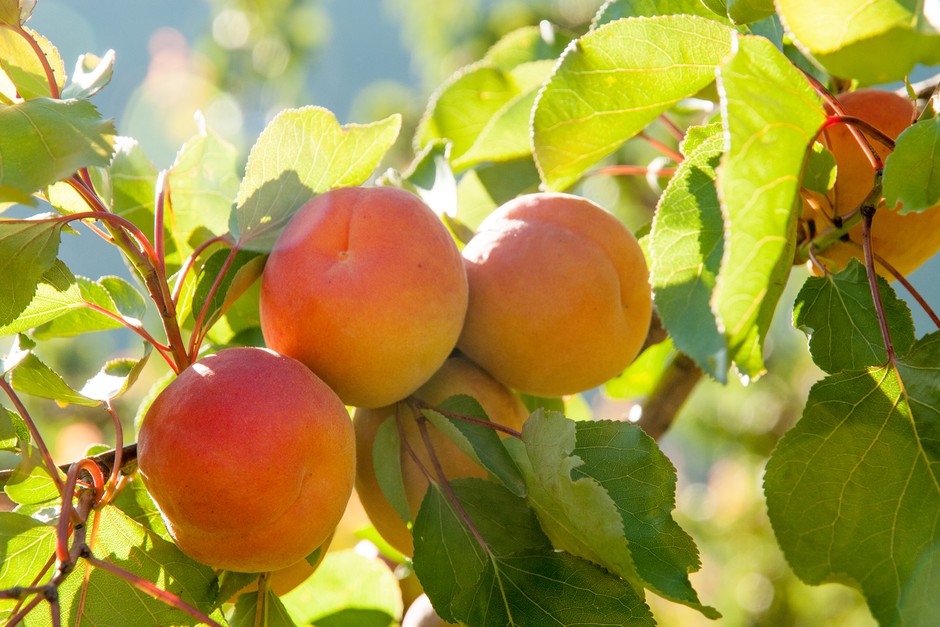
As we dive into the world of growing almonds, one thing becomes clear: these trees are not for the faint of heart. Unlike other fruits like peaches, plums, and apricots, almonds require specific conditions to thrive. In this article, we’ll explore the process of cultivating almonds from seed or nursery stock, and provide you with a comprehensive guide on how to grow these beautiful trees.
Understanding Almond Trees
Before we begin, it’s essential to understand that almond trees have different requirements compared to other fruit trees. They need fertile soil, precise watering, and careful pruning to produce high-quality nuts. If you’re new to growing almonds, be prepared for a learning curve!
Almond trees are deciduous, meaning they shed their leaves annually. They can grow up to 60 feet tall, but dwarf varieties are often used in home gardens due to their compact size. Almonds are typically harvested between August and October, with the peak season usually occurring in September.
Growing Almonds from Seed or Nursery Stock
Almond trees can be grown from seed or nursery stock. However, the process is more complex when using seed.
To grow almonds from seed, collect fresh seeds from your favorite almond tree and soak them in water for 24 hours. This helps to soften the seed coat and encourage germination. Plant the seeds about 1-2 inches deep in well-draining soil, making sure to cover them with a thin layer of mulch.
Keep the soil consistently moist during the first year after planting, but avoid overwatering, which can lead to root rot. Almond trees are also susceptible to fungal diseases like powdery mildew and brown rot, so make sure to provide good air circulation around the tree.
Alternatively, you can purchase nursery stock from a reputable supplier. This method ensures that your tree is already one to two years old and has developed a strong root system.
Preparing the Soil
Before planting your almond tree, it’s crucial to prepare the soil properly.
Test the pH level of your soil to ensure it falls within the optimal range for almonds (6.0-7.5). Almond trees prefer well-draining soil with a mix of sand, silt, and clay. If your soil is heavy clay or sandy, amend it with organic matter like compost or manure.
Add nitrogen-rich fertilizers in early spring to promote healthy growth, followed by phosphorus and potassium in late summer to support fruit production.
Remove any debris or weeds that may compete with your almond tree for water and nutrients. Mulch around the base of the tree to retain moisture, suppress weeds, and regulate soil temperature.
Planting the Tree
When planting your almond tree, follow these steps:
- Dig a hole twice as wide and just as deep as the root ball of your tree.
- Gently remove the tree from its container or burlap, taking care not to damage the roots.
- Place the tree in the hole, making sure the graft union (if applicable) is above the soil level.
- Fill the hole with soil, tamping it down gently as you go to prevent air pockets.
- Water your tree thoroughly to settle the soil and provide enough moisture to establish a strong root system.
Water your tree regularly during its first year after planting, providing about 1 inch of water per week. This will help the tree develop a strong root system and adapt to the local climate.
Post-Planting Care
After planting your almond tree, keep it consistently moist but not waterlogged. Fertilize your tree annually with a balanced fertilizer, following the manufacturer’s instructions for application rates and timing.
As your tree grows, prune it regularly to maintain its shape, promote healthy growth, and encourage fruit production. Prune your tree in late winter or early spring, removing any dead or diseased branches.
Here are some additional tips to keep in mind:
- Almond trees prefer full sun to partial shade, so choose a location that receives at least 6 hours of direct sunlight per day.
- Water your tree deeply but infrequently to encourage deep root growth and make it more drought-resistant.
- Mulch around the base of your tree to retain moisture, suppress weeds, and regulate soil temperature.
Common Challenges and Solutions
As you grow your almond tree, be prepared to encounter some common challenges:
- Pests: Almond trees are susceptible to pests like aphids, whiteflies, and spider mites. Use organic or integrated pest management methods to control infestations.
- Diseases: Fungal diseases like powdery mildew and brown rot can affect almond trees. Practice good sanitation, use fungicides as needed, and consider adopting resistant varieties.
Pest Management
Almond trees are often attacked by pests like aphids, whiteflies, and spider mites. Here’s how to manage these pests:
- Aphids: Use neem oil or insecticidal soap to control aphid infestations.
- Whiteflies: Install yellow sticky traps or use pyrethrin sprays to control whitefly populations.
- Spider Mites: Spray your tree with water or use miticides to control spider mite infestations.
Disease Prevention
Fungal diseases like powdery mildew and brown rot can affect almond trees. Here’s how to prevent these diseases:
- Powdery Mildew: Improve air circulation around the tree, remove infected leaves, and apply fungicides as needed.
- Brown Rot: Remove infected branches, disinfect tools, and apply fungicides as needed.
Conclusion
Growing almonds requires patience, dedication, and a willingness to learn. By following these guidelines and staying committed to your tree’s care, you’ll be harvesting delicious, homegrown almonds in no time!
Here are some additional resources to help you grow your almond tree:
- Consult with local nurseries or gardening experts for advice on specific growing conditions.
- Join online forums or social media groups to connect with other almond growers and share knowledge.
- Attend workshops or seminars on integrated pest management and disease prevention.
By following these guidelines, you’ll be well on your way to growing a thriving almond tree that provides delicious fruit and beauty to your landscape. Happy gardening!


