
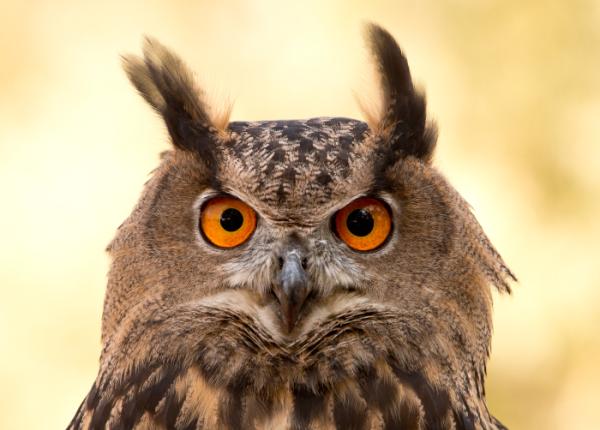
As the largest and only nocturnal owl species suitable for hunting, the Royal Owl is a prized bird among hunters and enthusiasts alike. But before we dive into its fascinating world, let’s explore what makes this majestic creature unique.
Characteristics of the Royal Owl
The Royal Owl (Bubo bubo) is part of several subspecies, including:
- Bubo bubo bubo
- B. bubo sibiricus (the largest and most northern subspecies)
- B. b. turcomanus (smaller and with lighter plumage)
- Sottospecie B. bubo omissus
These subspecies are often referred to as the “Royal Owl European” due to their widespread presence in the Alps and mountainous regions of Europe.
Reproduction
The Royal Owl breeds between March and April, typically choosing natural cavities like rocks, tree holes, or old buildings for its nest. The owl can reuse abandoned nests without worrying about restoring them. Maturity is reached around two years of age, although the first successful breeding may occur at three.
Hunting and Training
As the only nocturnal owl species suitable for hunting, Royal Owls are trained to catch Lagomorphs (rabbits, hares, and squirrels). The most commonly used tool for this purpose is the Astone. However, training a Royal Owl requires significant space due to its robust build and large wingspan.
Care and Maintenance
Proper care is crucial for these birds. Spacing needs to be taken into consideration as they have an extensive appetite. With their unique characteristics and high maintenance costs, it’s essential to consider all aspects before deciding to bring a Royal Owl home.
Cost of the Royal Owl
Due to its rising popularity (thanks in part to the Harry Potter series), the price of Royal Owls has increased significantly. Prices range from 300 to 600 euros. It’s worth noting that while purchasing is possible, maintaining one can be expensive due to factors like feeding, veterinary care, and housing.
Conservation Status
As a protected species in Europe, the Royal Owl faces threats such as habitat loss and collisions with power lines. In Italy, it’s forbidden to hunt, disturb, or transport them without proper documentation.
The Royal Owl is an extraordinary bird that has captured many hearts due to its unique characteristics and hunting abilities. Before considering bringing one home, make sure you’re aware of the challenges involved in caring for this magnificent creature.
Frequently Asked Questions
- What is the difference between a Royal Owl and a Civetta?
- A Civetta is smaller and less powerful than a Royal Owl.
- Which subspecies are most commonly kept as pets?
- The Bubo bubo bubo and B. bubo sibiricus are often considered for captivity, but their sizes differ significantly.
- Can the Royal Owl be trained to hunt other animals besides Lagomorphs?
- Yes, it can be trained to catch a variety of small game.
- Are there any specific climates or regions where Royal Owls thrive better?
- The climate and region play a significant role in determining the success of their breeding cycles.
- How long does it take for a Royal Owl to reach maturity?
- Typically, around 2 years old.
- What is the average lifespan of a Royal Owl in captivity?
- Approximately 10-15 years with proper care and maintenance.
Interesting Facts
- The Royal Owl has exceptional night vision due to its large size and round eyes. In fact, it can spot prey from as far as 1 kilometer away.
- These owls are skilled hunters, and their hunting success rate is significantly higher than that of domesticated birds.
- The Royal Owl’s diet consists mainly of small mammals like rabbits, hares, and rodents.
Hunting Methods
In order to ensure a successful hunt, various techniques can be employed. One technique involves using a trained owl, which can be released into the area where the prey is known to be present.
Another method involves using night vision goggles or binoculars to locate and spot the prey, before releasing the trained owl to capture it.
Creating an Ideal Environment
Providing your Royal Owl with a suitable environment will ensure its well-being. When creating the habitat for your owl, consider factors such as space availability, adequate lighting, food sources, and proper temperature control.
In order to create the perfect habitat, you should first determine the specific needs of your bird based on age, size, and breed. You can also research and learn more about owl care from reputable websites or experts in the field.
Creating a Safe Environment
To ensure that your Royal Owl remains safe and healthy, it’s crucial to minimize risks. The environment should be free of hazards such as sharp objects, electrical cords, and any other potential threats.
Additionally, provide your bird with adequate shelter, including nesting boxes or hiding places where it can retreat if needed.
Training Your Owl
The process of training a Royal Owl involves patience, consistency, and positive reinforcement. Start by introducing the owl to its surroundings, allowing it to become accustomed to the environment before beginning any training sessions.
Gradually introduce new sights, sounds, and experiences, such as hunting exercises or social interactions with other birds, to help your owl develop its skills and build confidence.
Socialization
Socialization plays a critical role in the development of a Royal Owl’s behavior. In order for the bird to be properly socialized, it must be exposed to various environments, situations, and animals from an early age.
By engaging with different individuals, including both other birds and humans, your owl will develop its communication skills, learn to interact appropriately, and build strong bonds.
Tips for Owning a Royal Owl
Before deciding to bring a Royal Owl into your life, there are several factors to consider:
- Availability of space: Ensure that you have sufficient room in your home or property to accommodate the bird’s needs.
- Suitable living arrangements: Find an owl-friendly environment that provides adequate shelter and protection from predators.
- Diet and nutrition: Provide a balanced diet rich in nutrients, including meat, fruits, and vegetables.
Veterinary Care
To ensure the overall health of your Royal Owl, it’s essential to have access to experienced veterinarians familiar with owl care. Regular check-ups can help detect any potential issues early on, allowing for prompt treatment.
Additionally, having a reliable veterinarian on hand will provide peace of mind when caring for your bird.
Conclusion
The Royal Owl is an extraordinary creature that deserves our appreciation and respect. With its unique characteristics, hunting abilities, and majestic appearance, it’s no wonder this owl has captured the hearts of many enthusiasts.
However, owning a Royal Owl comes with significant responsibilities, including providing proper care, training, and maintaining a safe environment.
By considering all aspects involved in caring for these magnificent birds, you can ensure that your experience is both rewarding and fulfilling.


