
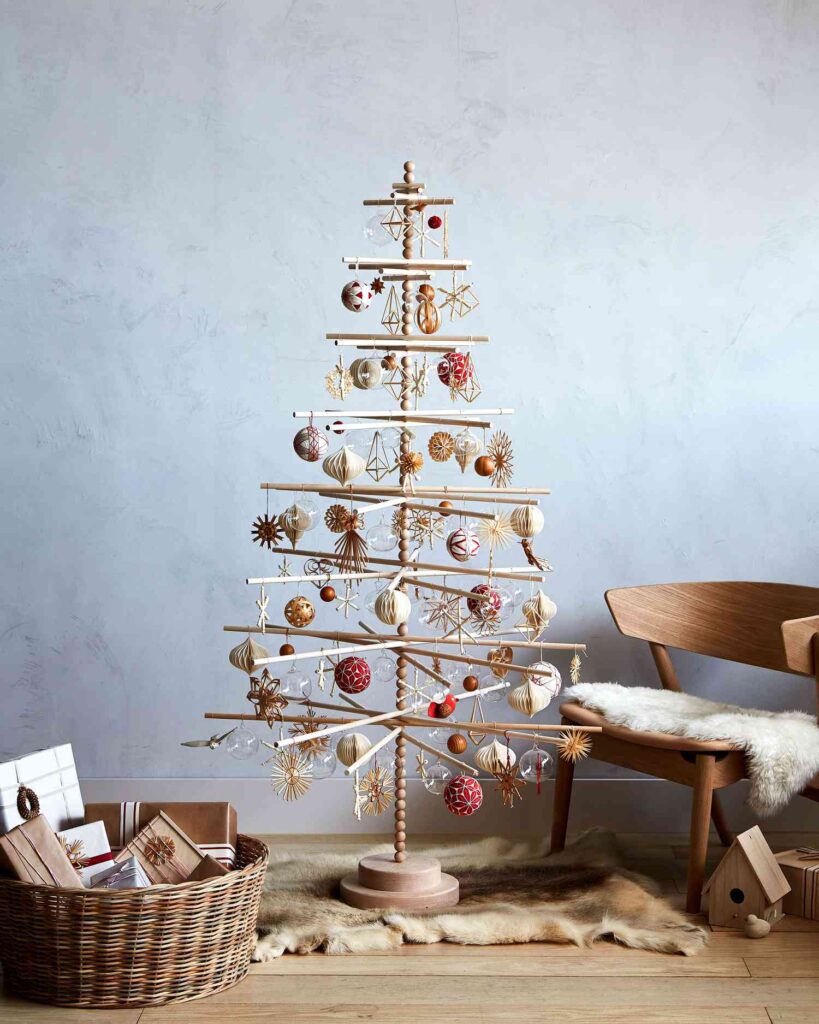
As the holiday season approaches, many of us find ourselves torn between the traditional Christmas tree and a more eco-friendly alternative. In this article, we’ll explore the benefits of ditching the real tree and opting for a sustainable and creative solution that’s perfect for small spaces or those who want to reduce their environmental impact.
What is an Alternative to the Christmas Tree?
If you’re looking for a substitute for the traditional Christmas tree, there are many options available. You can choose from various types of plants, such as conifers, flowering plants, and even artificial trees that mimic the look of real ones. Some popular alternatives include:
- Living trees: These can be potted and placed in a corner or against a wall, adding a touch of greenery to your space.
- Decorative branches: Use natural or artificial branches to create a unique centerpiece for your holiday decor.
- Flower arrangements: Create a beautiful arrangement using seasonal flowers to add color and fragrance to your home.
The Challenges of Traditional Christmas Trees
Traditional Christmas trees have several drawbacks. They require regular watering, which can lead to water damage and mess. Additionally, they take up a significant amount of space in your home or garden, making them unsuitable for small spaces or apartments. Furthermore, many real trees are sourced from unsustainable forests, contributing to deforestation and habitat loss.
Environmental Impact
The production and disposal of traditional Christmas trees have a significant environmental impact:
- Deforestation: Many real trees are sourced from sustainably managed forests, but some companies contribute to deforestation by clear-cutting large areas for agriculture or urban development.
- Water pollution: The process of growing and harvesting Christmas trees can lead to water pollution, particularly if pesticides and fertilizers are used.
- Waste management: At the end of their lifespan, traditional Christmas trees often end up in landfills, where they contribute to greenhouse gas emissions.
Eco-Friendly Alternatives
If you’re looking for a more eco-friendly option, consider the following alternatives:
- Artificial trees: Made from materials like PVC or polyester, these trees mimic the look of real ones without the environmental impact.
- Living trees in planters: Choose plants that thrive in indoor conditions and can be easily cared for, such as snake plants or peace lilies.
- Potted plants with a festive twist: Add some holiday cheer to your potted plants by decorating them with festive ribbons or decorations.
Creative DIY Projects
If you’re crafty, consider creating your own unique Christmas tree alternative. You can use:
- Stencils and paint: Create a festive design on your wall using stencils and paint.
- LED lights: Use LED lights to create a stunning display that’s energy-efficient and eco-friendly.
- Cardboard or paper trees: Get creative with cardboard or paper to make a unique tree that’s biodegradable.
Shopping for Pre-Made Alternatives
If you’re short on time or prefer a hassle-free solution, consider shopping for pre-made alternatives. Some popular options include:
- Adhesive Christmas trees: These trees are attached directly to your wall and come in various shapes, sizes, and designs.
- Faux Christmas trees: Made from materials like PVC or polyester, these trees mimic the look of real ones without the environmental impact.
- LED-lit garlands: Add some festive cheer to your home with energy-efficient LED lights that can be draped over banisters or mantles.
Tips for a Sustainable Holiday Season
To make your holiday season more sustainable, consider the following tips:
- Buy local and seasonal: Choose plants and decorations that are locally sourced and in season to reduce carbon emissions from transportation.
- Use eco-friendly packaging: Opt for biodegradable packaging materials or reuse materials whenever possible.
- Recycle and repurpose: Get creative with leftover materials and recycle them into unique holiday decorations.
Conclusion
The holiday season is a time for celebration and joy. By opting for an alternative to the traditional Christmas tree, you can reduce your environmental impact while still enjoying the festive atmosphere. Whether you choose a plant, DIY project, or pre-made solution, there’s something for everyone. Happy decorating!


