
What is the Future of Our Planet?
The Expo 2015, titled “Nutrire il Pianeta. Energia per la Vita” (Feeding the Planet. Energy for Life), aims to bring about a new era of sustainability and innovation in the fields of food production and energy consumption. But can an international exhibition truly make a difference in our daily lives? We’ll explore the challenges and opportunities that lie ahead, and examine whether the Expo 2015 will be a turning point for a more sustainable future.
A New Era for Cities and Countryside
The Expo 2015 offers a unique chance to rekindle the relationship between citizens and cities, as well as between cities and countryside. This new dynamic is crucial for driving production and consumption within the same city, reducing waste and promoting sustainable development. As Professor Pier Sandro Coccinelli, microbiologist at the University of Piacenza, notes: “The purpose of Expo is to reimagine a fertile city filled with ideas and food production, also in an international spirit of solidarity and cooperation.”
The Alarming State of Global Food Security
Unfortunately, global food security is facing unprecedented challenges. With no excess food production worldwide, even countries like China and India are struggling to meet the demands of their growing populations. As Professor Coccinelli points out: “To produce a kilogram of chicken meat requires seven kilograms of cereals.” This highlights the urgent need for innovative solutions in the agricultural sector.
Sustainable Food Production and Innovation
The Expo 2015 offers an opportunity to showcase cutting-edge technologies and scientific innovations that can help address these challenges. By reprogramming food production systems, we can increase yields while reducing environmental impact. As one expert notes: “We need to rethink the supply chain of food products and find more efficient ways to produce and distribute them.”
Precision Agriculture: The Future of Food Production
One of the key innovations showcased at Expo 2015 is precision agriculture. This involves using advanced technologies such as drones, satellite imaging, and sensors to optimize crop yields, reduce water consumption, and minimize waste. By leveraging these tools, farmers can make data-driven decisions that improve their crops’ resilience and productivity.
Urban Agriculture: A Growing Movement
Another area of focus at Expo 2015 is urban agriculture. This involves growing food in cities, often using innovative techniques such as vertical farming and hydroponics. Urban agriculture has the potential to reduce food transportation costs, increase access to fresh produce, and create new economic opportunities for urban communities.
The Environmental Impact of Expo 2015
However, there are also concerns about the environmental impact of the Expo 2015 itself. The construction of the exhibition site has already resulted in significant habitat destruction, with over 1,400 football fields (approximately 1,000 hectares) being sacrificed to make way for the event. Moreover, the cementation process required for the infrastructure is expected to increase greenhouse gas emissions.
A Call to Action
As we look towards the future, it’s essential that we address these pressing issues and work towards a more sustainable world. The Expo 2015 represents an opportunity for us to come together and find innovative solutions to the challenges facing our planet.
Conclusion: A New Era of Sustainability
The Expo 2015 is not just an international exhibition – it’s a call to action for all of us to work together towards a more sustainable future. By embracing new technologies, rethinking production systems, and promoting international cooperation, we can create a better world for generations to come.
Frequently Asked Questions (FAQs)
- What is the main goal of Expo 2015?
Expo 2015 aims to promote sustainable food production and energy consumption, while addressing global challenges such as climate change and environmental degradation. - How does the Expo 2015 relate to food security?
The Expo 2015 focuses on finding innovative solutions to address global food security challenges, including reducing waste and increasing yields through sustainable agricultural practices. - What is the expected impact of the Expo 2015 on energy consumption?
The Expo 2015 aims to promote energy-efficient technologies and practices, which will contribute to a reduction in greenhouse gas emissions and promote sustainable development. - How does the Expo 2015 address environmental concerns?
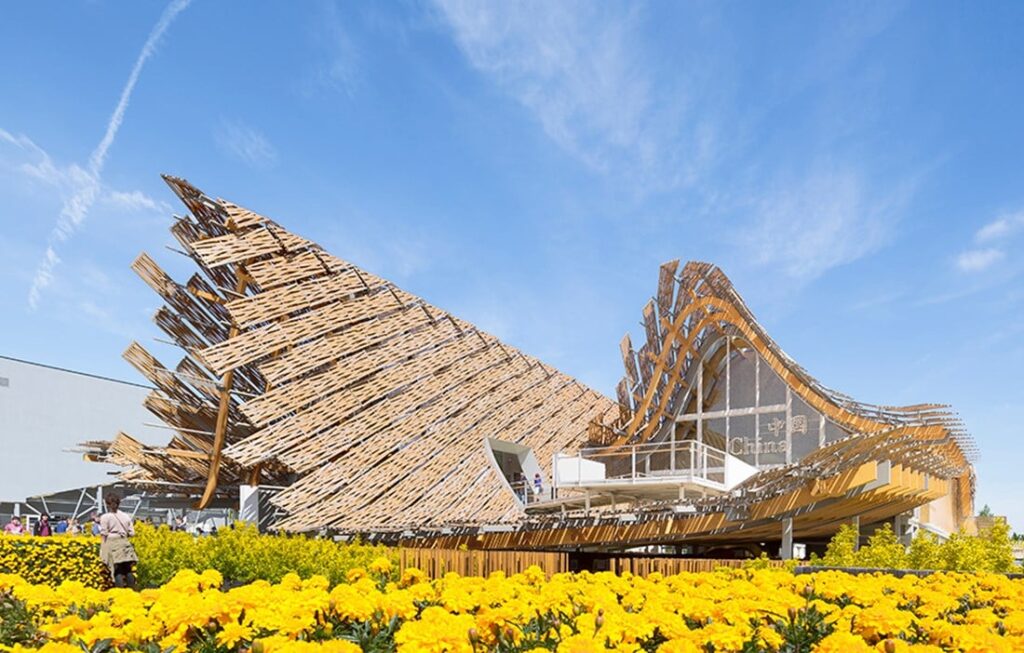
The Expo 2015 incorporates green architecture and sustainable design principles, aiming to minimize its own environmental footprint while promoting eco-friendly practices among visitors. - What role do cities play in addressing global sustainability challenges?
Cities have a critical role to play in driving sustainable development by implementing innovative solutions, reducing waste, and promoting green technologies. - How can individuals contribute to the Expo 2015’s goals?
Individuals can contribute to the Expo 2015’s goals by adopting sustainable practices, reducing energy consumption, and supporting environmentally-friendly policies. - What is the significance of international cooperation in addressing global sustainability challenges?
International cooperation is essential for addressing global sustainability challenges, as it allows countries to share knowledge, expertise, and resources to create a more sustainable future. - How can governments support the Expo 2015’s goals?
Governments can support the Expo 2015’s goals by implementing policies that promote sustainable development, reducing waste, and investing in green technologies.
By working together towards these common goals, we can build a better future for our planet and create a more sustainable world for generations to come.
The Impact of the Expo 2015 on Food Security
The Expo 2015 has already made significant contributions to food security globally. The exhibition has brought attention to innovative agricultural practices and technologies that can help address the challenges facing global food systems.
One notable example is the development of drought-resistant crops, which can help farmers produce more food while reducing water consumption. Another example is the use of vertical farming, which can increase crop yields while minimizing land use and environmental impact.
The Role of Technology in Sustainable Food Production
Technology plays a crucial role in sustainable food production, from precision agriculture to urban agriculture. By leveraging advanced technologies such as drones, satellite imaging, and sensors, farmers can optimize their crops’ resilience and productivity.
Urban agriculture is another area where technology can make a significant impact. By using innovative techniques such as hydroponics and aeroponics, urban farmers can increase crop yields while minimizing water consumption and reducing waste.
The Importance of Sustainable Agriculture
Sustainable agriculture is critical for addressing the challenges facing global food systems. This involves producing food in ways that minimize environmental impact, promote soil health, and support biodiversity.
By adopting sustainable agricultural practices, farmers can reduce their reliance on pesticides and fertilizers, while also improving crop yields and reducing waste. Additionally, sustainable agriculture promotes fair labor practices and supports local economies.
The Future of Food Production: Trends and Opportunities
The future of food production is shaped by a range of trends and opportunities. One notable trend is the increasing adoption of precision agriculture, which involves using advanced technologies such as drones, satellite imaging, and sensors to optimize crop yields.
Another trend is the growth of urban agriculture, which can increase crop yields while minimizing land use and environmental impact. Additionally, there is a growing interest in sustainable agriculture practices, including organic farming and regenerative agriculture.
The Impact of Expo 2015 on Urban Agriculture
Expo 2015 has already made significant contributions to urban agriculture globally. The exhibition has brought attention to innovative urban agriculture techniques and technologies that can help increase crop yields while minimizing land use and environmental impact.
One notable example is the development of vertical farming, which can increase crop yields while minimizing water consumption and reducing waste. Another example is the use of hydroponics and aeroponics, which can increase crop yields while minimizing land use and environmental impact.
The Role of Governments in Supporting Urban Agriculture
Governments play a critical role in supporting urban agriculture. By implementing policies that promote sustainable development, reduce waste, and invest in green technologies, governments can create an environment that fosters the growth of urban agriculture.
One notable example is the development of urban agriculture plans, which can help cities prioritize their agricultural resources and identify areas for growth. Another example is the provision of incentives for urban farmers, such as tax breaks or low-interest loans.
The Future of Sustainable Cities
The future of sustainable cities is shaped by a range of trends and opportunities. One notable trend is the increasing adoption of green technologies, which can help reduce greenhouse gas emissions and promote sustainable development.
Another trend is the growth of urban agriculture, which can increase crop yields while minimizing land use and environmental impact. Additionally, there is a growing interest in sustainable cities, including initiatives such as smart grids and renewable energy systems.
Conclusion: A New Era of Sustainability
The Expo 2015 represents an opportunity for us to come together and find innovative solutions to the challenges facing our planet. By embracing new technologies, rethinking production systems, and promoting international cooperation, we can create a better world for generations to come.
As we look towards the future, it’s essential that we address these pressing issues and work towards a more sustainable world. The Expo 2015 is not just an international exhibition – it’s a call to action for all of us to work together towards a more sustainable future.
The Impact of Expo 2015 on International Cooperation
Expo 2015 has already made significant contributions to international cooperation globally. The exhibition has brought attention to innovative solutions and technologies that can help address the challenges facing our planet.
One notable example is the development of global agricultural agreements, which can help countries share knowledge, expertise, and resources to create a more sustainable future. Another example is the growth of international collaborations in urban agriculture, which can help cities prioritize their agricultural resources and identify areas for growth.
The Role of International Cooperation in Addressing Global Sustainability Challenges
International cooperation is essential for addressing global sustainability challenges, as it allows countries to share knowledge, expertise, and resources to create a more sustainable future. By working together, we can address the complex challenges facing our planet, including climate change, biodiversity loss, and environmental degradation.
The Importance of Sustainable Development Goals
Sustainable development goals are critical for creating a better world for generations to come. The United Nations has set 17 global goals that aim to promote sustainable development and reduce poverty.
One notable example is the goal to end hunger and achieve food security by 2030. Another example is the goal to improve global health and well-being by 2030. Additionally, there are several other goals related to environmental sustainability, including reducing greenhouse gas emissions and promoting clean energy systems.
The Future of Sustainable Cities: Trends and Opportunities
The future of sustainable cities is shaped by a range of trends and opportunities. One notable trend is the increasing adoption of green technologies, which can help reduce greenhouse gas emissions and promote sustainable development.
Another trend is the growth of urban agriculture, which can increase crop yields while minimizing land use and environmental impact. Additionally, there is a growing interest in sustainable cities, including initiatives such as smart grids and renewable energy systems.
Conclusion: A New Era of Sustainability
The Expo 2015 represents an opportunity for us to come together and find innovative solutions to the challenges facing our planet. By embracing new technologies, rethinking production systems, and promoting international cooperation, we can create a better world for generations to come.
As we look towards the future, it’s essential that we address these pressing issues and work towards a more sustainable world. The Expo 2015 is not just an international exhibition – it’s a call to action for all of us to work together towards a more sustainable future.


