
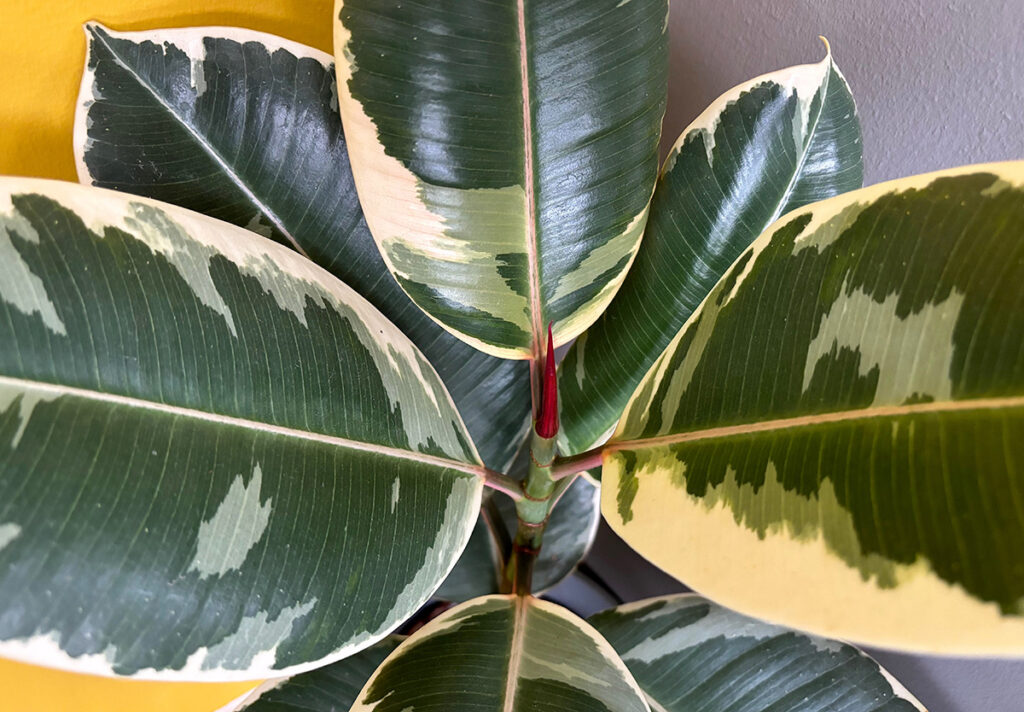
As an avid plant enthusiast, you’re likely familiar with the iconic Ficus elastica, also known as the Rubber Tree or Banyan Fig. Native to tropical regions, this stunning tree is prized for its striking bark and vibrant foliage. But did you know that with proper care and attention, your Ficus elastica can thrive indoors, even in low-light conditions?
Understanding the Needs of Ficus Elastica
Before we dive into the nitty-gritty of growing Ficus elastica, it’s essential to understand its native habitat and specific needs. This adaptable tree is native to tropical regions with high humidity and temperatures between 64°F to 75°F (18°C to 24°C). To replicate these conditions indoors, you’ll need to provide your plant with:
- High Humidity: Ficus elastica loves a humid environment, making nebulizing the leaves or using a humidifier essential.
- Bright, Indirect Light: Avoid direct sunlight, which can cause leaf scorch and discoloration. Instead, opt for bright, indirect light sources like north- or east-facing windows.
- Well-Draining Soil: Use a well-draining potting mix to prevent waterlogged soil, which can lead to root rot.
The Importance of Watering
Watering your Ficus elastica is crucial, but overwatering can be detrimental. To avoid this common mistake:
- Use Distilled Water: Tap water contains minerals that can raise the pH level in your soil, causing nutrient deficiencies.
- Water Frequently: Water your plant when the top inch of soil feels dry to the touch, usually every 1-2 weeks during spring and summer months.
Fertilization: Feeding Your Ficus Elastica
A balanced fertilizer is essential for maintaining your Ficus elastica’s health. To fertilize:
- Concime Granulare: Apply a slow-release granular fertilizer once a year, following the manufacturer’s instructions.
- Mensile Concimi: For optimal growth and foliage color, apply an organic-based fertilizer every 2 weeks during spring and summer.
Pruning: Shaping Your Ficus Elastica
To maintain your Ficus elastica’s shape and promote healthy growth:
- Prune Regularly: Prune your plant every 6-12 months to maintain a desired size or shape.
- Pruning Technique: Use clean, sharp tools to prune the tips of branches, promoting new growth.
Growing Ficus Elastica in Pots
If you’re looking to grow your Ficus elastica in pots, here are some additional tips:
- Use a Large Enough Pot: Choose a pot that’s at least 1-2 sizes larger than the plant’s root system.
- Drainage System: Ensure the pot has adequate drainage holes to prevent waterlogged soil.
Growing Ficus Elastica in Full Sun
If you live in an area with full sun, your Ficus elastica can thrive. To care for your tree in full sun:
- Provide Shade: Offer some shade during the hottest part of the day using a sheer curtain or shade cloth.
- Increased Watering: Increase watering frequency to prevent leaf scorch and discoloration.
Growing Ficus Elastica in Full Shade
If you don’t have access to full sun, your Ficus elastica can still thrive in partial shade:
- Increase Humidity: Maintain high humidity levels using a humidifier or by placing the pot on a tray with pebbles and water.
- Increased Watering: Increase watering frequency to prevent leaf scorch and discoloration.
The Benefits of Growing Ficus Elastica
Growing Ficus elastica offers numerous benefits, including:
- Improved Air Quality: This plant is known for its ability to remove pollutants and toxins from the air.
- Stress Relief: Studies have shown that being around plants can reduce stress levels and improve overall well-being.
Common Issues and Solutions
Don’t let common issues like ingrown roots or yellowing leaves get in the way of enjoying your Ficus elastica. Here are some troubleshooting tips:
- Yellow Leaves: Yellow leaves can indicate overwatering, underwatering, or nutrient deficiencies. Adjust your watering schedule and consider using a balanced fertilizer.
- Ingrown Roots: Ingrown roots can cause problems with potting. Prune the roots gently to prevent damage.
Tips for Repotting Your Ficus Elastica
Repotting your Ficus elastica is essential for maintaining its health and promoting healthy growth:
- Choose the Right Time: Repot your plant during the spring or summer months when it’s actively growing.
- Prepare the Soil: Use a well-draining potting mix to prevent waterlogged soil.
Pest Control: Keeping Pests Away
To keep pests away from your Ficus elastica:
- Inspect Regularly: Inspect your plant regularly for signs of pests, such as spider mites or mealybugs.
- Use Organic Methods: Use organic methods, such as neem oil or insecticidal soap, to control pest infestations.
Propagation: Growing New Plants
If you want to share your Ficus elastica with friends or expand your plant collection, consider propagating a new plant:
- Cuttings: Take cuttings from healthy branches and root them in water or soil.
- Division: Divide the roots of an established plant to create new plants.
Conclusion
Growing Ficus elastica requires attention to detail, but with the right care and attention, you can enjoy this stunning tree for years to come. By understanding its needs, pruning regularly, and providing optimal growing conditions, you’ll be well on your way to becoming a master plant parent.
FAQs: Frequently Asked Questions About Growing Ficus Elastica
Here are some frequently asked questions about growing Ficus elastica:
- Q: Can I grow my Ficus elastica outdoors?
A: Yes, but only in tropical regions with high humidity and temperatures between 64°F to 75°F (18°C to 24°C). - Q: How often should I water my Ficus elastica?
A: Water your plant when the top inch of soil feels dry to the touch, usually every 1-2 weeks during spring and summer months. - Q: Can I grow my Ficus elastica in full sun?
A: Yes, but provide some shade during the hottest part of the day using a sheer curtain or shade cloth. - Q: How often should I fertilize my Ficus elastica?
A: Apply a balanced fertilizer every 2 weeks during spring and summer months to promote optimal growth and foliage color.


