
Protecting Yourself from Online Charity Scams
As we navigate the world of online philanthropy, it’s essential to be aware of the dangers that lurk in the shadows. With social media and email becoming increasingly popular tools for scammers, it’s crucial to know how to spot an online charity scam and protect yourself from falling victim.
The Prevalence of Online Charity Scams
Social media and email are the primary tools used by scammers to deceive people into donating money to fake charities. These scams often take advantage of the natural altruism in humans, especially during times of crisis like natural disasters or major tragedies. According to the FBI, a staggering 60% of websites set up after Hurricane Katrina were actually scams.
What is Charity Scam?
A charity scam refers to a well-organized scheme designed to deceive people into donating money to fake charities. Some scammers even create fake charities that mimic real ones, making it difficult for donors to distinguish between legitimate and fake organizations. These scammers use various tactics, including phishing emails, spam messages, and fake websites to trick unsuspecting donors.
How Scammers Use SEO Poisoning
Experts warn that scammers also use a technique called SEO poisoning to further their nefarious plans. By creating fake websites with malicious malware, scammers can manipulate search engine results to appear as legitimate charities, tricking users into clicking on their links. This malware can then be used to transform computers into botnets or steal valuable information.
Protect Yourself from Online Charity Scams
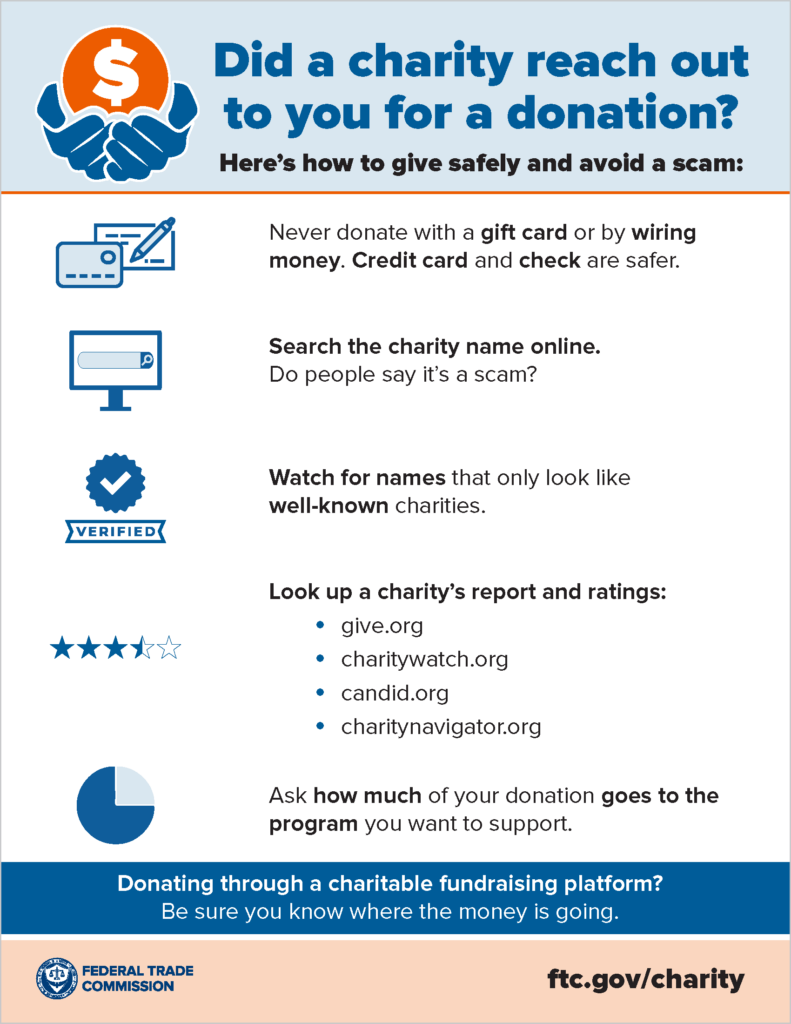
So, how can you protect yourself from falling victim to online charity scams? Here are some tips:
- Never respond to or open unsolicited emails claiming to be from charities. Be cautious of organizations that contact you out of the blue and ask for donations.
- Always donate directly through the charity’s official website. Avoid following links from emails or other sources, as these may lead to malicious websites.
- Verify the charity’s legitimacy by contacting them directly using a local phone number. Legitimate charities should have a physical address and be able to provide you with information about their mission and activities.
- Be cautious of organizations with names similar to those of well-known charities. Scammers often create fake charities that mimic real ones, so do your research before donating.
- Never share personal information, such as your Social Security number or medical insurance card. Keep this sensitive information private, and never give it out to someone you don’t know.
Red Flags
Here are some red flags to watch out for when dealing with online charity scams:
- Urgency: Scammers often try to create a sense of urgency, claiming that donations must be made immediately or that the charity will close its doors if more money isn’t raised.
- Poor grammar and spelling: Legitimate charities usually have professional websites and communications, so be wary of organizations with poor grammar and spelling.
- Lack of transparency: Scammers often fail to provide clear information about their mission, activities, and finances, so do your research before donating.
What to Do If You’ve Been Scammed
If you think you’ve fallen victim to an online charity scam, don’t panic. Contacting the authorities and seeking help can be a crucial step in recovering your stolen funds.
- Report the scam to the Federal Trade Commission (FTC): The FTC is responsible for protecting consumers from scams, including online charity scams.
- Contact your bank or credit card company: If you’ve made a donation using a credit card or debit card, contact your bank or credit card company immediately to report the scam and request a refund.
- Seek help from a financial advisor or lawyer specializing in cybercrime: These professionals can provide guidance on how to recover your stolen funds and prevent future scams.
By staying vigilant and taking the necessary precautions, we can protect ourselves from falling prey to these cunning scammers.
Frequently Asked Questions
- Q: How do I know if a charity is legitimate?
A: Research the charity’s reputation online and contact them directly using a local phone number. - Q: What should I do if I receive an unsolicited email claiming to be from a charity?
A: Never respond or open the email. Instead, mark it as spam and report it to the relevant authorities. - Q: Can I trust online charities that use social media to solicit donations?
A: No, these scammers often create fake profiles and share misleading information to deceive donors. - Q: How do I recover my stolen funds if I’ve been scammed by an online charity?
A: Contact the authorities immediately and seek help from a financial advisor or a lawyer specializing in cybercrime. - Q: Can I report online charity scams to Google?
A: Yes, you can report suspicious websites or emails directly to Google using their reporting tool. - Q: How do scammers use social media to deceive people into donating money?
A: They create fake profiles, share misleading information, and use hashtags to make their scam appear more legitimate. - Q: Can I donate online without falling victim to a charity scam?
A: Yes, by following the tips outlined above and being cautious when using social media and email to research charities.


