
As we enjoy the sun’s warm rays, it’s essential to remember that our skin is susceptible to damage from UVA and UVB rays. These harmful radiation can lead to painful sunburns, premature aging, and even increase the risk of skin cancer.
In this article, we’ll explore the importance of protecting your skin from UVA and UVB rays, especially for children, and provide tips on how to do so naturally. We’ll also delve into the benefits of natural sunblocks, hair protection, and face care, as well as specific guidance for individuals with conditions like vitiligo, eczema, or mucositis.
Protecting Your Children from the Sun
Children are more susceptible to sun damage than adults because their skin is still developing. Before the age of 4, their skin’s natural defense system isn’t fully formed, making it crucial to use protective measures.
Here are some tips for protecting your children from the sun:
- Use sunscreens with SPF 50 or higher that are water-resistant and sweat-proof.
- Choose sunscreens specifically designed for children, which typically have a thicker, paste-like consistency and are less likely to cause skin irritation.
- Opt for physical sunblocks, such as mineral-based creams or sprays, which contain zinc oxide or titanium dioxide. These products create a physical barrier that reflects UV rays away from the skin.
- Apply sunscreen liberally 15-30 minutes before going outside and reapply every two hours or immediately after swimming or sweating.
It’s also essential to teach your children how to protect their skin naturally:
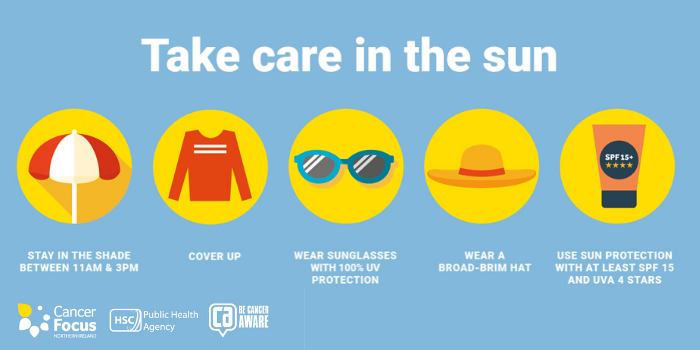
- Encourage them to wear clothing that covers their skin, such as long-sleeved shirts, pants, and a wide-brimmed hat.
- Suggest they use natural sunblocks like aloe vera, green tea, or grape seed extract, which can help protect the skin from UV damage.
Protecting Your Skin Naturally
In addition to using protective measures for your children, it’s also essential to protect yourself naturally. Here are some tips:
- Wear clothing that covers your skin, such as long-sleeved shirts, pants, and a wide-brimmed hat.
- Use natural sunblocks like aloe vera, green tea, or grape seed extract, which can help protect the skin from UV damage.
- Avoid peak sun hours (10am-4pm) when the sun’s rays are strongest.
You can also use natural products to nourish and moisturize your skin:
- Apply coconut oil or argan oil after showering or bathing to lock in moisture.
- Use avocado oil or olive oil as a face mask to soothe and hydrate your skin.
Protecting Your Hair from the Sun
Just like your skin, your hair can also be damaged by UV rays. Here are some tips for protecting your hair:
- Wear a hat or use a hair sunscreen to protect your hair from direct sunlight.
- Use natural products like coconut oil, argan oil, avocado oil, or olive oil to nourish and protect your hair.
- Avoid using heat styling tools or chemical treatments that can further damage your hair.
You can also try some DIY methods to protect your hair:
- Mix equal parts coconut oil and lemon juice as a pre-shampoo treatment to protect your hair from UV damage.
- Apply aloe vera gel to the ends of your hair after washing to lock in moisture and protect against UV damage.
Protecting Your Face from Sun Damage
If you have sensitive skin, it’s essential to take extra precautions when protecting your face from the sun. Here are some tips:
- Use a broad-spectrum sunscreen with SPF 50 or higher and apply it regularly throughout the day.
- Wear a hat or use a facial sunscreen to protect your face from direct sunlight.
- Avoid using harsh skincare products that can further irritate your skin.
You can also try some natural remedies to soothe and hydrate your skin:
- Apply cooled green tea compresses to reduce redness and inflammation.
- Use aloe vera gel as a spot treatment for sunburns or irritated skin.
Protecting Your Skin in Case of Vitiligo, Eczema, or Mucositis
If you have conditions like vitiligo, eczema, or mucositis, it’s essential to take extra precautions when protecting your skin from the sun. Here are some tips:
- Use broad-spectrum sunscreens with SPF 50 or higher and apply them regularly throughout the day.
- Wear protective clothing that covers your skin, such as long-sleeved shirts and pants.
- Avoid spending too much time in the sun, especially during peak hours.
You can also try some natural remedies to soothe and hydrate your skin:
- Apply cooled cucumber slices to reduce inflammation and itching.
- Use aloe vera gel as a moisturizer to lock in moisture and protect against UV damage.
Benefits of Natural Sunblocks
Natural sunblocks offer several benefits over traditional chemical-based sunscreens. Here are some advantages of using natural sunblocks:
- Fewer chemicals: Natural sunblocks typically contain fewer harsh chemicals, making them a better choice for sensitive skin.
- Better absorption: Natural ingredients like zinc oxide and titanium dioxide can be more easily absorbed into the skin, providing longer-lasting protection.
- Soothing properties: Many natural sunblocks have soothing properties that can help calm irritated skin.
Some popular natural sunblocks include:
- Zinc oxide-based creams or sprays
- Titanium dioxide-based creams or sprays
- Mineral-based sunscreens with SPF 50 or higher
Conclusion
Protecting yourself from UVA and UVB rays is crucial for maintaining healthy, glowing skin. By following these natural tips, you can safeguard your skin from damage caused by the sun’s harmful radiation.
Remember to always consult with a dermatologist or healthcare professional before starting any new skincare routine, especially if you have sensitive skin or allergies.
Frequently Asked Questions
- Q: What is UVA and UVB radiation?
A: UVA and UVB radiation are types of ultraviolet light emitted by the sun. UVA rays penetrate deeper into the skin, causing premature aging, while UVB rays cause sunburns and increase the risk of skin cancer. - Q: How do I protect my children from the sun?
A: Use sunscreens with SPF 50 or higher that are water-resistant and sweat-proof. Choose physical sunblocks like mineral-based creams or sprays, and apply sunscreen liberally before going outside. - Q: Can I use regular adult sunscreen on my child?
A: No, it’s best to use a sunscreen specifically designed for children, which is thicker and less likely to cause skin irritation. - Q: What are some natural ways to protect my hair from the sun?
A: Use coconut oil, argan oil, avocado oil, or olive oil to nourish and protect your hair. Wear a hat or use a hair sunscreen when going outside. - Q: How can I protect my skin in case of vitiligo, eczema, or mucositis?
A: Use broad-spectrum sunscreens with SPF 50 or higher and apply them regularly throughout the day. Wear protective clothing that covers your skin, and avoid spending too much time in the sun. - Q: Can I use regular sunscreen on people with sensitive skin?
A: No, it’s best to use a fragrance-free, hypoallergenic sunscreen specifically designed for sensitive skin. - Q: How often should I apply sunscreen?
A: Apply sunscreen liberally 15-30 minutes before going outside and reapply every two hours or immediately after swimming or sweating. - Q: Can I get vitamin D from the sun?
A: Yes, but be sure to use protective measures like sunscreen and clothing to avoid excessive UV exposure.
By following these tips and being mindful of your skin’s needs, you can enjoy the sun safely and maintain healthy, glowing skin.


