
As individuals, we often take for granted the natural resources that sustain our daily lives. However, with the growing concern of climate change and environmental degradation, it’s essential to understand the impact of our actions on the planet. In this article, we’ll explore the concept of ecological footprint, its calculation, and how you can make a positive change in your lifestyle.
What is Ecological Footprint?
Ecological footprint refers to the amount of natural resources consumed by an individual or population over time. It’s a measure of our impact on the environment, considering factors such as food production, transportation, energy consumption, and waste management. In essence, it’s an indicator of how much “room” we need on Earth to sustain ourselves.
Calculating Your Ecological Footprint
The Global Footprint Network has developed an online application that calculates your ecological footprint based on various parameters, including:
- Area required for food production
- Energy needed for transportation
- Materials needed for consumption (e.g., clothing, electronics)
- Recycling habits
- Food origin
- Household energy and gas usage
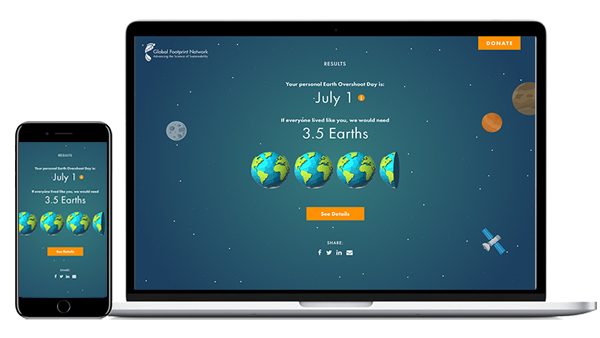
By answering a few questions, you’ll get an estimate of how many “Earth’s” worth of resources are needed to sustain your lifestyle.
The Results: A Personal Perspective
As someone who has calculated their ecological footprint, I can attest that it’s eye-opening. The results show that we’d need approximately two Earths to support our current lifestyles. This highlights the importance of making conscious choices and reducing our environmental impact.
Variability in Parameters: Identifying Sensitive Areas
To better understand which aspects of our lifestyle have the most significant environmental impact, I experimented with varying parameters. My findings suggest that air travel is a major contributor to our ecological footprint, followed by food production and consumption patterns.
A Brief History: The Concept Evolves
The concept of ecological footprint was first introduced in 1996 by Mathis Wackernagel and William Rees. Their work has been instrumental in raising awareness about the need for sustainable practices and reducing human impact on the environment.
Regional Comparison: A Mapped Approach
A map of countries by ecological footprint is available, showcasing regions with higher or lower environmental impacts. While some areas may appear to be more environmentally friendly, it’s essential to note that data can be outdated, and future growth in other regions should not be ignored.
Stay Informed and Engaged: Resources for Sustainability
To stay up-to-date on environmental topics and sustainability initiatives, consider subscribing to IdeeGreen’s newsletter. Additionally, follow me on Google Plus, Twitter, and Facebook to receive updates on my articles and projects related to sustainability.
Conclusion: Taking Action Towards a Sustainable Future
Understanding our ecological footprint is just the first step towards making a positive impact on the environment. By adopting sustainable practices, reducing waste, and promoting eco-friendly habits, we can work together to create a more environmentally conscious society.
Frequently Asked Questions (FAQs)
- Q: What is the Global Footprint Network?
A: The Global Footprint Network is an organization that calculates ecological footprints for individuals, businesses, and governments. - Q: How accurate is the online application?
A: The accuracy of the results depends on the input provided by the user; however, the application uses a standardized methodology to ensure consistency. - Q: Can I calculate my ecological footprint if I’m not in the United States?
A: Yes, the Global Footprint Network’s online application allows users from various countries to calculate their ecological footprint. - Q: What are some simple ways to reduce my ecological footprint?
A: Some easy changes include reducing meat consumption, using public transportation or walking, and recycling more. - Q: Can I use the Global Footprint Network’s data for personal projects?
A: Yes, the organization provides various resources and tools for users to calculate their own ecological footprints and track progress over time. - Q: How often should I update my ecological footprint calculation?
A: It’s recommended to recalculate your ecological footprint periodically to monitor changes in your lifestyle and make adjustments as needed. - Q: Can I use the data to compare countries or regions?
A: Yes, the Global Footprint Network provides maps and data that allow users to compare ecological footprints across different countries and regions. - Q: What resources are available for further education on sustainability?
A: There are numerous online courses, books, and organizations dedicated to providing information on sustainable practices and environmental issues.
Real-World Implications of Ecological Footprint
Calculating your ecological footprint can have significant real-world implications. For instance:
- Reducing air travel by just 50% would save an estimated 10 million barrels of oil per year.
- Increasing recycling rates from 10% to 50% could save over 1 billion tons of CO2 emissions annually.
Individual vs. Collective Impact
While individual actions may seem insignificant, collective efforts can lead to substantial positive change. By understanding our ecological footprint and working together towards sustainability goals, we can:
- Reduce greenhouse gas emissions
- Conserve natural resources
- Promote sustainable consumption patterns
The Future of Ecological Footprint: Emerging Trends and Technologies
As technology advances and societal attitudes shift, the concept of ecological footprint is evolving. Some emerging trends and technologies include:
- Carbon pricing: governments are implementing carbon pricing mechanisms to incentivize sustainable practices.
- Sustainable agriculture: innovative agricultural methods can reduce resource consumption while increasing yields.
- Renewable energy: widespread adoption of renewable energy sources can significantly decrease our reliance on fossil fuels.
Case Studies: Successful Implementation of Sustainable Practices
Real-world examples demonstrate the effectiveness of implementing sustainable practices:
- Costa Rica’s carbon neutrality: Costa Rica aims to be carbon neutral by 2050 through a combination of reforestation, renewable energy, and sustainable land use.
- Sweden’s waste management system: Sweden has implemented a comprehensive recycling program, reducing waste from 2% to less than 1% of municipal solid waste.
Conclusion: A Call to Action
Understanding our ecological footprint is just the first step towards creating a more sustainable future. By adopting eco-friendly habits, promoting sustainable consumption patterns, and supporting policies that address climate change, we can work together to reduce our environmental impact.
As individuals, communities, and governments, it’s time to take action. We must acknowledge our role in shaping the future of our planet and strive towards creating a world where human well-being and environmental sustainability coexist in harmony.
Final Thoughts
The concept of ecological footprint is an empowering tool for understanding our relationship with the environment. By embracing this knowledge and working together, we can:
- Reduce waste: decrease consumption patterns
- Promote sustainable agriculture: improve crop yields while minimizing resource use
- Support renewable energy: transition to cleaner sources of energy
Together, we can create a brighter future for ourselves and generations to come.
Ecological Footprint: A Framework for Action
To make the most of this knowledge, consider implementing the following strategies:
- Conduct regular ecological footprint calculations to monitor progress
- Implement sustainable transportation options (e.g., public transit, carpooling)
- Adopt environmentally friendly consumption patterns (e.g., reduce meat consumption, choose eco-friendly products)
- Support policies and initiatives that promote sustainability and environmental protection
By embracing this framework, we can foster a culture of sustainability, driving positive change in our personal lives and contributing to a better future for all.
The Power of Collective Action
While individual actions are essential, collective efforts can lead to transformative change. As communities come together to address climate change and environmental degradation, we:
- Amplify impact: amplify the effects of our individual actions
- Create systemic change: drive policy changes that support sustainable development
- Foster a sense of community: build resilience and promote environmental awareness
Join the Movement: A Call to Action
We invite you to join us in this journey towards sustainability. Together, we can:
- Reduce our ecological footprint
- Promote environmentally friendly practices
- Create a better future for all
Let’s work together to create a world where human well-being and environmental sustainability coexist in harmony.


