
Muscle cramps are sudden, involuntary contractions of muscles that can be painful and uncomfortable. They can occur in anyone, regardless of age, and are more common during the summer months due to excessive sweating. However, muscle cramps can occur at any time, and it’s essential to understand their causes to prevent them.
Understanding Muscle Cramps
Muscle cramps are caused by a complex interplay between various factors, including muscle imbalances, electrolyte imbalances, dehydration, and underlying medical conditions. They can be classified into two main types: primary and secondary.
- Primary muscle cramps are the most common type and occur without any underlying medical condition.
- Secondary muscle cramps are caused by an underlying medical condition or injury.
What Causes Muscle Cramps?
Muscle cramps can be caused by various factors, including:
- Dehydration: When the body loses too much water, it can lead to electrolyte imbalances, which can cause muscle cramps.
- Excessive sweating: Sweating can lead to dehydration and electrolyte imbalances.
- Prolonged periods of physical activity or work: Engaging in prolonged periods of physical activity or work can lead to muscle fatigue, which can increase the risk of muscle cramps.
- Maintaining a specific posture for an extended period: Maintaining a specific posture for an extended period can lead to muscle imbalances and tension, which can cause muscle cramps.
- Taking certain medications: Certain medications, such as diuretics, can increase the risk of muscle cramps.
In some cases, muscle cramps can be a symptom of underlying medical conditions, such as:
- Nerve compression in the lower back: Nerve compression in the lower back can cause muscle cramps.
- Muscle disorders: Muscle disorders can lead to muscle cramps.
- Peripheral artery disease: Peripheral artery disease can cause muscle cramps.
- Neurological diseases: Neurological diseases, such as Parkinson’s disease, can cause muscle cramps.
- Deficiencies in essential nutrients like potassium, calcium, and magnesium: Deficiencies in these nutrients can increase the risk of muscle cramps.
Preventing Muscle Cramps
While muscle cramps can be uncomfortable, there are several ways to prevent them. Here are some tips:
- Stay hydrated: Drink plenty of water throughout the day, especially during hot weather or physical activity.
- Avoid sedentary behavior: Regular exercise and physical activity can help improve circulation and reduce muscle tension.
- Replenish electrolytes: After exercising, consume foods rich in potassium, calcium, and magnesium to replenish lost electrolytes.
- Stretch regularly: Engage in stretching exercises before and after physical activity to maintain flexibility and prevent muscle strain.
- Wear comfortable clothing: Choose breathable, moisture-wicking clothing to help regulate body temperature.
Nutritional Supplements
Certain nutritional supplements can help alleviate muscle cramps. Some popular options include:
- Carnidyn Fast: A supplement designed for athletes and individuals with high physical demands. It contains potassium, calcium, and magnesium.
- Potassium-rich foods like bananas, spinach, and avocados
- Calcium-fortified beverages or supplements
- Magnesium-rich foods like dark leafy greens, nuts, and seeds
Managing Muscle Cramps
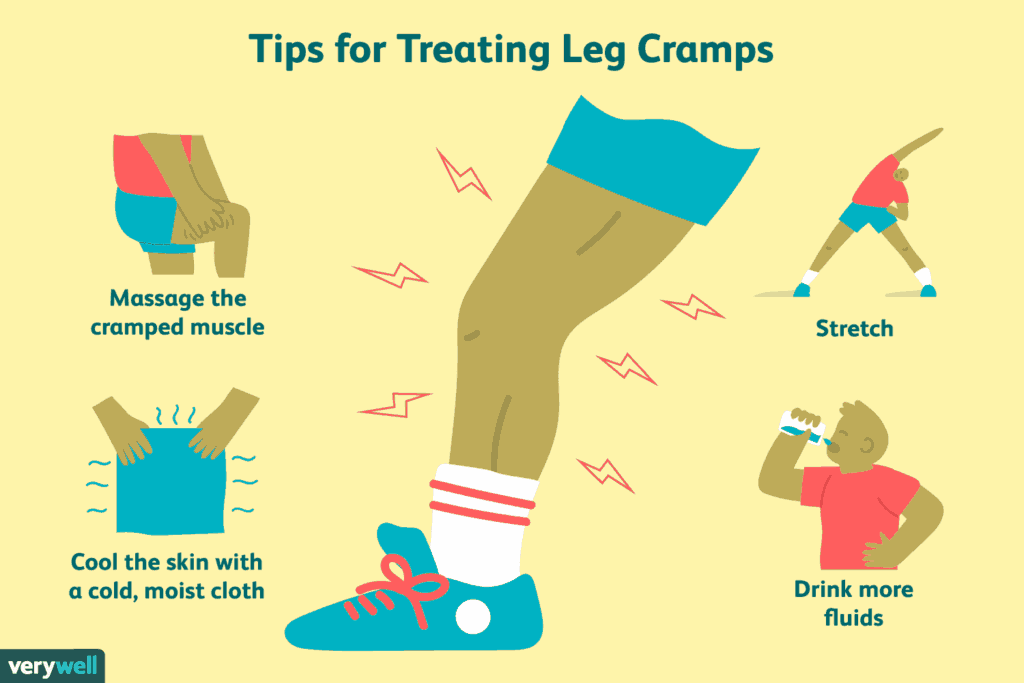
When a muscle cramp occurs, it’s essential to manage the symptoms effectively. Here are some tips:
- Stop activity: If you’re experiencing a muscle cramp during physical activity, stop immediately and rest.
- Massage: Gently massage the affected area to help relax the muscles.
- Apply heat or cold: Use a warm or cold compress to reduce muscle tension and alleviate pain.
Conclusion
Muscle cramps can be uncomfortable and debilitating, but understanding their causes and taking preventive measures can help alleviate symptoms. By staying hydrated, avoiding sedentary behavior, replenishing electrolytes, stretching regularly, and wearing comfortable clothing, you can reduce the risk of muscle cramps. Additionally, incorporating nutritional supplements like Carnidyn Fast and other potassium-rich foods into your diet can provide essential nutrients to maintain optimal muscle function.
Frequently Asked Questions
- Q: Can I prevent muscle cramps by drinking more water?
A: Yes, staying hydrated is an effective way to prevent muscle cramps. - Q: How often should I take Carnidyn Fast?
A: Follow the recommended dosage on the label and consult with a healthcare professional if needed. - Q: What are some natural remedies for muscle cramps?
A: Some natural remedies include stretching, massage, and applying heat or cold compresses to the affected area. - Q: Can I take Carnidyn Fast during pregnancy or breastfeeding?
A: Consult with a healthcare professional before taking any supplements during pregnancy or breastfeeding. - Q: How long does it typically take for muscle cramps to resolve on their own?
A: Muscle cramps can resolve on their own within minutes, but some cases may persist for longer periods. - Q: Are muscle cramps a sign of an underlying medical condition?
A: Yes, in some cases, muscle cramps can be a symptom of underlying medical conditions like nerve compression or muscle disorders. - Q: Can I prevent muscle cramps by exercising regularly?
A: Regular exercise can help improve circulation and reduce muscle tension, but it’s essential to listen to your body and take regular breaks. - Q: What are some common triggers for muscle cramps?
A: Common triggers include dehydration, excessive sweating, prolonged physical activity or work, and maintaining a specific posture for an extended period.
By understanding the causes of muscle cramps and taking preventive measures, you can reduce your risk of experiencing these uncomfortable symptoms.


