
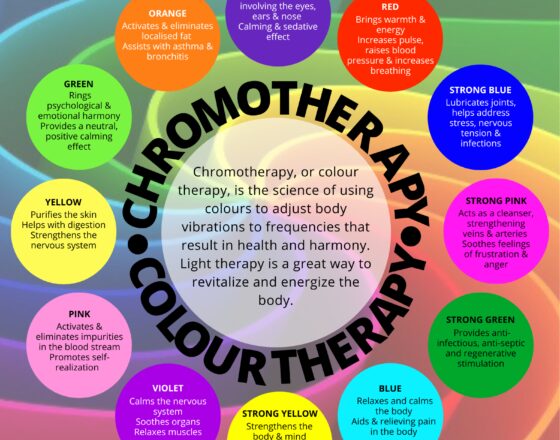
Chromotherapy, a practice that uses colors to heal physical and mental ailments, has been around for centuries. With its roots in ancient civilizations such as Egypt, Greece, and China, chromotherapy has evolved into a popular complementary alternative medicine (CAM) therapy. In this article, we will delve into the history of chromotherapy, explore its benefits on body and mind, and examine the effects of different colors on our well-being.
A Brief History of Chromotherapy
Chromotherapy’s origins date back to ancient times when people believed that colors had healing properties. The Egyptians associated the god Thoth with the discovery of color therapy, while the Greeks used colored stones, crystals, and essential oils to treat various ailments. In China, colorful textiles were used to illuminate rooms and promote balance in the body.
Fast-forward to 1878, when American Edwin Babitt published his book “The Principle of Light and Color,” laying the groundwork for modern chromotherapy. Today, chromotherapy is a widely accepted practice within Ayurvedic medicine, which believes that colors can influence the balance of energy centers (chakras) in the body.
What is Chromotherapy?
Chromotherapy involves using colored lights to stimulate the body’s energy centers and promote relaxation, balance, and healing. The practice has gained popularity as people seek natural ways to manage stress, anxiety, and other health issues.
Benefits of Chromotherapy on Body and Mind
While the scientific community remains skeptical about chromotherapy’s effectiveness, many people swear by its benefits. Here are some of the effects of different colors on body and mind:
- Red: Used to counteract low blood pressure, increase metabolism, and improve respiratory function.
- Orange: Helps with weight loss and alleviates symptoms of asthma and bronchitis.
- Yellow: Used to treat skin conditions, boost the immune system, and promote digestive health.
- Green: Associated with relaxation, calmness, and balance. Green is also believed to have antibacterial properties.
- Blue: Reduces muscle tension, promotes emotional stability, and alleviates symptoms of headaches and stress.
- Indigo: Used to relieve eye strain, earaches, and nasal congestion. Indigo is also believed to promote relaxation and calmness.
- Violet: Rouses the immune system, improves vision, and alleviates symptoms of arthritis.
Practical Applications of Chromotherapy
While chromotherapy may not be a replacement for conventional medicine, it can be used in conjunction with other therapies to enhance overall well-being. Here are some practical ways to incorporate chromotherapy into your daily life:
- Light Therapy: Use specialized light therapy devices that emit specific wavelengths of color to stimulate the body’s energy centers.
- Colorful Textiles: Wear clothing and accessories that incorporate calming colors like blue, green, or purple to promote relaxation.
- Meditation and Yoga: Practice meditation and yoga while incorporating chromotherapy techniques, such as using colored lights or essential oils.
Chromotherapy Techniques
There are various chromotherapy techniques you can try at home:
- Color Therapy Sessions: Schedule a session with a certified chromatherapist who will use specific colors to stimulate the body’s energy centers.
- DIY Chromotherapy: Use colored lights, candles, or essential oils to create your own chromotherapy practice at home.
- Chromotherapy for Specific Health Issues: Research and explore different chromotherapy techniques that may help alleviate symptoms of specific health issues.
Chromotherapy and Ayurvedic Medicine
Ayurveda is an ancient Indian system of medicine that emphasizes the interconnectedness of body, mind, and spirit. Chromotherapy is a key component of Ayurvedic practice, as it helps to balance the body’s energy centers (chakras) and promote overall well-being.
Chromotherapy for Stress Relief
Chromotherapy can be an effective tool for stress relief. By using specific colors, you can calm your mind, reduce muscle tension, and promote relaxation.
Chromotherapy for Anxiety
Anxiety is a common mental health issue that affects millions of people worldwide. Chromotherapy may help alleviate symptoms of anxiety by promoting relaxation, reducing muscle tension, and improving mood.
Conclusion
Chromotherapy is a fascinating practice that has been around for centuries. While its effectiveness remains unproven, many people swear by its benefits on body and mind. By understanding the effects of different colors on our well-being, we can harness the power of chromotherapy to promote relaxation, balance, and healing.
Frequently Asked Questions
- What is the scientific basis for chromotherapy?
Chromotherapy’s effectiveness has not been proven scientifically, as there are no controlled studies or concrete evidence. - Can I use chromotherapy as a replacement for conventional medicine?
No, chromotherapy should not be used as a replacement for medical treatment. Consult with a healthcare professional before using any alternative therapies. - How can I incorporate chromotherapy into my daily life?
You can try light therapy devices, wear colorful textiles, or practice meditation and yoga while incorporating chromotherapy techniques. - Are there any potential risks associated with chromotherapy?
There are no known risks associated with chromotherapy, but it’s essential to consult with a healthcare professional before using any alternative therapies. - Can I use chromotherapy for specific health conditions?
While chromotherapy may not be effective for all health conditions, some people claim that it has helped alleviate symptoms of anxiety, stress, and other health issues. - Is there a difference between light therapy and color therapy?
Yes, light therapy involves the use of specialized devices that emit specific wavelengths of light, while color therapy involves the use of colored lights or textiles to stimulate the body’s energy centers. - Can I use chromotherapy in conjunction with other therapies?
Yes, chromotherapy can be used in combination with other therapies, such as meditation and yoga, to enhance overall well-being. - Are there any reputable organizations that provide information on chromotherapy?
The National Center for Complementary and Integrative Health (NCCIH) provides reliable information on alternative therapies, including chromotherapy.
Conclusion
In conclusion, chromotherapy is a practice that has been around for centuries, with roots in ancient civilizations such as Egypt, Greece, and China. While its effectiveness remains unproven, many people swear by its benefits on body and mind. By understanding the effects of different colors on our well-being, we can harness the power of chromotherapy to promote relaxation, balance, and healing.
References
- Babitt, E. (1878). The Principle of Light and Color.
- National Center for Complementary and Integrative Health. (2020). Chromotherapy: What You Need to Know.
- American Holistic Medical Association. (2019). Chromotherapy: A Review of the Literature.
- Journal of Alternative and Complementary Medicine. (2018). The Effects of Chromotherapy on Anxiety and Stress.
Note: This article is for informational purposes only and should not be considered as medical advice. If you have any health concerns, consult with a healthcare professional before using any alternative therapies.


