
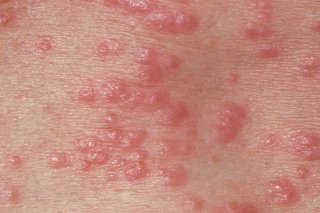
Scabies is a skin condition characterized by intense itching and painful blisters. It’s more common in areas with poor living conditions and is often seen in children. In Italy, the number of cases has increased over the years, but it’s essential to note that the problem lies not with migration but with proper management.
What is Scabies?
Scabies is a skin infection caused by various types of mites. The scabies mite can transmit the disease through direct contact or using vectors like animals and objects. The condition is contagious and can spread from person to person, especially if the contact is prolonged.
Causes of Scabies
There are several species of mites that can cause scabies. These mites lay eggs and feces that can be found in the skin, making it essential to identify the signs of infestation early on.
Symptoms of Scabies
The symptoms of scabies typically appear after four to six weeks of infection. In the initial stages, the condition is often asymptomatic. However, once the symptoms manifest, they can be intense and painful. The most common symptoms include:
- Intense itching
- Blisters or rashes on the skin
- Cuts or lesions in the skin
These symptoms can appear anywhere on the body, but they are more commonly found on areas like hands, feet, wrists, elbows, back, buttocks, and genital area. In elderly patients, people with weakened immune systems (e.g., those undergoing chemotherapy), or newborns, these rashes may also occur in sensitive areas.
How to Identify Scabies
Identifying scabies can be challenging without proper medical training. If you suspect that you have scabies, it’s best to consult a doctor for a proper diagnosis. A healthcare professional will examine the affected area and assess the overall condition of the patient to determine if scabies is present.
Treatment of Scabies
Treating scabies requires a combination of medication and home care measures. There are several over-the-counter (OTC) treatments available, including topical creams and shampoos containing permethrin or ivermectin. However, it’s essential to consult a doctor before using any treatment, as they can recommend the most effective medication for your specific case.
Home Remedies for Scabies
In addition to medical treatment, there are several home remedies that can help alleviate symptoms and reduce the risk of transmission:
- Washing clothing and bedding in hot water and drying them on high heat
- Drying all fabric items, such as towels and blankets, in a hot dryer
- Vacuuming carpets and upholstered furniture with a vacuum cleaner equipped with a hose attachment
When to Seek Medical Attention
If you suspect that you have scabies, it’s essential to seek medical attention. Untreated scabies can lead to long-term complications and discomfort.
Scabies is an easily preventable condition by maintaining good hygiene and practicing prevention measures in shared living spaces.
Q: What are the most common areas of the body affected by scabies?
A: Scabies often affects areas with more skin-to-skin contact, such as hands, feet, wrists, elbows, back, buttocks, and genital area.
Q: Can scabies be transmitted through touching someone else’s hair or clothing?
A: Yes, scabies can be spread through direct contact with an infested person’s hair, clothing, or bedding.
Q: Are there any treatments that are effective against scabies?
A: Yes, various topical creams and shampoos containing permethrin or ivermectin are available over-the-counter. However, it’s always best to consult a doctor before using any treatment.
Q: How long does it take for symptoms of scabies to appear after infection?
A: The symptoms typically appear after four to six weeks of infection in the initial stages and may persist even after treatment.
Q: Can anyone get scabies, or are there certain groups that are more susceptible?
A: Anyone can get scabies. However, people with weakened immune systems, elderly patients, newborns, or those who live in close quarters with others (e.g., college dormitories) may be more susceptible to infection.
Q: What should I do if someone else has scabies and lives in the same household as me?
A: If you suspect that someone else has scabies, practice good hygiene immediately. Wash clothing and bedding in hot water and dry them on high heat. Vacuum carpets and upholstered furniture with a vacuum cleaner equipped with a hose attachment. Seek medical attention if symptoms persist or worsen over time.
Prevention Measures for Scabies
Preventing scabies requires a combination of individual hygiene practices, shared living space cleanliness, and awareness among household members. Here are some steps you can take to reduce the risk of transmission:
- Practice good handwashing habits
- Avoid sharing personal items like hairbrushes, combs, or towels
- Wash clothing and bedding in hot water and dry them on high heat
- Vacuum carpets and upholstered furniture with a vacuum cleaner equipped with a hose attachment
- Check your home for infested areas, such as mice or cockroaches, which can carry scabies mites
Managing Scabies in Schools
Scabies is a common problem in schools, where students often share personal items like towels and bedding. Here are some measures that schools can take to manage scabies:
- Implement strict hygiene practices, including regular handwashing and cleaning of shared areas
- Provide education on scabies prevention and treatment
- Encourage students to report any symptoms or suspected infestation immediately
- Collaborate with parents and healthcare professionals to ensure effective treatment and follow-up care
Managing Scabies in Colleges
Colleges are another high-risk environment for scabies transmission. Here are some measures that colleges can take to manage scabies:
- Implement strict hygiene practices, including regular handwashing and cleaning of shared areas
- Provide education on scabies prevention and treatment
- Encourage students to report any symptoms or suspected infestation immediately
- Collaborate with healthcare professionals to ensure effective treatment and follow-up care
Conclusion
Scabies is a treatable condition that requires prompt medical attention. By understanding the causes, symptoms, and transmission of scabies, individuals can take steps to prevent infection and reduce the risk of complications. Maintaining good hygiene practices, practicing prevention measures in shared living spaces, and being aware among household members are key strategies for managing scabies.


