
Understanding Tension Headache: Symptoms, Causes, and Treatment Options
Tension headaches are the most common type of headache, affecting a significant portion of the population at some point in their lives. While it’s difficult to estimate the exact prevalence, it’s clear that many people experience tension headaches, either occasionally or frequently.
In this article, we’ll delve into the symptoms, causes, and treatment options for tension headaches, providing you with a comprehensive understanding of this common condition.
What are Tension Headaches?
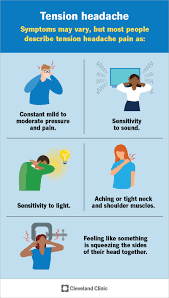
Tension headaches are characterized by a “dull ache” or pressure sensation on both sides of the head, often in the forehead area. These headaches can last from a few hours to several days and are typically accompanied by sensitivity to light and sound. In many cases, tension headaches do not interfere with daily activities, such as work or exercise.
What Causes Tension Headaches?
While the exact causes of tension headaches are still unclear, research suggests that multiple factors contribute to their development. These include:
- Emotional stress: Anxiety, depression, and emotional overwhelm can trigger tension headaches.
- Physical tension: Muscle strain in the neck and scalp can lead to tension headaches.
- Eye strain: Prolonged use of computers, smartphones, or other digital devices can cause eye fatigue, leading to tension headaches.
- Lifestyle factors: Poor sleep habits, lack of exercise, and an unhealthy diet can contribute to tension headaches.
- Genetic predisposition: Some people may be more prone to developing tension headaches due to their genetic makeup.
Symptoms of Tension Headaches
Tension headaches are often described as a dull ache or pressure sensation on both sides of the head. Other symptoms may include:
- Sensitivity to light and sound
- Difficulty concentrating or focusing
- Dizziness or lightheadedness
- Fatigue or exhaustion
Treatment Options for Tension Headaches
While there is no cure for tension headaches, various treatment options can help alleviate symptoms. These include:
- Lifestyle changes: Regular exercise, a balanced diet, and adequate sleep can help reduce the frequency and severity of tension headaches.
- Relaxation techniques: Stress-reducing activities like meditation, deep breathing, or yoga can help manage stress and anxiety.
- Massage therapy: Massaging the neck and scalp can help relax tense muscles and improve blood flow.
- Over-the-counter pain relievers: Medications like ibuprofen or acetaminophen can help alleviate headache symptoms.
- Prescription medications: In some cases, prescription medication may be necessary to manage chronic tension headaches.
When to Seek Medical Attention
If you experience frequent or severe tension headaches, it’s essential to consult with your healthcare provider. They can help determine the underlying cause of your headaches and develop a treatment plan tailored to your needs.
Natural Remedies for Tension Headaches
In addition to lifestyle changes and relaxation techniques, several natural remedies may help alleviate tension headache symptoms. These include:
- Herbal supplements: Feverfew, butterbur, and ginger have been shown to reduce headache frequency and severity.
- Acupuncture: This ancient practice involves inserting thin needles into specific points on the body to stimulate healing and relaxation.
- Aromatherapy: Essential oils like lavender and peppermint can help reduce stress and promote relaxation.
Prevention Strategies
While tension headaches cannot be completely eliminated, there are several prevention strategies that may help reduce their frequency and severity. These include:
- Stress management: Regular exercise, meditation, and yoga can help manage stress and anxiety.
- Eye care: Following the 20-20-20 rule (looking away from screens every 20 minutes for 20 seconds) can help reduce eye strain.
- Sleep habits: Establishing a consistent sleep schedule and creating a relaxing bedtime routine can help improve sleep quality.
When to Consult a Specialist
If you experience frequent or severe tension headaches, it’s essential to consult with your healthcare provider. They can help determine the underlying cause of your headaches and develop a treatment plan tailored to your needs. In some cases, specialists like neurologists or primary care physicians may be necessary to diagnose and treat tension headache disorders.
Conclusion
Tension headaches are a common condition that affects millions of people worldwide. While there is no cure for tension headaches, various treatment options can help alleviate symptoms. By understanding the causes and symptoms of tension headaches, individuals can take steps to prevent and manage their condition.


