
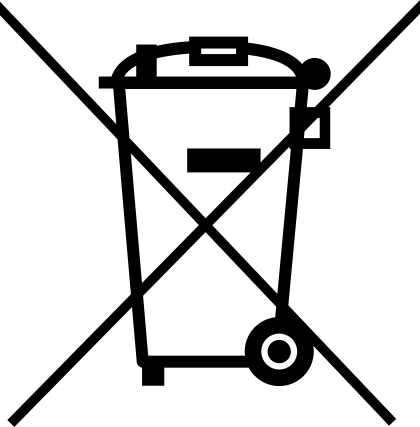
As we continue to increasingly rely on electronic devices, the generation of waste is becoming an ever-growing concern. In Italy, the collection of waste from electrical and electronic equipment (E-Waste) has been increasing at a rapid pace. According to data from ReMedia, one of the leading waste management consortia in the country, the total amount of E-Waste collected in 2013 surpassed 42,000 tons, a 2.9% increase from the previous year.
What’s in Your Trash?
The analysis of E-Waste that is being properly recycled reveals which products are most prevalent and which technologies require an upgrade. The case of fluorescent lighting, or “sorgenti luminose,” is a prime example. These devices have seen a 25% increase in waste accumulation since 2012, with 25 tons collected.
Fluorescent lighting has become an increasingly popular choice for its energy efficiency, but it also poses significant challenges when it comes to disposal. The high levels of mercury present in these devices make them hazardous if not handled properly. As a result, many Italian households and businesses are finding themselves overwhelmed by the sheer volume of waste they generate.
The Rise of LED Technology
The increased collection of E-Waste can be attributed to the growing popularity of energy-efficient technologies, particularly Light Emitting Diodes (LEDs). This shift towards more sustainable options has led to an expansion in the market for these devices. In Italy, the total amount of E-Waste collected from fluorescent lighting alone is a staggering 25 tons.
The widespread adoption of LED technology has had far-reaching consequences for the environment. These energy-efficient bulbs contain no mercury and are much less toxic than their traditional counterparts. However, this shift also poses significant challenges for waste management systems. The recycling infrastructure required to handle these devices effectively remains in its infancy, leaving many with limited options.
Family vs. Industry: The Battle for E-Waste
When it comes to E-Waste collection, family households dominate the scene, with 34,835 tons of domestic waste being collected in 2013. This is significantly more than the amount collected by industrial and public entities (2542 tons). Additionally, 4,260 tons of portable batteries were also collected during this time.
The disparity between household and industrial waste is a symptom of a larger issue – the lack of clear guidelines and regulations governing E-Waste management in Italy. While households are actively working to reduce their environmental footprint, businesses and industries continue to contribute significantly to the problem.
The Breakdown: Categories and Quantities
Looking at the broader categories, we see that:
- TVs and Monitors: 17,923 tons
- Consumer Electronics: 7,208 tons
- Computers and PCs: 7,093 tons
- Furniture and Appliances: 2,586 tons
These figures highlight the diversity of E-Waste generated in Italy. From consumer electronics to household items, each category poses unique challenges for waste management systems.
Regional Breakdown: Lombardy Leads the Pack
When it comes to regional breakdowns, we find that Lombardy takes the top spot with 7,303 tons of domestic E-Waste collected. This represents approximately 21% of the total amount collected nationwide.
The Emilia Romagna region follows closely behind with 3,581 tons, while the Veneto takes third place with 3,108 tons.
City-Level Analysis: Milan Takes the Lead
In terms of cities, we see that Milan tops the list as the city with the highest number of domestic E-Waste collected. This is followed by Rome and Naples.
Milan’s prominent position in the ranking can be attributed to its large population and high levels of consumer activity. However, this also underscores the need for increased waste management efforts at the local level.
Conclusion
The collection of E-Waste has become a pressing concern in Italy, with significant growth expected in the coming years. As we move forward, it’s essential to recognize both the challenges and opportunities that this presents.
As awareness and regulations continue to grow, we can expect significant strides forward in reducing waste output and increasing recycling rates. In the meantime, it’s crucial for individuals, businesses, and governments to work together towards a more sustainable future.
What does this mean for you?
Q: What can I do to reduce my E-Waste output?
A: Start by examining your current electronic devices and considering upgrading to energy-efficient alternatives or donating working units to those in need.
Q: How can individuals make a difference in E-Waste recycling efforts?
A: By choosing eco-friendly products, participating in community collection events, and advocating for better waste management policies.
Q: What role does industry play in E-Waste management?
A: Companies must prioritize sustainable practices throughout their production cycles and ensure proper disposal of end-of-life materials.
Q: Can technology alone solve the E-Waste problem?
A: While technology holds great promise, it is only one piece of the puzzle. Collaboration between governments, businesses, and consumers is necessary to address this pressing issue.
Q: What does the future hold for E-Waste recycling in Italy?
A: As awareness and regulations continue to grow, we can expect significant strides forward in reducing waste output and increasing recycling rates.
Q: How can I ensure that my electronic devices are being recycled responsibly?
A: Look for organizations and programs that prioritize safe disposal methods and opt-in recycling programs.


